


- 2025 Year in Review reveals the Charlie Kirk assassination was the year’s top trending news story.
- The historic 43-day government shutdown crippled federal services and drove record search traffic.
- January’s Los Angeles wildfires caused upwards of $57 billion in economic damage.
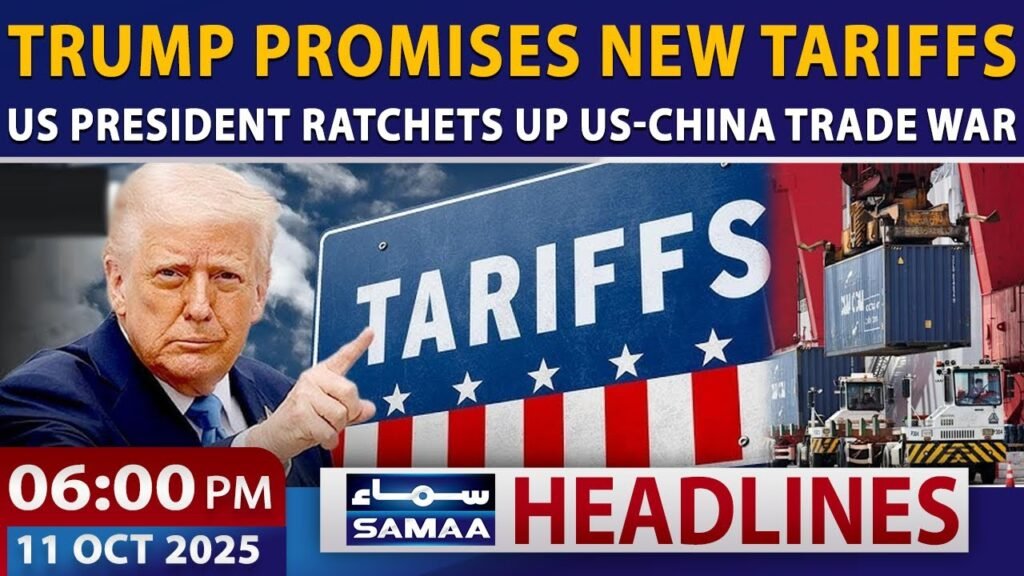
- Major shifts in trade policy and universal tariffs became a primary driver of economic anxiety.
As 2025 draws to a close, the digital footprint of the year reveals a society deeply entangled in political upheaval, environmental crises, and the rapid evolution of artificial intelligence. The “Year in Search” serves as a mirror to a nation navigating intense change, where the most-clicked stories were defined by a mix of sudden tragedies and systemic shifts that hit the American wallet and sense of safety directly.
The Viral Pulse: Top Trending Stories of 2025
According to Google Trends data from the past twelve months, the most searched news events in the United States included:
- The Assassination of Charlie Kirk: The fatal shooting of the Turning Point USA founder in September was the single most searched news story of the year. The event sparked a firestorm of debate regarding political violence and campus security, while his widow, Erika Kirk, became a top-trending figure as she stepped into the spotlight to lead his organization.
- The “One Big Beautiful Bill” Act & The 43-Day Shutdown: The legislative centerpiece of the second Trump administration—a sweeping $3.4 trillion funding and policy bill—became a focal point of intense public interest. Its path through Congress triggered a historic 43-day government shutdown, the longest in U.S. history, paralyzing federal services and leading to millions of searches regarding “furlough pay” and “National Park closures.”
- The January 2025 Los Angeles Wildfires: Driven by “hydroclimate whiplash,” the Palisades and Eaton fires became the most destructive in L.A. County history. Igniting in a month typically considered “safe,” the fires destroyed over 16,000 structures and caused estimated economic losses of up to $57 billion, making it one of the costliest disasters in California’s history.
- The 2025 Trade War and Universal Tariffs: Search interest spiked as President Trump utilized the International Emergency Economic Powers Act (IEEPA) to impose near-universal tariffs. The resulting “Trade War of 2025” saw import taxes on Mexican and Canadian goods jump to 25%, leading to immediate price fluctuations and a surge in consumer searches for “electronics price hikes” and “retaliatory tariffs.”
- The Rise of Gemini and DeepSeek: In the world of technology, Google’s own AI tool, Gemini, topped global trending searches, while the emergence of DeepSeek signaled a shift in the AI arms race.
Why These Stories Captured the National Attention
The dominance of these topics in Google’s search logs can be attributed to three primary factors: direct economic impact, unprecedented timing, and extreme polarization.
1. Direct Economic Anxiety and the “Bill”
The “One Big Beautiful Bill” (OBBBA) wasn’t just another piece of legislation; it was a fundamental restructuring of the American economy. Because it permanently extended the 2017 tax cuts while simultaneously slashing Medicaid and SNAP funding, it touched almost every demographic.
The ensuing 43-day government shutdown amplified this anxiety. When the government stops, the public turns to search engines to navigate the void—searching for everything from passport delays to when their specific agency would reopen. The economic stakes were personal, driving a persistent “high-intent” search volume that lasted for months.
2. Environmental “Whiplash” and Unprecedented Timing
The L.A. wildfires trended specifically because they defied historical expectations. Traditionally, January is a month of rain and recovery for Southern California. The “winter wildfire” phenomenon drove a 41% increase in virtual respiratory healthcare visits and millions of searches for air quality data.
The search volume was fueled by a mix of fear and utility. People were not just watching the news; they were using Google as a survival tool—looking for “real-time fire maps” and “PM2.5 masks.” The narrative of the “year-round fire season” became a primary cultural takeaway of 2025.
3. Political Tragedy and the Information Void
The assassination of Charlie Kirk represented a dark flashpoint in American political discourse. In the immediate aftermath of the shooting at Utah Valley University, search volume spiked as people sought to understand the “why” and “who.”
The arrest of suspect Tyler Robinson and the subsequent security failures at the campus provided a steady stream of updates that kept the story trending. This story sat at the intersection of political polarization and true crime, two of the most potent drivers of online engagement. It also highlighted a growing trend of “dehumanization” in digital spaces, where the event was analyzed and memed across platforms, further driving search traffic.
4. The “Tariff Tantrum” and Consumer Costs
When the “Liberation Day” tariffs were announced in April, the stock market tumbled, and search interest in “inflation” and “recession” reached levels not seen since the 2022 peak. Because the 2025 tariffs targeted close allies like Canada and Mexico, the story had a global reach. Consumers searched for “made in USA” alternatives and “pre-tariff sales,” turning a macro-economic policy into a micro-economic shopping strategy.
Analysis of the “Year in Search”
The 2025 roundup reveals that Americans are no longer passive consumers of news. The trending stories were those that required action or adaptation. Whether it was navigating a trade war, surviving a January wildfire, or understanding a radical new tax code, the most-googled stories of the year were those that forced a change in how Americans live, work, and vote.