


By Our Correspondent
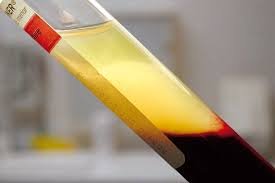
Islamabad: As the world use blood plasma therapy to treat Covid-19 patients, recovered Covid-19 patients in Pakistan find it a rare opportunity to make money by charging their plasma.
A bottle of plasma of recovered Covid-19 patient is selling in Pakistan for PKR 120,000 to PKR 200,000 across Pakistan (USD $750-$1250), Islamabad Telegraph has learnt.
In Pakistan’s big cities, the blood business is booming. This normally obscure trade has been set alight by the race to develop Covid-19 antibody tests, which use blood to tell whether someone has already been infected with the corona virus.
As demand for blood plasma of Covid-19 surge in Pakistan blood banks in Pakistan’s big cities and blood brokers who source this commodity, have found it a rare opportunity to make money by charging huge price for a bottle of blood.
Local diagnostic companies in Pakistan say high prices for the blood of recovered Covid-19 patients are posing a hurdle to developing tests. But still, blood-plasma has become a hot commodity across Pakistan with needy people left with no option other than to but it at whooping price.
“I just arranged a bottle of blood of a Covid-19 recovered patient for PKR 120000 for my son who contracted virus last week and is under treatment at Pakistan Institute of Medical Sciences in Islamabad,” Mohammad Sajid, a resident of Islamabad told this correspondent.

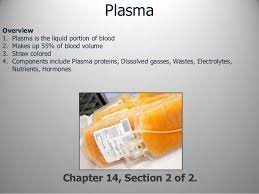
Blood plasma of covid-19 recovered-patients goes on sale in Pakistan
“People are making money by selling their plasma to patients in Pakistan. Humanity is dead,” Sara Bhutta, a Pakistani tweeter user tweeted last week.
Selling of Plasma of recovered Covid-19 patients has kicked off a debate in Pakistan. Majority in Pakistan believe it was un-ethical to charge for blood-plasma.
“It is unethical to charge for blood plasma of a covid-19 recovered patients. They should donate it for free,” Dr. Sobia Ali Hina told Islamabad Telegraph.
Sobia, a medical officer at Pakistan Air Force Hospital in Islamabad, advised higher officials of Ministry of Health to take investigate the matter and make sure donnors and Blood Banks give it plasma for free.
“We are in state of war. Lucky ones who recovered from deadly disease should donate it for free. I appeal to the higher authorities of Ministry of Health to make sure the donors and blood banks , both, donate it for free,” Dr. Sobia said.
However, there are a number of people in Pakistan who thinks charging for blood-plasma is not a bad thing at all.
“No hard to charge for blood-plasma. Nothing wrong with it,” Shoaib Ahmed, a Lahore based businessman told Islamabad Telegraph over telephone.
Selling of blood-plasma has divided public opinion in Pakistan. This correspondent came across with a plenty of people, mostly young, who believed each case could be looked at differently and the morality of the issue might depend on the background of the receiver and giver.
“ Look! If a wealthy man willingly pays for the blood plasma to a donor who hails from a humble background, then there’s no issue at all. However, trading blood plasma during such a time is inhumane,” Muhammad Bilal, a pharmacist by profession said.
While questions have been raised regarding effectiveness of Blood-Plasma therapy across the globe, Pakistani authorities believe it works.
Last month Pakistan’s National Institute of Blood Diseases (NIBD) confirmed that the first coronavirus patient who had been treated with plasma therapy had recovered.
On Tuesday, June 16, 2020, Pakistan’s Covid-19 tally surpassed tally of 150,000. Hospitals across Pakistan have run out of beds. While private hospitals are charging high fees to treat patients of Covid-19.
Health system in Pakistan, a Muslim country with 220 million majority Muslim population is at the brink of collapse. With just six hospital beds per 10,000 people, doctors say they fear that the healthcare system could be on the brink of collapse.
Government of Pakistan claims only 1,681 critical care beds are currently occupied countrywide, compared with a total capacity of 6,664.
However, reality is otherwise. Even doctors himself are denied beds in Intensive Care Units in hospitals across Pakistan.
Last month, a doctor, who had tested positive for COVID-19 had died in Karachi after he couldn’t find a bed in ICU.
His family alleged that he was taken to the Sindh Institute of Urology and Transplantation [SIUT], and a private hospital in Azizabad where he used to work, but all of them said they had no beds available.
Federal Minister for Planning, Development and Special Initiatives Asad Umar told media that cases of coronavirus could climb up to 1 million to 1.2m by the end of July.

Despite call from populous Punjab province, Prime Minister Imran Khan ruled out a sweeping lockdown.