


By Special Correspondent
New Delhi:
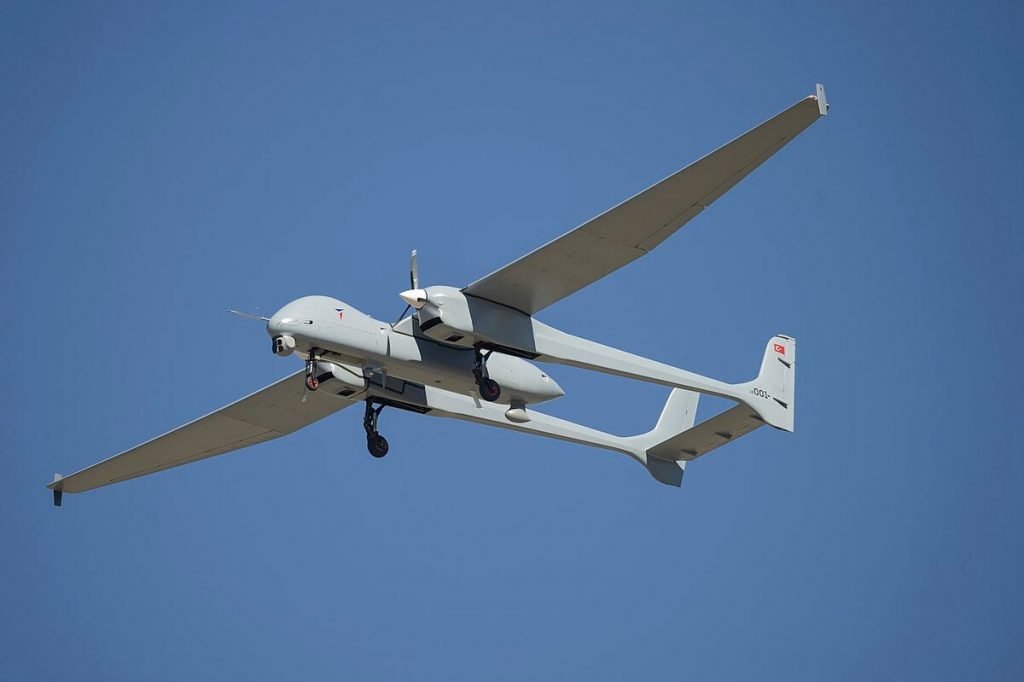
China has carried out an aerial drill over the Tibetan capital of Lhasa, a pre-emptive move designed to remind Buddhists scattered across the vast Himalayan plateau of the Communist Party’s military might that last crushed the uprising of young Tibetans ahead of the 2008 Beijing Olympics.
The aerial drill comes days after the United States enacted the Tibetan Policy and Support Act of 2020, which reaffirmed the right of Tibetans to choose a successor to their spiritual leader, the Dalai Lama. The Tibetan government-in-exile based in Himachal Pradesh, Dharamshala, described the US legislation as historic.
A China watcher in New Delhi said the drill could be only one part of the continuing effort by President Xi Jinping to sinicise Tibet that would pick up pace in view of the new US law.
“China wouldn’t want anything to happen in Tibet that reflects support for the US law… The military drill was a preemptive move and would be followed by other steps to stem any potential dissent,” he said.
Sinicisation is an attempt to wipe out religious and ethnic identities by increasing the influence of Chinese, or the culture of the majority Han community, on non-Chinese ideas and entities within China.
President Xi Jinping has been talking about sinicing religions in China since taking over the leadership of the Chinese Communist Party in 2012. Three years later, Xi talked about the sinicization of the five major religions practised in China: Catholicism, Protestantism, Islam, Buddhism, and Daoism.
For the last few years, China has been working on a plan to redefine the practise of Islam and align the beliefs of Muslims with the Communist Party. Xinjiang has been a focal point where the Communist regime has been implementing tactics that it has been practising in Tibet for years.
President Xi sees the sinicization of Tibetan Buddhism as part of a four-point programme that he unveiled last year at the August meeting to build what he called a “impregnable fortress” to maintain stability in Tibet that is so important to Beijing because of its long border with India. That Buddhist Tibetans, despite decades of Chinese rule, still worship the Dalai Lama as a living god, has long been seen as a threat by the Communist Party.
That is why China believes in US law that encourages the Tibetans to take such a risk to the Dalai Lama and wants to shape his succession, and argues that the Buddhist reincarnations must “comply” with Chinese law.
This compliance, however, is not unique to Buddhist Tibetans. A new rule that kicked in on 1 February last year requires all religions in China to look up to the ruling communist party for leadership and promote its policies.
Analysts believe that China could order a fresh crackdown in Tibet if the communist party assesses that there is even the slightest possibility of unrest in Lhasa. Rights activists who tracked Beijing’s response to the 2008 uprising said dozens of Tibetans were killed by the military to stop the protests against China.