


- China Emerges as a Strategic Buyer: With U.S. tariffs threatening exports, Peru is targeting China’s massive consumer base and growing demand for fruit.
- Chancay Port Cuts Shipping Time in Half: The Chinese-funded port near Lima accelerates delivery to Asia, enhancing freshness and competitiveness.
- Blueberry Production Booms Despite Tariffs: Peru expects a 25% increase in harvest for 2025–2026, reinforcing its position as the world’s top blueberry exporter.
- Government Pushes Market Diversification: Facing U.S. trade pressures, Peru is actively seeking new buyers in Asia, Europe, and Oceania to stabilize export revenue.
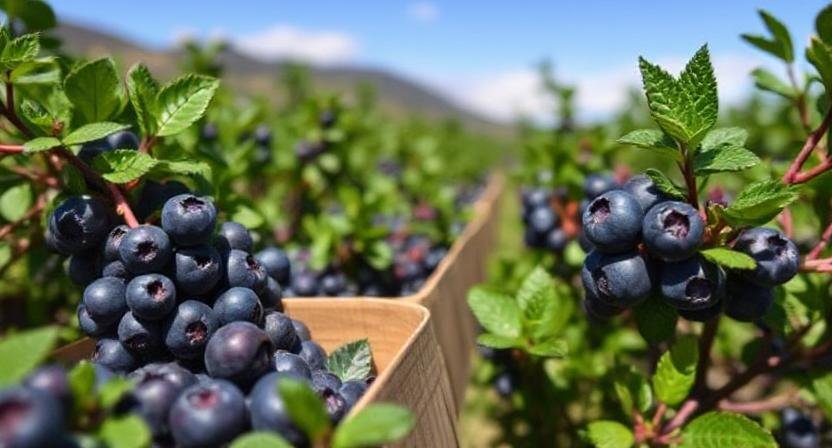
In the arid heart of Peru’s Pisco Desert, a silent revolution is reshaping the agricultural landscape. Once dominated by grapevines cultivated for Pisco brandy, this coastal strip 250 kilometers south of Lima now hosts rows of genetically engineered blueberry bushes, some reaching two meters in height. Designed to thrive in hot, dry conditions, these blueberry varieties are redefining what can grow in desert soil. For over a decade, the fruit has made its way to U.S. supermarket shelves, but a changing geopolitical climate is altering its journey.
Peru’s blueberry industry, the largest in the world since 2021, is recalibrating. Confronted with a 10% U.S. tariff on all Peruvian goods, including agricultural exports, producers are turning to China as an increasingly viable alternative market.
The Valle y Pampa farm, a major player in the industry, has witnessed a dramatic increase in harvest size since its start in 2012. It previously shipped most of its blueberries to the U.S., with the rest bound for Europe. However, this year marks its first major commercial shipment to China, as producers seek to mitigate losses stemming from American trade restrictions.
The Peruvian government has intensified its search for alternative markets in Asia, Europe, and Oceania. With agricultural exports generating $2.3 billion last year alone, officials are warning that continued U.S. tariffs could undermine momentum not just for blueberries, but also for textiles and mining. Production is expected to rise by 25% during the 2025–2026 harvest, reaching 400,000 tons. To sustain that growth, Peru is looking toward China, India, and Indonesia as promising new buyers.
READ MORE: U.S.-China Trade Talks: Signs of a Thaw in a Fractured Economic Relationship
If Peruvian supply to the U.S. slows due to tariffs, American consumers may see a rise in prices. The U.S. remains the primary destination for Peruvian blueberries, surpassing both Mexico and Chile. With limited domestic production, the U.S. relies heavily on imports to meet demand. Smaller retailers may struggle to maintain inventory levels, especially as they lack the bargaining power of larger chains.
Peruvian producers are lobbying their government to defend the free trade agreement with the U.S. and pursue strategies to offset the economic damage. Market diversification is now seen as crucial to protecting Peru’s agricultural sector.
At the same time, logistical developments are tipping the scale further in China’s favor. The Chinese-controlled port of Chancay, just north of Lima, is transforming trade dynamics. By reducing shipping time to Asia from 35 days to about 20, the port offers a critical advantage for fresh produce exporters. In April, China’s Guangzhou port established a direct route to Chancay, further strengthening trade links.
Some major exporters have already begun shifting part of their shipments to China. Late last year, a U.S.-based firm exported 15 to 18 containers of Peruvian blueberries to China using the Chancay port. The improvements in logistics make it feasible for producers to expand their footprint in the Asian market while maintaining product quality.
ALSO READ: Peru turns to China as US tariffs squeeze blueberry exports
As the peak harvest period approaches in August, growers anticipate a noticeable uptick in Chinese demand. While the U.S. remains Peru’s most important partner, the infrastructure and market appetite in China are reshaping future possibilities.
Still, not all analysts believe China will surpass the U.S. as the main destination for Peruvian blueberries. China’s domestic production, which spans a longer season than in the U.S., could limit its reliance on imports. However, even modest increases in Chinese demand may help Peru maintain growth amid U.S. trade headwinds.
Beyond blueberries, Peru’s broader agricultural strategy is evolving. Exports of grapes and avocados helped drive farm exports up 22% last year, reaching $12.8 billion. A dip in blueberry exports earlier this year, attributed to a change in harvest timing, was offset by a rise in shipments to China. The country’s experience in navigating shifting markets may soon become a model for other developing economies caught in the turbulence of global trade politics.
The transformation unfolding in Peru’s desert is emblematic of deeper changes in global supply chains. Genetic innovation, climate adaptation, and shifting geopolitical alliances are converging in the blueberry fields of Pisco. What began as an export crop for American health-conscious consumers is now a strategic asset in a complex trade landscape.
As trade barriers rise and new ports open, Peru’s blueberry boom is no longer just an agricultural success story—it’s a case study in economic resilience and geopolitical adaptation.