


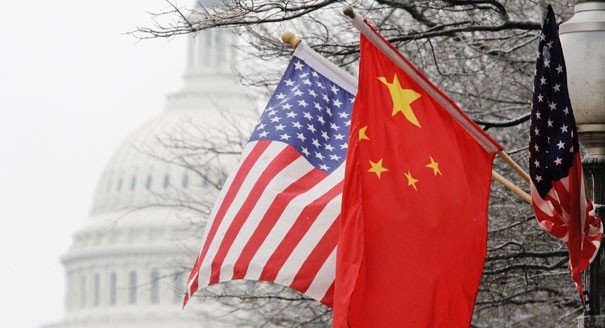
- Cooperation amidst challenges: China and the US strive for partnership despite unresolved issues.
- Diplomatic caution: Leaders emphasize dialogue while warning against escalating tensions in China-Us relations.
- Hope amidst complexity: Glimmers of progress emerge amid divergent interests in China-US relations.
As the world’s attention fixates on the high-profile meetings unfolding in the heart of Beijing, the discourse between the leaders of the world’s two largest economies takes center stage when it comes to discuss China-US relations. Chinese President Xi Jinping, in a pivotal exchange with top US diplomat Antony Blinken, emphasized the imperative for cooperation, echoing the sentiment that China and the United States ought to be partners rather than rivals. However, beneath the veneer of diplomatic pleasantries, a complex web of unresolved issues looms large, casting a shadow over the prospects of amicable relations.
As China-US relations touch new low, Blinken’s second visit to China within a year underscores the gravity of the discussions at hand. Against the backdrop of escalating tensions, his rendezvous with key Chinese officials within the hallowed halls of the Great Hall of the People carries profound significance. US officials have signaled Blinken’s intent to address critical points of contention head-on, including the contentious topics of Russia, Taiwan, and trade.
China warns US not to step on its ‘red lines’
In a cordial yet candid exchange, President Xi acknowledged some semblance of progress since his previous encounter with US President Joe Biden. Emphasizing the necessity for partnership, Xi conveyed a cautious optimism tempered by the acknowledgment of lingering unresolved issues. “There are still a number of issues that need to be resolved, and there is still room for further efforts,” the Chinese leader remarked, underscoring the need for constructive dialogue to pave the path forward. Implicit in Xi’s words lies a plea for mutual understanding and a willingness to accommodate each other’s concerns. “We hope the US can also take a positive view of China’s development,” Xi added, signaling a desire for reciprocity in perception.
Yet, amid the exchange of diplomatic niceties, a note of caution resonates. Chinese Foreign Minister Wang Yi, in a meeting with Blinken at the Diaoyutai state guesthouse, sounded a somber warning against the perils of escalating tensions. Expressing concerns over the specter of a “downward spiral,” Wang cautioned against the pitfalls of US pressure tactics. With a firm stance, he delineated the issue of Taiwan as the “first red line” that must not be transgressed, underscoring its non-negotiable status in China-US relations.
Pakistan Denounces US ‘Political Exploitation’ in Sanctions Against Missile Program Allie
Blinken, characterizing his marathon discussions with Wang as “extensive and constructive,” offered a glimpse into the intricacies of the deliberations. The marathon five-and-a-half-hour dialogue reflects the gravity of the issues at hand and the depth of engagement required to navigate the complexities of the bilateral relationship. As Blinken prepares to address the press at the US embassy in Beijing, the world awaits insights into the trajectory of China-US relations and the prospects for détente in the face of mounting challenges.
Against the backdrop of geopolitical uncertainties and diverging interests, the unfolding dialogue between China and the United States assumes paramount importance. As the world watches with bated breath, the outcome of these deliberations holds far-reaching implications for global stability and prosperity. In the crucible of Beijing, amidst the towering edifices of power and diplomacy, the fate of nations hangs in the balance. Will the protagonists of this geopolitical drama chart a course towards cooperation and mutual prosperity, or will they be ensnared in the quagmire of rivalry and confrontation? The answers lie within the corridors of power, as leaders grapple with the imperatives of statesmanship and the exigencies of our times.
Navigating Choppy Waters: Challenges in China-US Relations Persist
Amidst the backdrop of diplomatic overtures and cautious optimism, a sobering reality underscores the complexities of China-US relations. Despite fleeting moments of détente, a confluence of negative factors threatens to cast a pall over the fragile semblance of stability.
The specter of economic friction looms large, exacerbated by the Biden administration’s unyielding pressure tactics. From sweeping bans on semiconductor exports to contentious attempts at wresting control of popular apps like TikTok from Chinese ownership, the economic battleground has become a crucible of contention. With the specter of an impending election year looming large, prospects for a thaw in economic hostilities appear bleak, further exacerbating tensions on the economic front.
Chinese Foreign Minister Wang Yi’s sober assessment underscores the precarious nature of the relationship. While acknowledging a semblance of stabilization in bilateral ties, Wang cautions against complacency, highlighting the proliferation of negative factors that continue to erode trust and cooperation. Pointing to the unreasonable suppression of China’s legitimate development rights and the mounting challenges to its core interests, Wang issues a clarion call for the respect of each other’s sovereignty and core interests.
The pivotal question looms large In China-US Relations: Will China and the United States chart a course towards stability and cooperation, or risk descending into the abyss of a downward spiral? As Wang poignantly articulates, the trajectory of their relationship hinges upon the sincerity and ability of both nations to navigate the treacherous waters of geopolitics with wisdom and foresight.
Against this backdrop of uncertainty and discord, the imperative for dialogue and mutual understanding becomes all the more pressing. As the world watches with bated breath, the fate of China-US relations hangs in the balance, shaped by the interplay of competing interests and divergent worldviews. In this crucible of geopolitical tensions, the path forward remains fraught with challenges, yet imbued with the potential for transformative cooperation and shared prosperity. Only time will tell whether the protagonists of this geopolitical drama can rise above the fray, transcending differences to forge a path towards a more stable and harmonious future.
Navigating Forward: Hopes for Progress in China-US Relations
Amidst the complex tapestry of China-US relations, there emerges a glimmer of hope for progress, albeit against a backdrop of challenges and divergent interests.
US officials and experts discern in Chinese President Xi Jinping a keen focus on navigating the headwinds buffeting the Chinese economy. In the short term, it appears that Xi’s primary aim is to sidestep confrontations with the West, signaling a pragmatic approach to managing tensions.
Antony Blinken’s discussions with Chinese Foreign Minister Wang Yi underscore a shared aspiration for responsible management of the bilateral relationship. Blinken’s invocation of the California summit reflects a desire to build upon the agreements reached between the two leaders, emphasizing the importance of progress on key issues.
Crucially, both sides acknowledge the imperative of clarity in delineating areas of disagreement to prevent misunderstandings and miscalculations. Blinken’s assertion of shared responsibility underscores the global ramifications of the China-US dynamic, highlighting the necessity of constructive engagement for the betterment of all.
However, the specter of domestic politics looms large on the horizon. President Biden, facing a formidable re-election challenge, navigates a political landscape where China is cast as a pivotal issue. Despite Biden’s diplomatic overtures, echoes of his predecessor’s hardline stance reverberate, shaping the contours of US policy towards China.
Against this backdrop, Biden’s administration seeks to balance cooperation with assertiveness, as evidenced by recent actions such as increased pressure on China and bipartisan support for measures targeting Chinese-owned platforms like TikTok. While touting diplomatic wins, the administration remains resolute in addressing security and privacy concerns, underscoring the complexities inherent in the bilateral relationship.
As tensions persist and political dynamics evolve, the path towards progress in China-US relations remains fraught with challenges. Yet, amidst the complexities and uncertainties, the shared imperative for dialogue and cooperation offers a glimmer of hope for a future defined by mutual understanding and constructive engagement. In the crucible of geopolitics, the journey towards progress may be arduous, but the destination promises a more stable and prosperous world for all.