


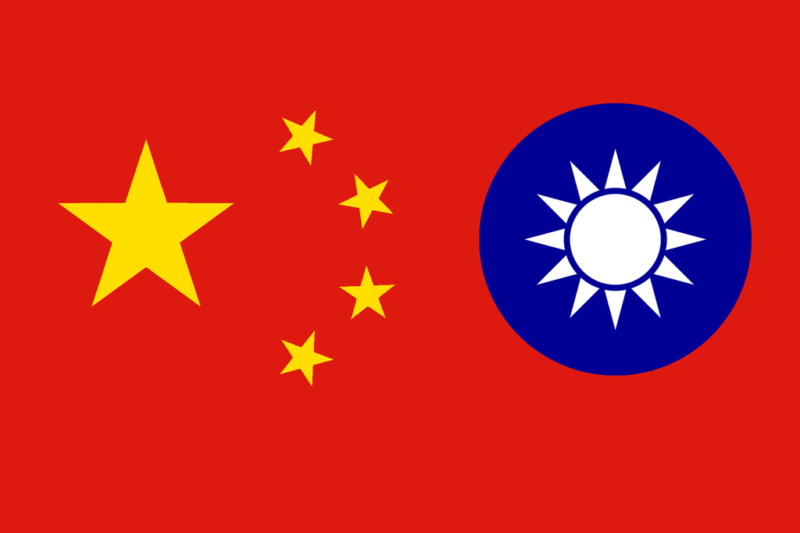
- Chinese university students overwhelmingly support the One China policy and view Taiwan as an inseparable part of China.
- A majority of young Chinese prefer peaceful unification, but are prepared to back forceful action if provoked by foreign interference.
- The younger generation’s nationalism is rational and strategic, prioritizing economic stability while supporting state sovereignty.
- Rising anti-U.S. sentiment among youth links Washington’s Taiwan stance to broader efforts to contain China’s rise.
At the China Development Forum on March 23, Chinese Premier Li Qiang presented a pragmatic economic blueprint centered on innovation, consumer spending, and foreign investment. His message suggested China’s focus lies in economic revival rather than military confrontation.
But among China’s rising generation of elites—particularly students at prestigious institutions like Tsinghua and Peking universities—this message was not surprising. It aligned with their strongly pro-government views, particularly on national sovereignty and Taiwan.
Far from being ambivalent or divided, young Chinese today are overwhelmingly supportive of the One China policy and the government’s position that Taiwan is an inseparable part of China. While many would prefer a peaceful path to reunification, a significant number of students expressed readiness to support the use of force if peaceful avenues are blocked—particularly in the face of foreign interference.
China’s Arms Get Their Trial by Fire—And the World Should Be Paying Attention
This generational stance challenges long-standing Western assumptions that Chinese youth are either politically apathetic or only mildly nationalistic. In fact, research conducted in Beijing shows widespread support among students for unification—by diplomacy or force. Anonymous interviews and a survey of more than 140 university students revealed near-universal backing for the CCP’s Taiwan policy.
“Unification is not a question of if, but when,” said one student. “We all want peace, but if Taiwan declares independence or foreign powers intervene, we will support any action the government takes.”
Such sentiments were echoed across the board. Even when students ranked domestic challenges like unemployment, inequality, and corruption higher in terms of urgency, they were clear that Taiwan’s unification remains a core national goal—one they support wholeheartedly, with military options on the table if provoked.
MUST READ:Biden Administration engages with China ahead of Taiwanese President’s visit to the US
This assertive yet measured patriotism contrasts with the more emotive nationalism of older generations. Middle-aged cab drivers in Beijing and Xiamen often invoked historic injustices when discussing Taiwan, citing national pride and the humiliation of foreign invasions. Yet they, too, placed economic concerns—especially the fallout from zero-COVID policies—at the forefront of their worries.
What unites both groups, however, is the firm belief in the One China principle and skepticism of American intentions. Students, while cautious and economically minded, spoke of Taiwan as a “test of sovereignty” and viewed U.S. involvement as the single most destabilizing factor.
“If the U.S. steps back, we can reunify peacefully. If they provoke us, force becomes necessary,” one Peking University student said.
While war is not the preferred solution, the appetite to support it exists—especially if independence is declared or if Chinese sovereignty is perceived to be threatened. In such scenarios, student support for military intervention more than doubled, illustrating a conditional readiness to act.
Premier Li’s economic focus at the Forum reflects an awareness of these generational sentiments. With youth unemployment hovering around 17 percent and economic anxieties mounting post-pandemic, the government understands that its future leaders want prosperity—but not at the expense of national integrity.
“Economic growth is crucial,” said a Tsinghua student. “But Taiwan is not negotiable. If we must choose, we’ll endure hardship for the sake of sovereignty.”
Even the “lying flat” generation, often portrayed as passive and disengaged, views Taiwan as a red line. Students described the U.S. as deliberately leveraging Taiwan to hinder China’s rise—equating it with past provocations over Hong Kong, Tibet, and trade tariffs.
MORE READ:Trump’s Trade War May Make Elite Young Chinese More Nationalistic
One student compared the Taiwan question to a long-term acquisition strategy: “You don’t abandon a merger just because the market turns volatile. Taiwan will be unified—peacefully if possible, forcefully if necessary.”
Former President Trump’s tariffs and current U.S. policy have only added fuel to this sentiment. While a temporary easing of tariffs offered momentary relief, many young Chinese see broader U.S. actions—like tech bans and diplomatic support for Taiwan—as long-term threats to China’s development and dignity.
For U.S. policymakers, the message is clear: China’s youth stand behind their government’s Taiwan policy, including the right to use force if provoked. Their nationalism is not blind; it is pragmatic, deeply rooted in history, and shaped by a vision of China as a prosperous and united power on the world stage.
If American actions are perceived as undermining this vision—particularly through Taiwan—then even this peace-preferred generation is prepared to rally behind more assertive measures. The days of assuming young Chinese are disengaged from geopolitics are over.
In today’s China, patriotism is modern, rational, and strategic. And it is fully aligned with Beijing’s position on Taiwan.