


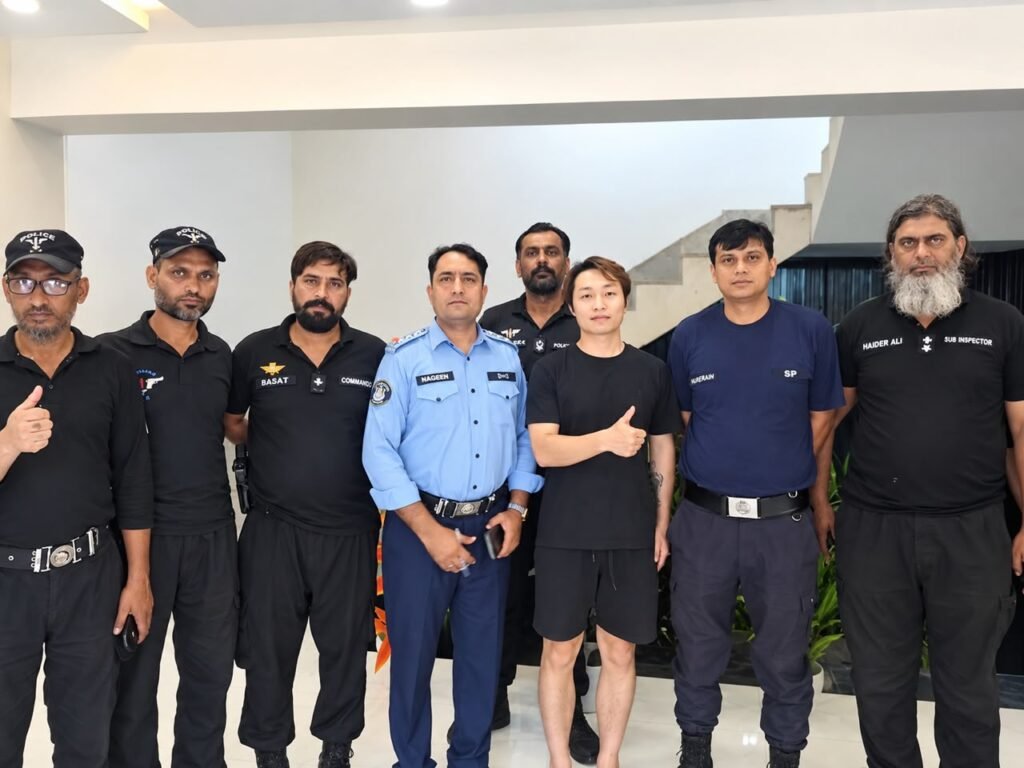
- Chinese National Kidnapped in Islamabad was rescued safely after armed men allegedly abducted him from a house in G-8/1 and demanded $100,000.
- Islamabad police arrested nine alleged kidnappers and recovered vehicles, cash and mobile phones allegedly taken during the crime.
- The case raises serious questions about how a foreign national could be abducted at gunpoint in Pakistan’s heavily secured federal capital.
ISLAMABAD — The kidnapping began before sunrise in one of Islamabad’s residential sectors, when a group of armed men forced their way into a house and took a Chinese national hostage. By the time the family received a demand for $100,000, what initially appeared to be a violent robbery had become a high-stakes kidnapping case involving Pakistan’s capital and one of its most important foreign partners.
According to the first information report registered at Karachi Company police station, between 12 and 13 armed men entered House No. 286 on Street 77 in Sector G-8/1 at around 6 or 7 a.m. on Sept. 12. The men allegedly rounded up those inside the house at gunpoint, searched the premises and took mobile phones, cash, computers, identity documents and other valuables.
The Chinese national, identified in the police report as Zhou Jiawei, was then forcibly taken away in a vehicle. The complainant, Muhammad Zohaib, who said he had worked as Zhou’s Chinese translator for about six months, told police that several of the attackers posed as government personnel. One allegedly claimed to be from the Special Branch and carried what appeared to be a wireless communication set.
READ NEXT: China’s Satellite Shadow Over Iran War Puts Trump-Xi Summit Under Pressure
The suspects were described as carrying firearms and wearing a mixture of civilian clothing, including shalwar kameez and black clothing. The complainant gave police descriptions of several of the alleged attackers, including their approximate ages, height, build, complexion and accents. He told investigators that he and the other people present could identify the suspects if they were brought before them.
SP City, Khurrum Ashraf confirmed the incident and said kidnappers were arrested using advanced technology and citizen’s help.
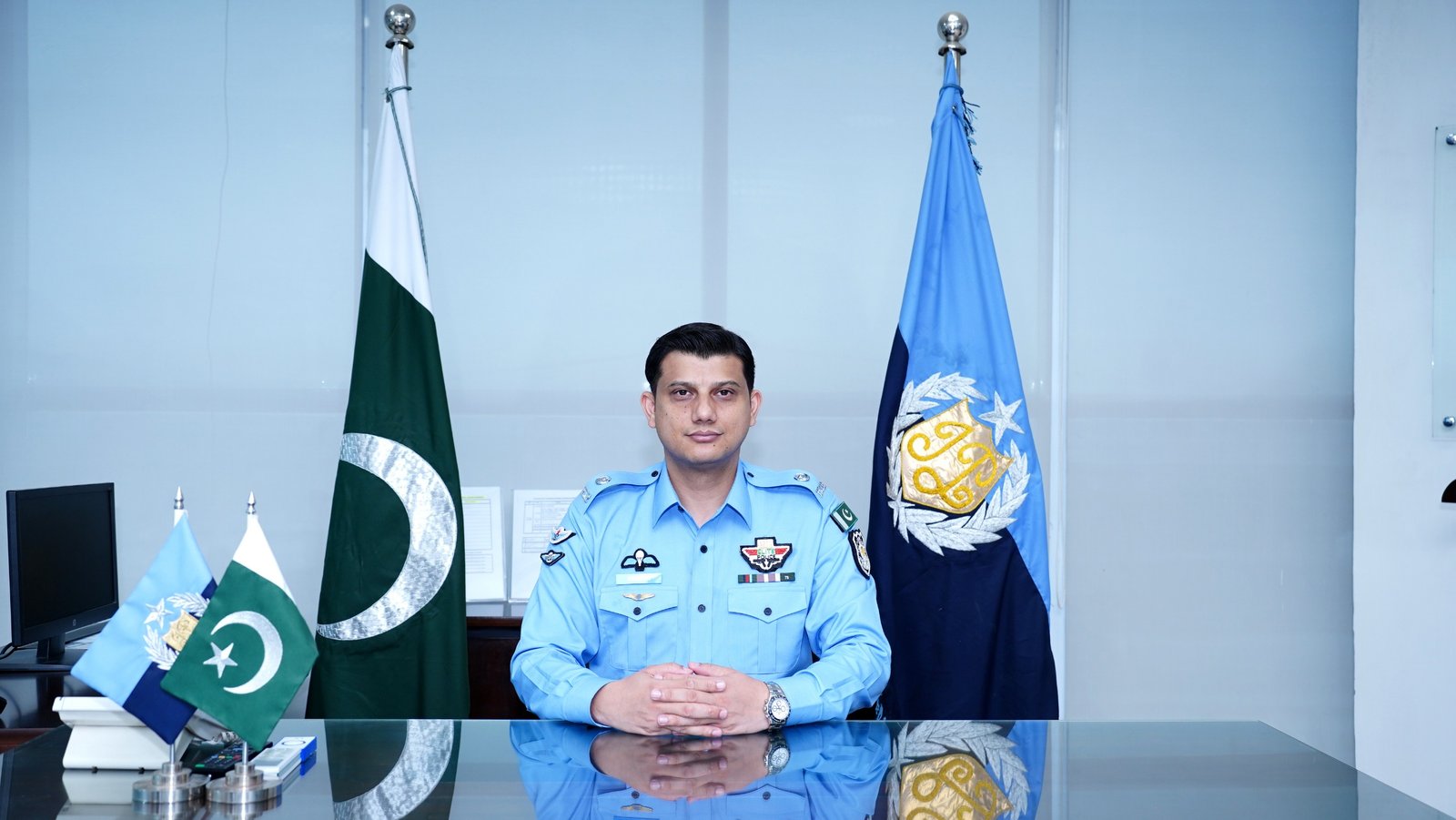
“This operation succeeded because of rapid coordination and modern investigative tools,” said Superintendent of Police City Muhammad Khurram Ashraf in an interview with The Islamabad Telegraph.
“By combining advanced cellular tracking with intelligence provided by alert citizens, we mapped the suspects’ movements in real time, leading to the safe recovery of the victim and the arrest of the perpetrators.”
“This operation succeeded because of rapid coordination and modern investigative tools,” said Superintendent of Police City Muhammad Khurram Ashraf in an interview with The Islamabad Telegraph. “By combining advanced cellular tracking with intelligence provided by alert citizens, we mapped the suspects’ movements in real time, leading to the safe recovery of the victim and the arrest of the perpetrators.”

The attackers also allegedly took four vehicles from the premises, including two Toyota Fortuners and a Honda Vezel, according to the FIR. But the most serious development came after Zhou was taken away. The kidnappers contacted his family in China and demanded $100,000 for his release.

The family contacted Chinese officials in Islamabad, bringing the case immediately into the diplomatic sphere. Chinese officials then approached senior Pakistani authorities, according to people familiar with the chain of communication. The case was no longer simply a police investigation. The safety of a Chinese citizen on Pakistani soil had become a matter requiring urgent attention from the two countries.
Chinese National Kidnapping: Islamabad police moved quickly.
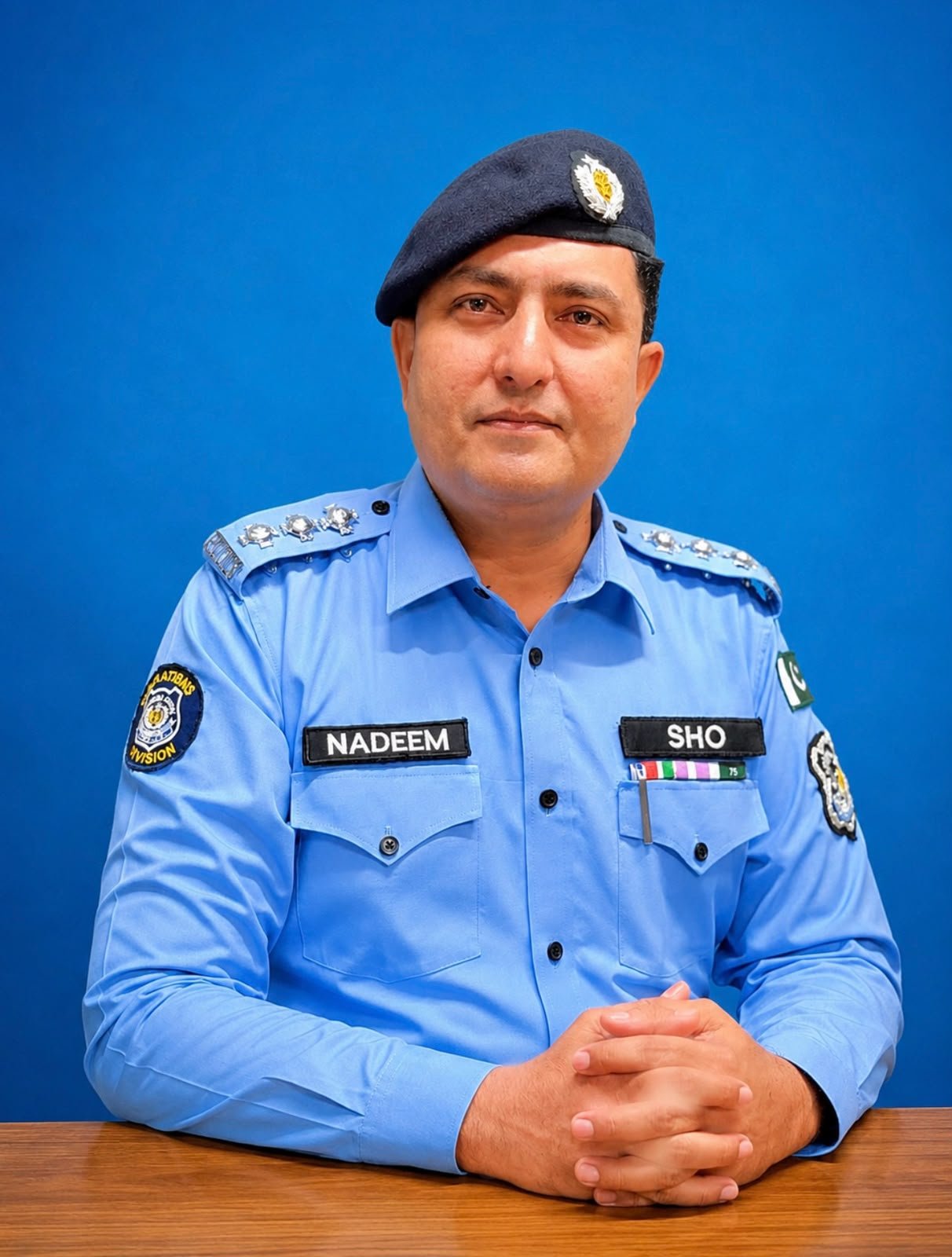
Senior Superintendent of Police Qazi Ali Raza took immediate notice of the case and ordered a special operation to locate Zhou and arrest those responsible. Superintendent of Police City Muhammad Khurram Ashraf supervised the response, while Station House Officer Nadeem Tahir took the lead in the field operation.
READ MORE: New York crypto investor accused of kidnapping Italian tourist
The three officers became the operational core of the rescue effort. Their challenge was straightforward but formidable: find a kidnapped foreign national before his captors could move him again, while making sure that the operation did not endanger his life.
Police investigators combined technical resources with human intelligence to establish the movements of the suspects. Investigators worked to identify the vehicles, trace the alleged kidnappers and establish where the hostage had been taken. The operation was conducted with urgency, but the police had to balance speed with the dangers inherent in a hostage recovery.
The trail eventually led investigators outside the immediate G-8 area and toward the jurisdiction of Sihala police station. The geography of the case had changed. What had begun at a house in one of Islamabad’s most familiar residential sectors had developed into a wider pursuit on the capital’s outskirts.
Then police moved.

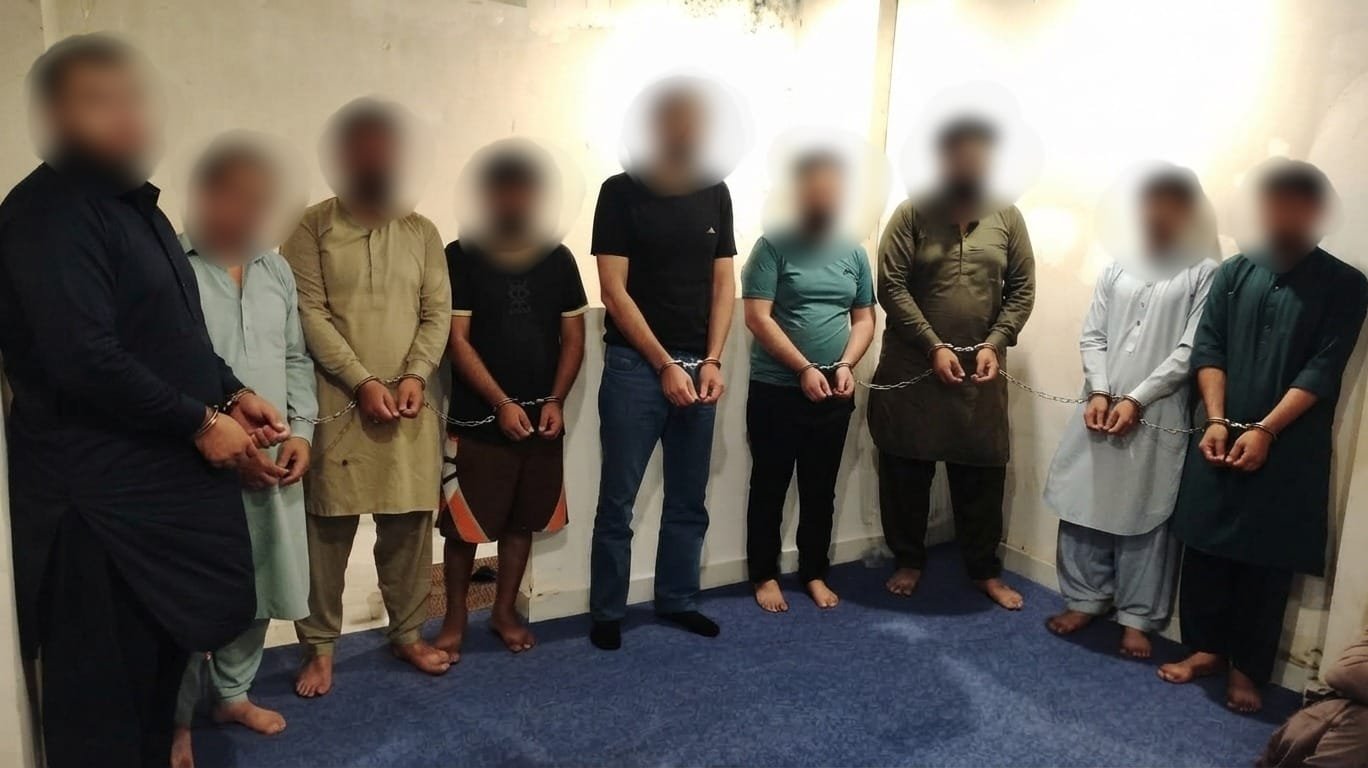
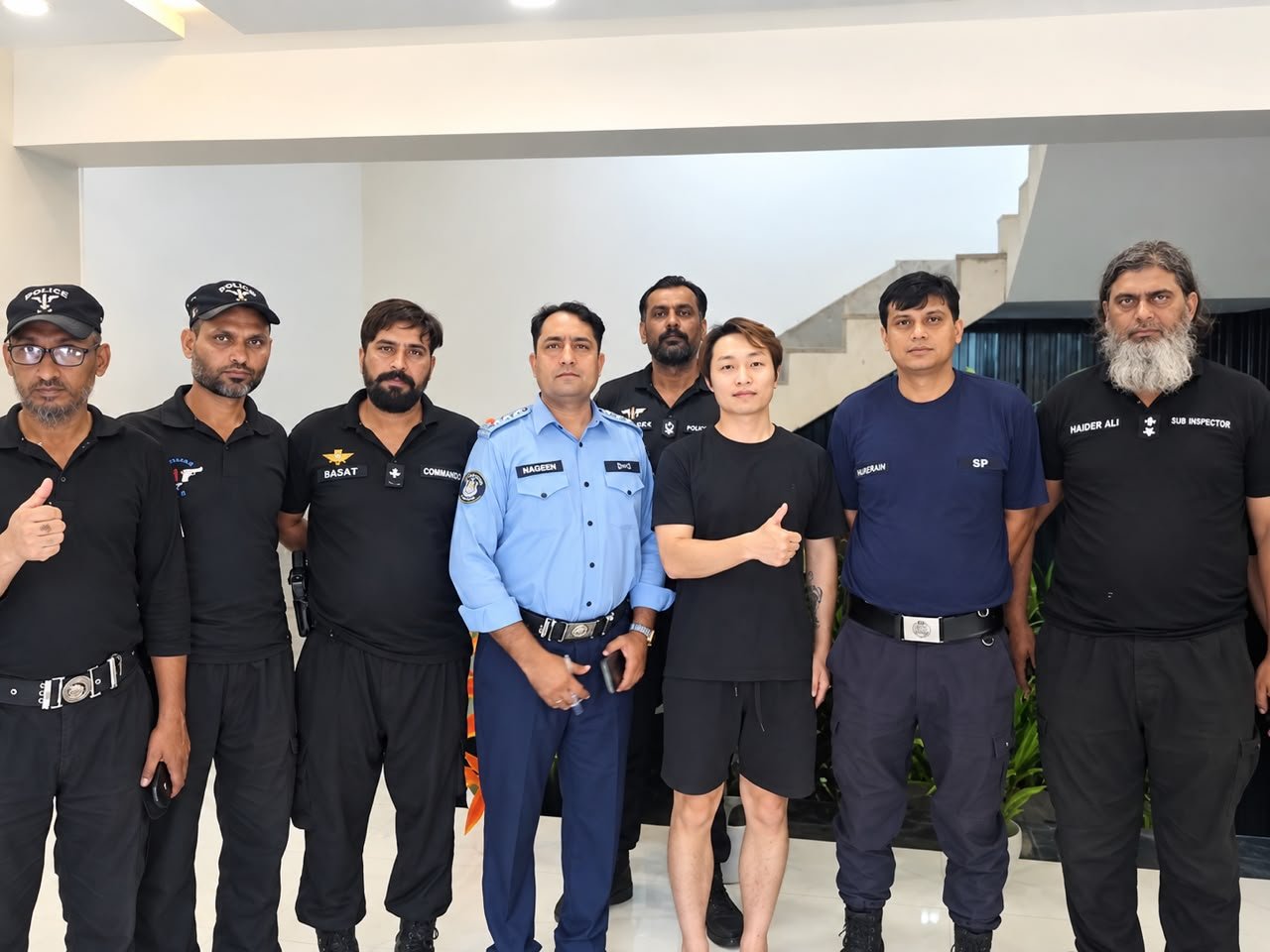
Tahir led the operational team, working with Raza and Ashraf as the investigation reached its decisive stage. Police located the foreign national and recovered him safely. Nine alleged kidnappers were arrested in connection with the crime.
Police also recovered three vehicles allegedly used in the operation, together with cash and mobile phones that investigators said had been taken from members of the victim’s staff. The authorities were continuing to investigate the circumstances of the crime and the wider network allegedly involved.
The immediate mission had been accomplished.
Zhou was alive and back in safety. The $100,000 ransom had not secured his release. The alleged kidnappers were in custody. And the Chinese Embassy, which had been drawn into the case after the family’s appeal for help, could now see its citizen safely recovered.
The successful operation was also a significant moment for Islamabad police. Tahir’s role in leading the field operation, supported by Raza and Ashraf, demonstrated the importance of coordination between senior command and investigators on the ground. According to officials, the recovered foreign national later praised the professionalism of the police.
But the successful rescue leaves an uncomfortable question for Pakistan.
How could a Chinese national be kidnapped at gunpoint from Islamabad?
Islamabad is the federal capital and the diplomatic center of Pakistan. Foreign embassies, international organizations, multinational companies and thousands of foreign nationals operate in and around the city. Chinese citizens, in particular, have become an important part of Pakistan’s economic and development landscape.
The location of the crime therefore matters.
This was not an isolated mountain road or a remote border district. It was a residential neighborhood inside the capital. The alleged attackers were able to enter a house, overpower the occupants, conduct a search, take valuables and vehicles and abduct a foreign national.

That raises questions for investigators beyond the identities of the nine suspects now in custody. How did the alleged kidnappers know where Zhou was staying? Was he specifically targeted? How did the group manage to assemble such a large number of armed men? How did they move the hostage and several vehicles without being intercepted?
And perhaps most importantly, were the suspects ordinary criminals seeking money, or was there a wider motive?
There is no evidence yet establishing that the kidnapping was designed as an organized attempt to damage Pakistan’s international image. Investigators will have to establish motive. But the consequences of such a crime can extend well beyond a ransom demand.
A foreigner kidnapped from Pakistan’s capital can raise concerns among diplomats, businessmen, investors and tourists. For a country seeking to attract international investment and present itself as a safe destination, security incidents involving foreigners carry an unusually high reputational cost.
For China, the stakes are particularly significant. Beijing is one of Islamabad’s closest strategic and economic partners, and Chinese citizens working and living in Pakistan have previously been the subject of security concerns. Every such incident therefore receives attention not only from police but from diplomatic and political authorities.
That is why this case became more than a $100,000 ransom investigation.
For Pakistan, the safety of a foreign guest in its capital is also a question of national credibility. Islamabad is expected to be the country’s safest and most internationally connected city. If criminals can abduct a foreign national from a residential sector of the capital, questions about security inevitably follow.
Yet the other side of the story is equally important.
The police response showed that once the kidnapping became known, authorities treated the case with urgency. The investigation moved from the initial crime scene to the identification and pursuit of the suspects, and ultimately to the recovery of the hostage.
The alleged kidnappers had demanded $100,000.
Instead, they triggered a police operation that ended with the hostage alive and nine suspects behind bars.
The investigation is not over. Police must now establish exactly how the kidnapping was planned, why Zhou was targeted, who else may have been involved and whether the suspects had any connections beyond the immediate crime.
Those answers will determine whether this was simply a brazen kidnapping-for-ransom operation or something more complicated.
For now, however, one fact stands above the rest: a Chinese citizen was taken at gunpoint from Pakistan’s capital, and Islamabad police brought him back safely.
The rescue protected one man.
The investigation that follows will determine whether it also protects something larger—the confidence of the foreigners who live, work and invest in Islamabad.