


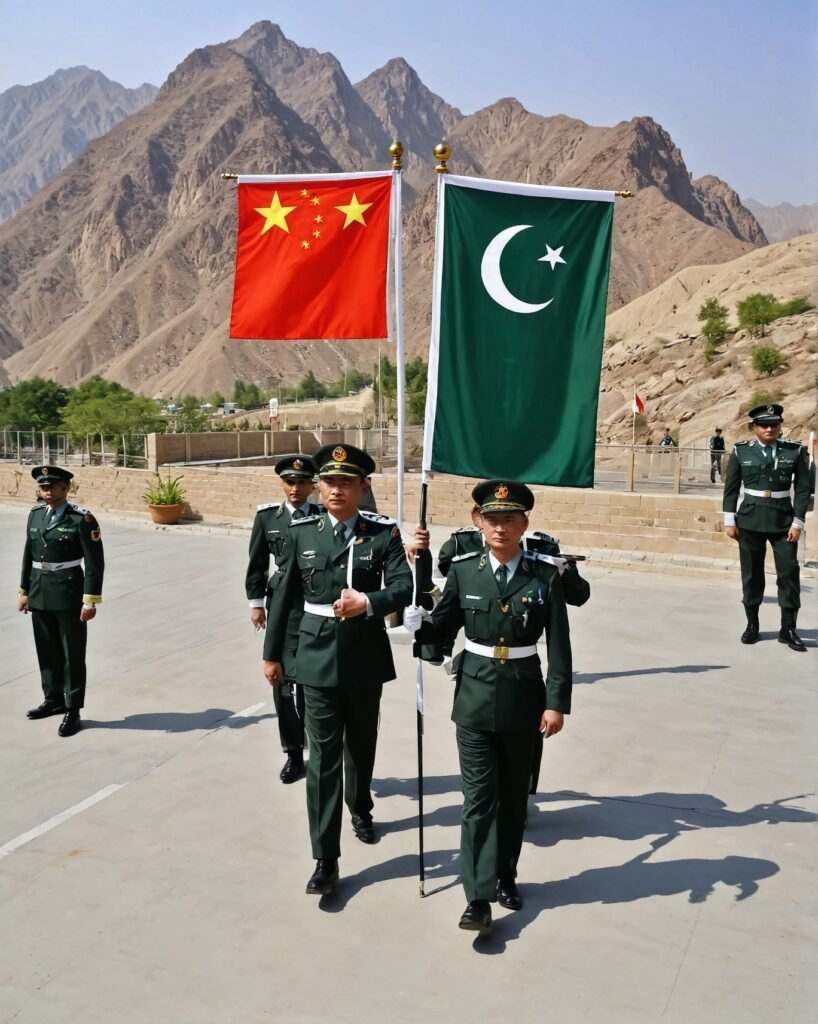
- The recent Karachi bombing has intensified China’s request for direct involvement in security for its nationals in Pakistan.
- Allowing Chinese security personnel on Pakistani soil raises sovereignty concerns and diplomatic sensitivities.
- A proposed joint security strategy includes enhanced intelligence sharing, on-site coordination, and specialized training.
- A balanced security approach can strengthen Pakistan-China relations while ensuring safety for Chinese nationals and respecting Pakistan’s sovereignty.
The recent bombing near Karachi airport, tragically killing two Chinese engineers, has underscored the urgency of safeguarding Chinese citizens working on the China-Pakistan Economic Corridor (CPEC) projects. This attack, part of a disturbing pattern targeting Chinese interests, has fueled China’s request for direct security involvement, proposing that Chinese personnel be allowed to secure their nationals within Pakistan. Though this proposal has raised concerns, a carefully designed strategy that involves both nations could serve the shared interests of stability, trust, and security.
The Need for Enhanced Security
China’s investment in Pakistan through CPEC is central to the Belt and Road Initiative (BRI), totaling approximately $65 billion and encompassing infrastructure, energy, and industrial projects. However, with thousands of Chinese workers operating in high-risk areas, such as Balochistan and Sindh, security threats from local insurgents and extremist groups have intensified.
Beijing pushes to join security efforts for citizens in Pakistan, sources say
These groups, often hostile to both Pakistan and China, claim exploitation of resources, making Chinese nationals a prime target. For instance, the recent bombing, using a vehicle laden with explosives, breached airport security despite multilayered measures, revealing a serious lapse and hinting at potential insider assistance. Beijing’s frustration with these lapses has grown, as China’s ambassador to Pakistan, Jiang Zaidong, voiced discontent with current protections.
Pakistan’s Reluctance and Mutual Interests
While China’s desire for security autonomy is understandable, allowing foreign security forces on Pakistani soil is a sensitive issue. Pakistan has consistently valued sovereignty over its security protocols and hesitates to grant other nations operational control within its borders. Furthermore, introducing Chinese security forces could set a precedent that complicates Pakistan’s diplomacy and may impact public perception, especially in areas where sentiments against foreign presence already run high.
That said, the historical partnership between Pakistan and China – solidified by mutual trust and strategic cooperation – could serve as the foundation for a joint security management system that respects Pakistan’s sovereignty while ensuring China’s safety requirements. If a balanced solution can be crafted, it would reinforce Pakistan’s commitment to protect foreign investments while alleviating Beijing’s security concerns.
Proposing a Joint Security Strategy
One potential solution is the establishment of a joint security management system involving close coordination between Pakistani and Chinese authorities. Here’s how it could work effectively:
- Enhanced Intelligence Sharing and Surveillance: Pakistan could accept China’s offer to bolster its intelligence and surveillance capabilities, specifically tailored to track threats targeting Chinese assets. This approach would enhance Pakistan’s internal security apparatus without necessitating foreign boots on the ground. Enhanced intelligence cooperation can prevent incidents before they occur, addressing China’s concerns while preserving Pakistan’s operational control.
- On-Site Coordination Teams: Instead of deploying Chinese security forces across Pakistani territory, a select group of Chinese security advisors could be integrated within Pakistan’s command centers. These personnel could provide real-time assessments, participate in strategy sessions, and ensure that security protocols for Chinese nationals align with their expectations. This collaboration would allow Chinese input without compromising Pakistani sovereignty.
- Specialized Training Programs: China could provide advanced training to Pakistani security personnel in areas such as counter-terrorism, convoy security, and threat detection. This investment in Pakistani capabilities would enhance the protection of Chinese nationals without requiring Chinese forces to operate independently. Through specialized training, Pakistan’s Special Protection Unit and other security forces could become more adept at securing high-risk projects and personnel.
- Joint Security Drills and Protocol Audits: Conducting regular joint security exercises and audits could help identify gaps in existing protocols and prepare Pakistani forces to respond to threats effectively. By simulating potential attacks and developing coordinated responses, both countries could assess readiness levels and adjust their strategies as needed.
- Dedicated Task Force for CPEC Security: Building on Pakistan’s existing Special Protection Unit, a dedicated task force for CPEC could be established with personnel trained specifically for protecting Chinese nationals and assets. This task force could operate under the joint oversight of Pakistani and Chinese security officials, fostering a sense of shared responsibility without compromising command structures.
Advantages of a Joint Strategy
Such a collaborative model would offer multiple advantages. First, it would address China’s security concerns more effectively than Pakistan’s current arrangements, which have faced issues of compliance and consistency. Second, it would keep Pakistan’s control intact, thus respecting domestic laws and public sentiment, particularly in regions sensitive to foreign presence.
Lastly, a joint approach could foster a deeper level of trust between the two countries, highlighting Pakistan’s commitment to its long-term ally and China’s respect for Pakistan’s autonomy.
Challenges and Considerations
Implementing this joint strategy will not be without its challenges. Coordination between Chinese and Pakistani forces must be seamless, with clear communication channels and well-defined roles to avoid potential jurisdictional conflicts. Additionally, both nations must prepare for public and political scrutiny. While the Pakistani government is likely to support this plan due to the strategic benefits of CPEC, public sentiment in sensitive areas, such as Balochistan, may still view Chinese presence warily. Therefore, transparency and local engagement will be essential for building acceptance of any new security arrangement.
Conclusion: A Balanced Solution for Security
As China continues to invest heavily in Pakistan’s infrastructure, a balanced and collaborative approach to security will be key to sustaining this vital relationship. The recent Karachi bombing has shown that existing security measures may not be sufficient to protect Chinese nationals fully, and it is in Pakistan’s interest to take proactive steps. Through a joint security framework, Pakistan and China can work together to safeguard personnel, maintain the integrity of critical projects, and strengthen the bond between two longstanding allies. Such a strategy would reflect not only Pakistan’s commitment to protecting its guests but also China’s respect for Pakistan’s sovereignty, creating a sustainable path forward in a challenging security landscape.