


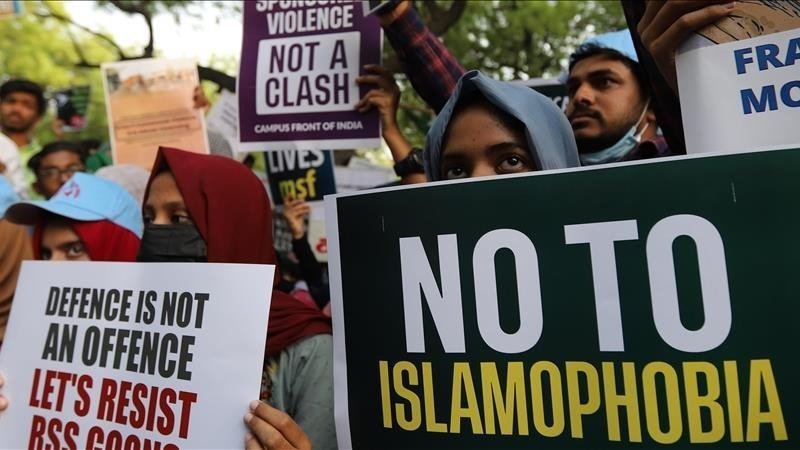
- Global leaders convene at the Centre for Strategic Perspectives (CSP) in Islamabad to address rising Islamophobia worldwide.
- Distinguished panelists advocate for global solidarity, legal measures, and educational initiatives to combat prejudice and discrimination against Muslims.
- The Roundtable Discussion underscores the urgent need for mutual understanding, interfaith dialogue, and collective action against Islamophobia.
In a landmark initiative to commemorate the International Day to Combat Islamophobia, the Centre for Strategic Perspectives (CSP) at the Institute of Strategic Studies Islamabad (ISSI) hosted a Roundtable Discussion titled, “Importance of Global Solidarity to Combat Islamophobia.” The event brought together renowned figures from across the globe to engage in a critical dialogue aimed at addressing the rising prejudices, intolerance, violence, and injustices faced by Muslims worldwide.
The Roundtable Discussion, chaired by Dr. Qibla Ayaz, Chairman of the Council of the Islamic Ideology (CII), witnessed the participation of distinguished guests including Ambassadors from Iran and Turkey, along with noted academics and senior Foreign Office officials. Dr. Neelum Nigar, Director CSP, set the tone for the discussion by emphasizing the contemporary significance of combating Islamophobia amidst a backdrop of global conflicts and challenges.
Ambassador Rizwan Saeed Sheikh, Additional Secretary at the Ministry of Foreign Affairs, advocated for a balanced approach between freedom of expression and respect for religious sentiments. He emphasized the importance of utilizing international human rights frameworks for dialogue and action against Islamophobia.
Ambassador Sohail Mahmood, Director-General of ISSI, underscored the journey since the tragic Christchurch terrorist attacks in March 2019, emphasizing Pakistan’s leading role in advocating for action against Islamophobia at international platforms such as the Organization of Islamic Cooperation (OIC) and the United Nations General Assembly. He highlighted that Islamophobia is not confined to Western countries but also prevails in non-Western regions, citing the rise of Hindutva ideology in Pakistan’s neighborhood as a concerning example. Ambassador Mahmood urged for global solidarity and emphasized the need to build bridges in times of turmoil.
A special video message from the Honourable Secretary-General of the OIC, Hissein Brahim Taha, reiterated the urgent need to combat prejudice and discrimination against Muslims globally. He called for international solidarity, legal measures against hate speech, and educational initiatives to dispel misconceptions about Islam.
Dr. Muhammad Israr Madani provided a scholarly analysis of Islamophobia, tracing its historical roots and contemporary manifestations. He emphasized strategic engagement, media literacy, and educational reforms as essential components of countering Islamophobic narratives.
Ambassador Rizwan Saeed Sheikh, Additional Secretary at the Ministry of Foreign Affairs, advocated for a balanced approach between freedom of expression and respect for religious sentiments. He emphasized the importance of utilizing international human rights frameworks for dialogue and action against Islamophobia.
Ambassadors Dr. Reza Amiri Moghadam and Dr. Mehmet Paçaci contextualized Islamophobia within broader historical and geopolitical narratives. They highlighted the political misuse of Islamophobia and called for unity among Muslim nations to address the issue collectively.
Chief Guest Dr. Qibla Ayaz delivered a profound address, emphasizing the importance of mutual understanding between Western and Muslim societies. He urged for introspection within Muslim communities and highlighted the significance of collective action in combating Islamophobia.
The discussion was followed by an interactive session emphasizing youth engagement, global solidarity, and proactive measures to address Islamophobia. Ambassador Khalid Mahmood concluded the event by presenting participants with ISSI mementos, symbolizing a collective commitment to combatting Islamophobia.
The Roundtable Discussion served as a pivotal moment in galvanizing global efforts to combat Islamophobia. By fostering dialogue, understanding, and solidarity, leaders from diverse backgrounds reaffirmed their commitment to promoting tolerance, respect, and mutual understanding across communities and faiths. As the world grapples with challenges, the call for solidarity against Islamophobia resonates louder than ever, offering hope for a future of harmony and coexistence.