


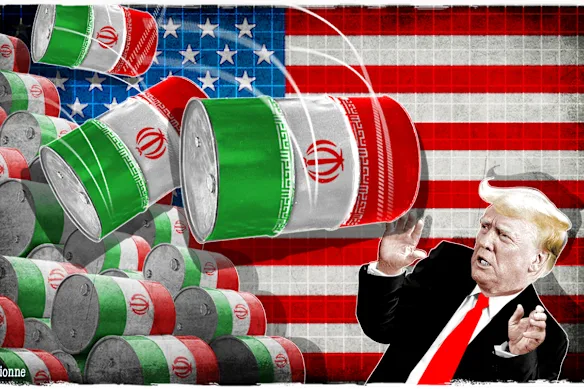
- The current Gulf Energy War and Energy Crisis has paralyzed 20% of global oil and gas supply following unprecedented strikes.
- Shipping through the Strait of Hormuz has entered a “ghost zone,” further intensifying the Energy Crisis.
- Analysts warn that $150 oil is imminent, threatening a sovereign default for nations like Pakistan.
- National energy emergencies are being declared worldwide to mitigate the fallout of this systemic Energy Crisis.
The global energy map is being redrawn in real-time as Iranian missile and drone swarms systematically dismantle the infrastructure of the world’s largest hydrocarbon exporters. What began as a regional skirmish has metastasized into a definitive break in the global supply chain, with the Strait of Hormuz falling silent and Brent crude prices surging past $120 a barrel.
The attacks, which targeted the Ras Laffan LNG complex in Qatar and key processing nodes in the UAE and Saudi Arabia, have effectively sidelined nearly 20% of the world’s daily oil and gas consumption. In the city-states of the Persian Gulf, once symbols of invulnerable wealth, the horizon is now defined by the black plumes of burning storage tanks.
The Chokepoint Fails
For decades, the Strait of Hormuz was the world’s most watched transit point. Today, it is a “ghost zone.” Shipowners have suspended all transits through the 21-mile-wide waterway after three tankers were struck by loitering munitions in less than 48 hours.
“We are entering uncharted waters,” said Helima Croft, head of global commodity strategy at RBC Capital Markets. “This isn’t just a risk premium; it’s a physical disappearance of molecules. If the Ras Laffan damage is as structural as satellite imagery suggests, the world has lost its primary source of seaborne gas just as inventories are at seasonal lows.”
The market’s reaction has been violent. Analysts at Goldman Sachs and JPMorgan are already revising forecasts, warning that a sustained closure will test $150 per barrel by the end of the quarter. Unlike previous shocks, there is no “swing producer” capable of filling a gap of this magnitude. Saudi Arabia’s own East-West pipeline is operating at maximum capacity, yet it can only bypass a fraction of the volumes typically moved by sea.
Pakistan on the Brink
While the West grapples with record-high prices at the pump, the crisis is existential for emerging markets. Pakistan, a nation already suffocating under a mountain of debt, now faces a “total system collapse.”
Brent up but off highs, US crude finishes with small loss
The country’s energy mix is heavily reliant on imported furnace oil and Qatari LNG—both of which have ceased to arrive. In Islamabad, the government is reportedly preparing to declare a National Energy Emergency.
- Supply Shock: Pakistan’s strategic petroleum reserves are estimated to last fewer than 14 days.
- Blackout Risk: Grid operators warn that a lack of fuel for thermal plants will trigger a total nationwide blackout within 72 hours.
- Sovereign Default: The surge in oil prices has added an estimated $800 million to the monthly import bill, a sum the central bank cannot cover.
- IMF Complications: The current crisis threatens to derail the existing IMF bailout program as inflation targets become impossible to meet.
“The math for Pakistan no longer works,” said Uzair Younus, director of the Pakistan Initiative at the Atlantic Council. “At $120 oil, the country is spending more on energy than it earns in exports. Without an immediate international credit line or a miracle in the Gulf, a sovereign default is no longer a risk—it is a mathematical certainty.”
Forecasting the Fallout
The immediate future depends on the extent of the damage to Qatar’s North Field facilities. Early reports suggest Iranian “suicide drones” bypassed sophisticated air defense systems to strike the heart of the liquefaction trains. If these facilities remain offline for months rather than weeks, the global manufacturing hubs of Asia—China, Japan, and South Korea—will face an unprecedented industrial winter.
For international investors, the focus has shifted from “growth” to “survival.” Defensive positions in North American shale and renewables are surging, while airline and transport stocks are in freefall.
As the sun sets over a darkened Persian Gulf, the world waits for a signal that the ghost zone might reopen. Until then, the global economy is flying blind into a $150-a-barrel reality.