


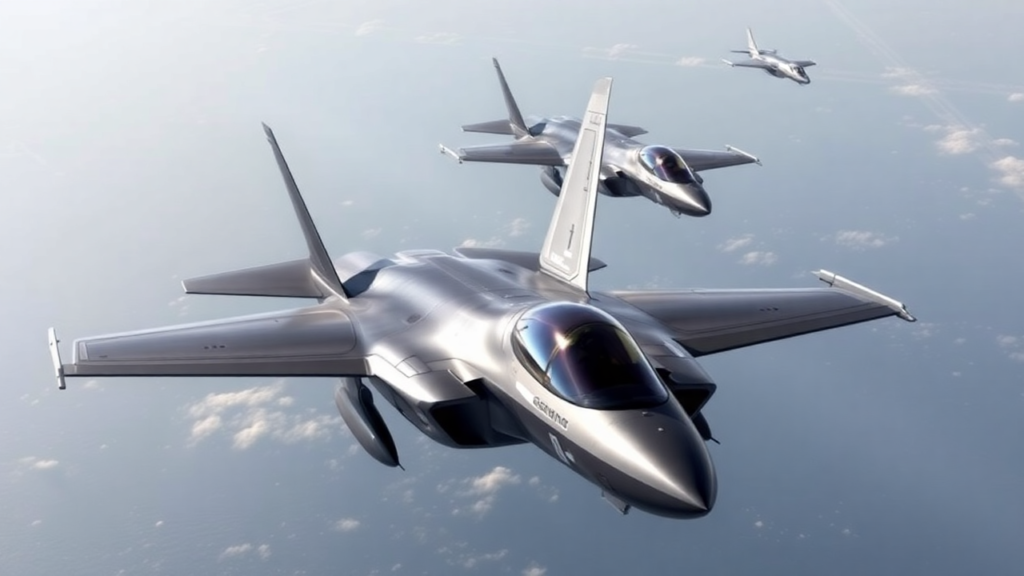
- India proposes defense deals favoring Lockheed Martin over Russia and France to appease the US.
- Modi’s government offers to cut Russian oil imports by 30% while boosting US crude imports.
- A comprehensive strategy includes lowering tariffs, importing more US goods, and repatriating illegal immigrants.
- India positions itself as a counterbalance to China in technology, trade, and geopolitics.
As global geopolitics continue to shift, India has emerged as a key player vying to replace China as the United States’ most preferred trade partner. With the return of Donald Trump to the White House, India is aggressively pursuing avenues to solidify its trade relationship with the US, navigating potential tariffs and strategically positioning itself as the ideal alternative to China. Indian Prime Minister Narendra Modi and his administration have been working tirelessly behind the scenes to formulate a mutually beneficial economic and strategic framework, offering Washington a deal that the Trump administration might find too tempting to refuse.
A Calculated Approach to Avoid Tariffs
Trump’s economic policies have long been centered on balancing trade deficits and imposing tariffs on countries he perceives to have unfair trade advantages over the US. India, with a $35.3 billion trade surplus with the US in the year ending March 31, is keenly aware of the looming risk of tariffs under Trump’s leadership. To preemptively counter such threats, New Delhi has been crafting a strategic package of concessions designed to make India an even more attractive economic ally for Washington.
According to insiders who spoke to The Islamabad Telegraph, the Modi government has proposed a multi-pronged strategy to secure a more favorable trade relationship with the US. This includes voluntary repatriation of thousands of illegal Indian immigrants residing in the United States, a move designed to align with Trump’s hardline stance on immigration.
Sources said, while India is mulling to replace its entire fleet of jet fighters for the Air Force, Indian authorities have proposed a draft that states it can offer the Trump administration a deal to prefer Lockheed Martin-made jets and choppers. India is offering the US that it can drop orders it is planning to offer French Dassault and Russian Sukhoi-57. The move signals alarm bells for China and Pakistan alike.
Additionally, India has expressed willingness to narrow its trade surplus by importing more American goods, including branded whiskey, steel, and advanced defense equipment for its Air Force, Navy, and Army.
In a particularly significant gesture, India has also proposed to double its import of processed pork—a move likely aimed at winning favor with key American agricultural stakeholders. Furthermore, in a bid to attract increased US investment, Modi’s government is offering a tax-free environment for American investors in the defense and tourism sectors.
Trump emphasizes ‘fair’ trade, discusses defense buys and immigration with Modi
Perhaps the most geopolitically significant aspect of this proposal, however, is India’s willingness to scale back its oil imports from Russia by 30% in the first phase and instead increase its purchase of US crude oil. This move would not only appease Washington’s concerns over India’s energy ties with Russia but also reinforce India’s commitment to deepening economic ties with the US.
Modi-Trump Meeting in Washington: A Pivotal Moment
As part of this grand strategy, Indian and American diplomats are working towards arranging a high-profile meeting between Modi and Trump in Washington in the second week of February. The meeting, if finalized, could mark a turning point in US-India relations, setting the stage for a robust economic and strategic partnership in the years ahead.
What’s particularly intriguing is that, according to sources, Modi’s personal pundit has played a role in selecting the most “auspicious” dates for the meeting. Modi, known for his strong adherence to Hindu traditions, reportedly consults his personal astrologer ahead of all major decisions, including critical diplomatic engagements. The dates suggested by the pundit have now been shared with Indian authorities, further underscoring Modi’s unique blend of traditional beliefs and modern governance.
Strategic Alignment Against China
India’s aggressive push to bolster its ties with the US is not just about trade—it’s a calculated move to counterbalance China’s growing influence in Asia and beyond. With Washington increasingly wary of Beijing’s economic and military ambitions, India is positioning itself as a natural ally in America’s Indo-Pacific strategy.
By ramping up cooperation in the technology and defense sectors, India aims to present itself as a reliable partner capable of countering China’s dominance. The Modi government is keen to leverage this geopolitical reality to secure better trade terms and enhanced security cooperation with the US.
India’s Immigration Gambit
One of the most interesting aspects of India’s offer is its willingness to take back thousands of illegal Indian immigrants currently residing in the US. Immigration has been a cornerstone of Trump’s domestic agenda, and India’s voluntary repatriation move is a clear attempt to align itself with the new administration’s priorities. At the same time, India is expected to push for easier access to skilled worker visas for its IT professionals, a crucial issue given India’s dominance in the global tech sector.
America’s Foreign Policy Crossroads: Navigating a World of Shifting Alliances
The Modi administration understands that a strong trade and economic relationship with the US must be built on more than just commerce—it also requires cooperation on sensitive political and migration issues. By addressing one of Trump’s key concerns, India is hoping to earn goodwill in Washington while simultaneously safeguarding its long-term economic interests.
Expanding US-India Trade Horizons
Bloomberg recently reported that India is evaluating several options to counter Trump’s potential tariff measures. The Indian government is reportedly considering offering lower tariffs on US goods, including bourbon whiskey and farm products like pecan nuts—products that hold political significance in key Republican-leaning states.
Indian officials are also exploring the idea of a limited trade deal that would involve reducing most-favored-nation (MFN) tariffs on select US imports. While such a deal would require careful negotiation, it could serve as a stepping stone toward a more comprehensive trade agreement in the future.
Another potential area of cooperation lies in advanced technology and e-commerce. With increased US pressure on China in the tech sector, India sees an opportunity to attract American investment in fields like semiconductors, artificial intelligence, and cybersecurity. If India can successfully position itself as a viable alternative to China in these areas, it stands to gain significantly in terms of both trade and strategic collaboration.
India’s Proposal for Defense Deals
Sources said, while India is mulling to replace its entire fleet of jet fighters for the Air Force, Indian authorities have proposed a draft that states it can offer the Trump administration a deal to prefer Lockheed Martin-made jets and choppers. India is offering the US that it can drop orders it is planning to offer French Dassault and Russian Sukhoi-57. The move signals alarm bells for China and Pakistan alike.
The Bigger Picture: A New Economic Order in Asia
India’s bold overtures to the US come at a time of major geopolitical realignment in Asia. As Washington seeks to counter Beijing’s growing influence, India is keen to fill the vacuum and emerge as America’s go-to economic and strategic partner in the region.
With the Modi-Trump meeting on the horizon, all eyes will be on the outcome of these high-stakes negotiations. If India manages to secure favorable trade terms while reinforcing its strategic partnership with the US, it could mark the beginning of a new era in US-India relations—one that has the potential to reshape the balance of power in Asia for decades to come.