


- Strategic Regional Balance: India’s engagement with the Taliban seeks to counterbalance Pakistan’s influence in Afghanistan, preventing it from becoming a base for anti-India activities, while also addressing regional security dynamics shaped by China’s growing role in the country.
- Security Concerns and Counterterrorism: Engagement provides India a platform to press the Taliban for commitments to curtail cross-border terrorism and prevent groups such as Lashkar-e-Taiba and Jaish-e-Mohammed from using Afghan territory for operations against India.
- Humanitarian and Development Assistance: India’s focus on humanitarian cooperation and aid to Afghanistan underscores its commitment to supporting the Afghan people during the ongoing humanitarian crisis, including through food and medical supplies.
- Cautious Pragmatism in Diplomacy: By engaging with the Taliban, while not formally recognising the regime, India is aligning with a pragmatic diplomatic strategy — maintaining dialogue for regional stability while emphasizing human rights and security concerns in international consensus.
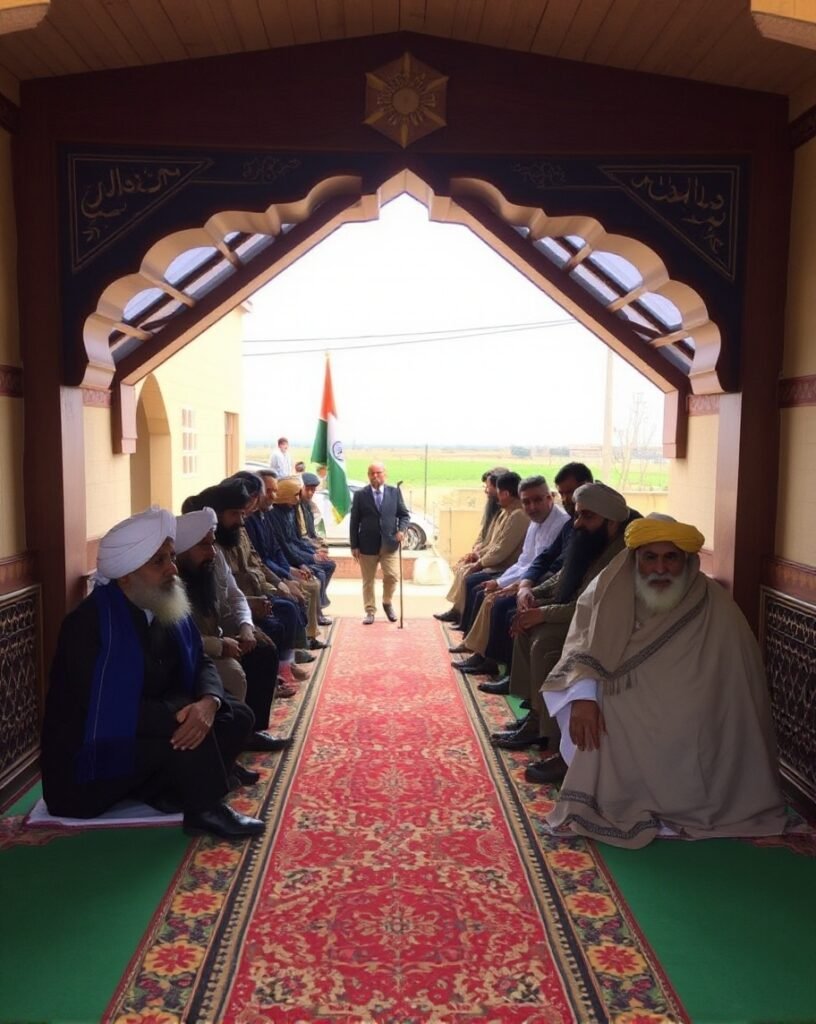
US’s top strategic partner and ally in South Asia is finally developing ties with Taliban government in Kabul. India’s latest overture to the Taliban regime in Kabul marks a significant step in a complex, shifting diplomatic landscape, reflecting broader global trends of re-engagement with the Afghan Taliban. The meeting on November 5 between J.P. Singh, Joint Secretary at the Indian Ministry of External Affairs, and Afghanistan’s acting Defence Minister Molvi Muhammad Yaqoob Mujahid, signals a cautious yet deliberate engagement strategy.
India and China Complete Troop Withdrawal, Opening Path to Renewed Bilateral Ties
This meeting, along with Singh’s discussions with acting Foreign Minister Amir Khan Muttaqi and former President Hamid Karzai, suggests a measured but evolving diplomatic approach as India weighs its options in dealing with a group it has long viewed with skepticism.
The context for India’s outreach stems from multiple intersecting considerations: regional security dynamics, economic interests, humanitarian concerns, and global diplomatic currents. These factors are not unique to India; other global and regional powers such as China and Pakistan have already been navigating similar pathways of engagement with the Taliban. By exploring these diplomatic ties, India aims to carve out a role in shaping Afghanistan’s future, ensuring stability and safeguarding its interests.
Context and Motivations for India’s Engagement
India’s history with Afghanistan is marked by extensive investments in infrastructure, education, healthcare, and governance reform during the two decades of U.S.-backed governance. For New Delhi, a cooperative relationship with Kabul is more than a diplomatic priority; it is a vital part of its regional strategy. Afghanistan’s strategic location, bordering Central Asia, South Asia, and China, means stability in Kabul has ripple effects across the region.
Indian diplomat meets Taliban ministers, ex-president Karzai
This engagement thus reflects a pragmatic move by India to recalibrate its approach, navigating between its historical commitment to Afghanistan’s democratic governance and current geopolitical realities.
India’s willingness to engage is driven by several motives:
- Counterbalancing Pakistan’s Influence: Pakistan has historically held sway over the Taliban due to shared ethnic and ideological roots. By opening channels with the Taliban, India seeks to balance Islamabad’s influence and prevent Afghanistan from becoming a staging ground for anti-Indian activities.
- Security Concerns: India has deep-rooted concerns about cross-border terrorism, particularly groups such as the Lashkar-e-Taiba (LeT) and Jaish-e-Mohammed (JeM), which have operated in Afghanistan in the past. Engagement with the Taliban provides an opportunity to press for a commitment to rein in these groups.
- Humanitarian Assistance and Development Efforts: Following the Taliban’s return to power, Afghanistan has faced severe economic distress and a humanitarian crisis. India has consistently maintained that it prioritizes humanitarian assistance for Afghans, demonstrated by multiple aid consignments of food, medicine, and COVID-19 vaccines.
- Geopolitical Realignment: India’s engagement reflects an acknowledgment that isolating the Taliban is neither practical nor feasible. While the Taliban’s human rights record and governance style raise concerns, realpolitik considerations — including China’s growing influence in Afghanistan — prompt India to engage cautiously yet purposefully.
Meeting Dynamics and Key Takeaways
The meeting between J.P. Singh and Molvi Muhammad Yaqoob Mujahid underscores India’s diplomatic balancing act. The reported focus on bilateral ties and humanitarian cooperation aligns with India’s stated priorities of people-centric engagement, but it also reveals strategic intent.
Trump’s Return: What It Means for China in the New Cold War with the U.S.
The presence of Amir Khan Muttaqi, a key Taliban figure often seen as a bridge between hardliners and moderates within the regime, signals that both parties are exploring more substantive interactions. Discussions with Hamid Karzai, a veteran political leader, further highlight India’s attempt to maintain ties across the political spectrum in Afghanistan, not solely with the Taliban.
This is particularly significant given the Taliban’s attempts earlier this year to replace the Afghan ambassador to India, signaling their desire to solidify diplomatic relations. India’s refusal to recognize the Taliban regime formally — a stance aligned with the international consensus — creates inherent tension. Yet, these discussions indicate that India sees the necessity of keeping diplomatic channels open.
Comparisons with China and Pakistan
India’s evolving engagement with the Taliban mirrors and diverges from the approaches taken by China and Pakistan. Both nations have engaged the Taliban with an emphasis on mutual security and economic interests. China’s focus has been on regional stability and safeguarding its Belt and Road Initiative (BRI) projects, including those in Pakistan, and minimizing security threats emanating from groups such as the East Turkestan Islamic Movement (ETIM).
Pakistan’s engagement has been more multifaceted due to its historical connections with the Taliban. Islamabad has sought to leverage this relationship to secure its western border, influence Afghanistan’s governance, and gain strategic depth. Yet, tensions have surfaced as Pakistan grapples with security challenges posed by the Tehreek-e-Taliban Pakistan (TTP), showcasing the complexities of its ties with the Taliban regime.
In contrast, India’s engagement remains more guarded and driven by security concerns, economic considerations, and humanitarian needs rather than ideological alignment. India’s approach seeks to minimize security risks while exploring avenues to contribute positively to Afghanistan’s rebuilding process.
Challenges and Future Prospects For India
While India’s engagement signals a pragmatic shift, challenges abound. The Taliban’s human rights record, particularly concerning women’s rights, religious freedom, and governance style, poses significant ethical dilemmas. India, like other nations, grapples with the conundrum of balancing engagement with principled stances on human rights and governance.
Further complicating matters, Afghanistan remains a fragile state with internal divisions within the Taliban and emerging threats from Islamic State Khorasan (ISIS-K). India’s outreach must navigate these dynamics carefully to avoid entanglement in Afghanistan’s volatile politics.
Despite these challenges, the willingness of both sides to strengthen bilateral relations reflects a recognition of mutual interests. While formal recognition may be a distant possibility, continued engagement could foster conditions for stability and cooperation. By maintaining dialogue with the Taliban while upholding its principles, India can play a constructive role, aligning humanitarian efforts with long-term regional stability.
Conclusion
India’s meeting with Taliban leaders in Kabul, along with its broader diplomatic efforts, signifies a significant shift in its approach to Afghanistan. As the international community grapples with how best to engage with the Taliban, India’s efforts reflect a nuanced balancing act — driven by strategic, security, and humanitarian considerations. While risks remain, dialogue offers a pathway to influencing Afghanistan’s trajectory positively and ensuring that its territory does not become a breeding ground for regional instability. By engaging on its own terms, India seeks to safeguard its interests, foster stability, and support the Afghan people in these challenging times.