


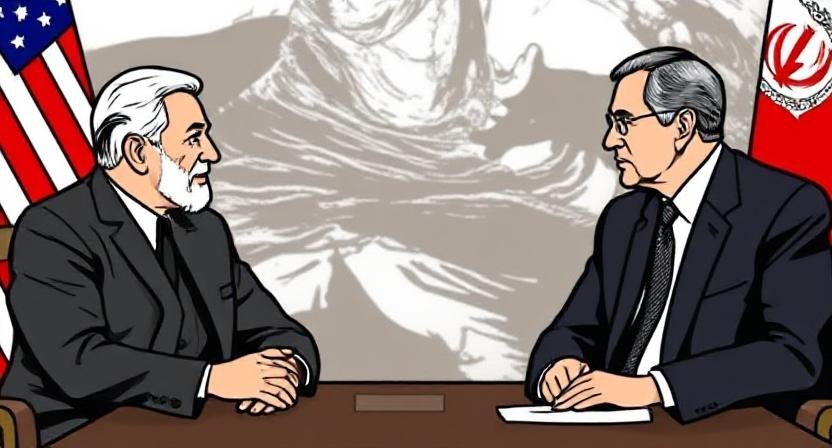
- Historic Contact Established: U.S. and Iranian officials have engaged in direct communication for the first time since the Israel-Iran conflict erupted.
- Tehran Rejects Diplomacy: Iran’s foreign minister declared there will be no talks until Israeli aggression halts completely.
- Geneva Diplomacy Underway: European foreign ministers are meeting Iranian officials in Switzerland, with quiet backing from Washington.
- China’s Limited Leverage: Despite strategic interests, China remains restrained, focused on evacuations and muted diplomatic appeals.
In a dramatic turn in the ongoing Middle East crisis, American and Iranian officials have established direct contact for the first time since the Israel-Iran war erupted last week — a significant development that marks a subtle shift in diplomatic posture from both sides. However, Tehran swiftly dashed hopes for de-escalation, declaring that it is not interested in any negotiations until Israeli airstrikes come to a complete halt.
The quiet outreach — facilitated by European mediators — comes as President Donald Trump publicly confirmed on Thursday that he would delay his decision on launching U.S. military strikes against Iran’s nuclear infrastructure by up to two weeks, citing a “substantial chance of negotiations.”
Still, Iranian Foreign Minister Abbas Araghchi dismissed the prospect of dialogue. Speaking to the state-run IRIB television on Friday, Araghchi said, “We have clearly said that there is no room for talking until this aggression stops.” His remarks came just hours before a scheduled meeting in Geneva between Iranian officials and European foreign ministers — a summit Washington is quietly coordinating with behind the scenes.
Exclusive: Trump to Decide on Iran Strike Within Two Weeks, White House Confirms
The developments unfolded as Israel intensified its military campaign inside Iran, striking multiple targets across Tehran, Tabriz, and Kermanshah on Friday. In retaliation, Iranian drones reportedly struck civilian infrastructure in southern Israel, damaging an office building in a tech park.
Despite the flickers of back-channel communication, Iran’s political leadership showed no signs of softening its stance. Supreme Leader Ayatollah Ali Khamenei, in a speech quoted by regime loyalists, vowed continued resistance, saying Israel would be “miserable and humiliated” in its aggression.
Public anger in Iran also surged on Friday. During mass prayers at Tehran University, thousands flooded the surrounding streets after the campus reached capacity. Protesters stomped on Israeli flags and held banners with Khamenei’s quote. Iran’s semi-official Tasnim News Agency described the rally as one of the largest in recent years.
READ MORE: European ministers to meet for Iran talks as Trump cites chance for diplomacy
The attempt at diplomacy, led mainly through European intermediaries, comes amid deepening geopolitical entanglements. China, Iran’s strategic partner and a major oil importer, has been notably cautious. After President Xi Jinping held a phone call with Russian President Vladimir Putin on Thursday, Beijing reiterated its call for a cease-fire but stopped short of criticizing Israel or the U.S. directly.
China’s measured stance underscores its limited leverage in this crisis, despite its interests. Nearly half of China’s oil imports transit through the Strait of Hormuz, placing Beijing in a vulnerable position if the war spirals further. Analysts believe that while China is unlikely to defend Iran militarily, it may offer rhetorical and logistical support, including humanitarian aid.
“The reality is they don’t actually have the capability to insert Chinese forces to defend Iran’s installations,” said Zack Cooper, a senior fellow at the American Enterprise Institute. “What they would prefer to do is very quietly provide some material support, some rhetorical support and maybe some humanitarian aid.”
Wang Yi, China’s top diplomat, has made multiple calls to regional counterparts, including Israel and Oman. Though Beijing has voiced opposition to Israeli strikes, it has refrained from strong condemnation. Its primary focus appears to be the evacuation of more than 1,000 Chinese nationals from both Israel and Iran.
Despite the diplomatic flurry, the potential for a wider regional war looms large. President Trump’s decision to delay — not abandon — a possible military strike has kept tensions high. Observers say the U.S. is weighing the military option carefully, especially given the risks of entangling itself in another prolonged Middle Eastern conflict.
For now, the U.S.-Iran direct contact — though historic in this context — appears limited in scope and unlikely to bear fruit unless the battlefield dynamics shift significantly. Tehran has drawn a hard red line: no talks under fire.
Whether this rare engagement will evolve into a genuine opening or collapse under the weight of missile fire remains to be seen.