


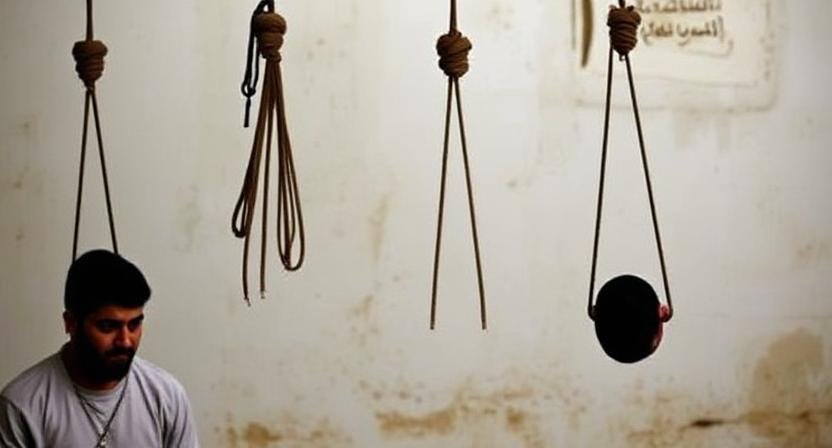
- Iran executed three men on Wednesday — Azad Shojaei, Edris Aali, and Iraqi national Rasoul Ahmad Rasoul — over alleged espionage for Israel.
- The executions took place in Urmia Prison, West Azerbaijan province, with authorities claiming the men smuggled “assassination equipment” into Iran.
- This brings the total to six executions for suspected spying since June 16, amid a broader crackdown linked to the recent Iran-Israel war.
- Amnesty International and activists warn of a possible wave of politically motivated executions as Tehran tightens internal security post-ceasefire.
DUBAI — Iran has executed three more individuals accused of spying for Israel, state-run IRNA reported Wednesday, bringing the total number of espionage-related executions to six since mid-June. The latest hangings mark a chilling acceleration in Tehran’s crackdown amid heightened tensions with Israel.
The executions took place early Wednesday morning at Urmia Prison, located in Iran’s West Azerbaijan province near the Turkish border. Iranian authorities identified the executed men as Azad Shojaei, Edris Aali, and Rasoul Ahmad Rasoul, the latter of whom was an Iraqi national. All three were charged with working with Israeli intelligence and smuggling what the judiciary described as “assassination equipment” into the country.
According to Iran’s judiciary, the trio had been arrested in connection with attempts to aid Israeli military efforts during the recent war between the two regional rivals. While details of their cases remain limited, Iranian state media alleged that the group had received orders and equipment through regional proxies linked to Mossad.
The Islamic Republic has now executed six people on espionage charges related to Israel since June 16, just days after a U.S.-brokered ceasefire brought an uneasy calm to the region. Human rights organizations, including Amnesty International, had earlier warned that these men were at imminent risk of execution and criticized the opaque nature of Iran’s judicial process.
The international response to Iran’s hangings has been swift and critical. Human rights organizations condemned the executions as politically motivated, urging transparency and due process. Western governments expressed concern over the lack of fair trials, while regional analysts warned that such actions could escalate tensions and deepen Iran’s diplomatic isolation.
In a statement last week, Amnesty said: “Iran must immediately halt these executions, which appear to be politically motivated and carried out following unfair trials.”
The Iranian government, however, continues to defend the executions as necessary for national security. Authorities claim that Israeli operatives sought to exploit wartime chaos to infiltrate Iranian territory and assassinate high-level targets.
The hangings follow weeks of devastating Israeli airstrikes that pummeled Tehran and other cities during the height of the conflict. With a fragile truce now in effect—negotiated by former U.S. President Donald Trump—many Iranians are attempting to return to normalcy.
Also Read: How the U.S, Iran Clash Is Reshaping the Middle East: Key Impacts on Energy, Markets, and Regional Stability
On Wednesday, state media reported traffic congestion on highways leading to the capital, as thousands of people returned from the Caspian Sea region and rural areas where they had sought refuge during the air raids.
Despite the relative calm, tensions remain high inside Iran. The judiciary issued a stern warning on Sunday, calling on citizens who may have collaborated with foreign intelligence services to surrender within days or face prosecution. That move, activists fear, could signal a coming wave of political arrests and further executions.
Iran has long accused Israel of carrying out covert operations inside its territory, including assassinations of nuclear scientists, cyber sabotage, and supporting separatist groups. Israel rarely confirms or denies such actions, but senior Israeli officials have openly advocated for continued pressure on the Islamic Republic.
As the region watches warily, analysts caution that Iran’s use of capital punishment in the name of counterintelligence may further isolate Tehran diplomatically and inflame domestic dissent.