


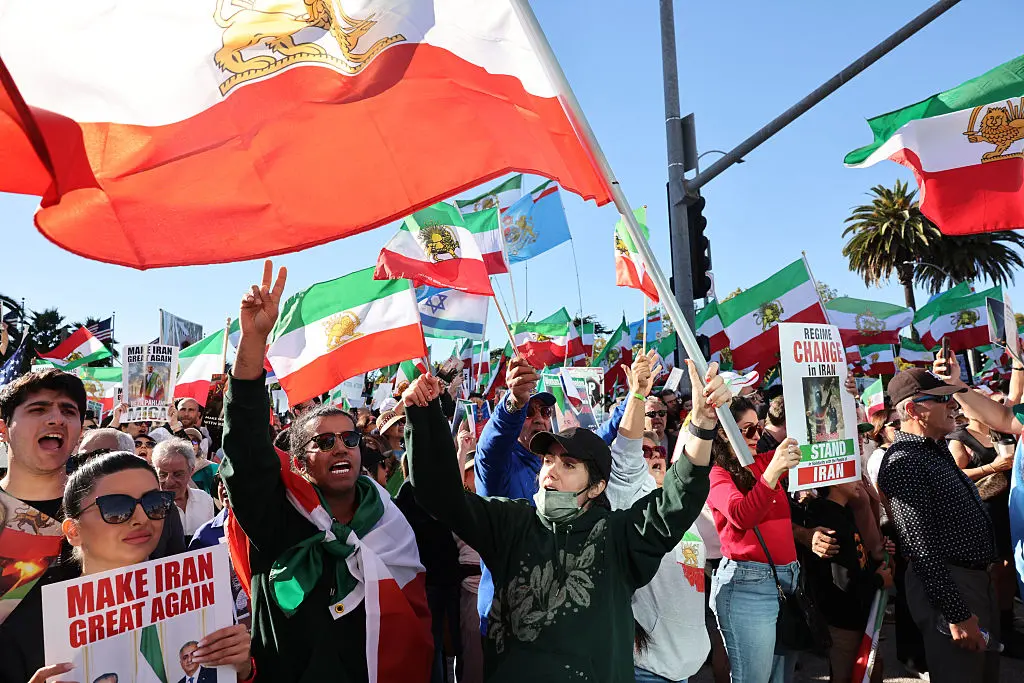
- Iran protests sparked by economic collapse spread across all 31 provinces with over 100 cities witnessing unprecedented demonstrations demanding regime change and challenging Supreme Leader Khamenei’s authority.
- Government crackdown results in massive casualties with human rights organizations documenting between 2,677 to potentially 20,000 deaths, over 18,000 arrests, and widespread use of live ammunition against protesters.
- Internet blackout and digital resistance imposed January 8 failed to completely silence protesters who utilized VPNs and Starlink to smuggle videos showing violent clashes and defiant crowds across major cities.
- Regional powers adopt cautious stance as Gulf states, Turkey, and international bodies navigate tensions between supporting human rights and maintaining Middle East stability amid US-Iran escalation warnings.
The streets of Tehran, once thunderous with dissent, have fallen into an uneasy silence. After 19 days of unprecedented nationwide protests, Iran’s most significant civil unrest since the 1979 Islamic Revolution appears to be waning under the weight of a brutal government crackdown that has shocked the international community.
Iran Winter Uprising: Global Trade Shaken as Death Toll Surpasses 600
Economic Crisis Ignites Widespread Demonstrations
The catalyst for this explosive chapter in Iran’s history emerged on December 28, 2025, when demonstrators flooded Tehran’s historic Grand Bazaar. What began as protests against devastating economic conditions—including spiraling hyperinflation and the rial’s catastrophic collapse—rapidly transformed into a full-throated demand for regime change.
Death toll in Iran protests reaches 2,677: Human rights group
Within days, demonstrations spread like wildfire across all 31 provinces, engulfing over 100 cities. Protesters openly challenged Supreme Leader Ayatollah Ali Khamenei’s authority with chants of “Death to the dictator” and “Javid Shah” (Long Live the Shah). The reemergence of the pre-revolutionary Lion and Sun flag served as a powerful symbol of deeply rooted frustration with the current government.
Iran Protests & Devastating Human Cost Under Information Blackout
The regime’s response has been swift and merciless. Multiple human rights organizations have documented a staggering death toll, though exact figures remain contested due to a nationwide internet blackout imposed January 8.
The U.S.-based Human Rights Activists News Agency (HRANA) reports at least 2,677 deaths, including 2,478 protesters and 163 security personnel. Amnesty International has characterized the government’s actions as “mass unlawful killings on an unprecedented scale,” documenting security forces—including the Islamic Revolutionary Guard Corps (IRGC)—firing live ammunition and metal pellets from rooftops.
Iran protests and the Fragility of Force: Why Hundreds of Deaths Have Failed to Restore Order
Norway-based Iran Human Rights estimates over 3,428 fatalities, while unverified reports from regime insiders suggest numbers could reach 12,000-20,000. More than 18,000 arrests have been confirmed, with families reportedly forced to pay “bullet fees” to recover their loved ones’ bodies. Hospitals have become dangerous zones, with security forces raiding facilities to arrest wounded protesters.
Digital Resistance Despite Government Suppression
Despite the internet blackout, protesters have utilized VPNs and Starlink connections to smuggle footage to social media platforms. Videos circulating on X (formerly Twitter) show massive crowds in Tehran, Mashhad, and Shiraz confronting security forces, setting IRGC vehicles ablaze, and constructing barricades in defiant resistance.
Exiled Crown Prince Reza Pahlavi has emerged as a prominent voice among opposition figures, calling for sustained strikes and positioning himself as a potential monarchist alternative. His appeals for seizing city centers and preparing democratic transitions have resonated with protesters invoking memories of his father, the late Shah.
International Reactions and Regional Implications
The crisis has sent shockwaves through the Middle East and beyond. Former U.S. President Donald Trump threatened military action if killings continued, prompting Iranian warnings to neighboring countries—including Saudi Arabia, UAE, Turkey, and Qatar—that American military bases like Al Udeid could face retaliation.
Israel has expressed support for the protesters, with Prime Minister Benjamin Netanyahu praising their courage and hoping for regime change. However, regional powers have adopted more cautious stances.
Turkey has characterized the unrest as an internal matter while warning against potential Israeli interference. Gulf states, concerned about economic disruption and potential refugee influxes, have urged restraint from all parties, prioritizing regional stability over intervention.
The G7 and European Union are considering additional sanctions, though analysts warn that further escalation could destabilize the entire region.
Uncertain Future Amid Temporary Calm
As visible protests diminish under intense repression, the fundamental grievances driving Iran’s people to the streets remain unresolved. With morgues overwhelmed and defiance still simmering beneath the surface, Iran stands at a critical crossroads.
Whether this represents a temporary suppression or the prelude to more profound change remains unclear. What is certain is that the events of these 19 days have exposed deep fractures within Iranian society and complicated an already volatile regional landscape, leaving the world watching anxiously as this historic crisis continues to unfold.