


- Iran releases pilot identities allegedly linked to recent US and Israeli airstrikes, including the Kharg Island operation.
- Tehran claims the leak includes names, ranks, unit affiliations, and phone numbers obtained through cyber and intelligence operations.
- The disclosure marks a shift toward psychological and hybrid warfare targeting individual military personnel.
- Analysts warn the move could intensify tensions in the escalating US-Israel-Iran conflict and increase risks for coalition aircrews.
Tehran, March 14, 2026 – In a dramatic escalation amid the ongoing U.S.–Israel–Iran conflict, Iranian intelligence authorities have publicly disclosed what they claim are the personal identification details and phone numbers of pilots responsible for recent airstrikes on Iranian territory.
The move, announced through state-affiliated channels and rapidly circulating on social media, marks a bold and provocative step in Tehran’s asymmetric response to sustained aerial bombardment.
According to reports from Iranian state media and verified posts on X (formerly Twitter), the released information targets aviators—primarily from the U.S. Air Force and Israeli Air Force—who allegedly participated in precision strikes against Iranian targets. Among the operations cited is the high-profile U.S. raid on military installations at Kharg Island overnight.
That operation was publicly touted by President Donald Trump as having “totally obliterated” more than 90 military sites, including naval mine depots, missile bunkers, and IRGC coastal defense facilities. However, the strikes reportedly avoided Iran’s critical oil export terminal in order to prevent a wider global energy crisis.
Iranian officials described the disclosure as an intelligence triumph, claiming operatives assembled pilot profiles through a combination of intercepted communications, cyber operations, and human intelligence sources. The leaked data reportedly includes full names, ranks, unit affiliations, and direct contact numbers. Iranian media outlets also claimed that threatening messages had already been sent to some of the individuals.
Pilots Who Conducted Iran Strikes Invited to White House on July 4, Raising Security Concerns
Tehran framed the release as a warning that continued aggression would carry personal consequences. Officials portrayed the move as part of a broader strategy to deter participation in future strikes, echoing earlier Iranian tactics of publicly exposing adversaries in an attempt to sow fear.
The tactic has precedent. During the intense 12-day exchange between Iran and Israel in mid-2025, Iranian-linked hackers and intelligence units released personal details of Israeli drone operators and fighter pilots allegedly involved in strikes on Iranian nuclear facilities and command centers. The disclosures reportedly included names, addresses, family details, and satellite imagery of residences.
Those leaks reportedly targeted individuals such as Major Yael Ash of Israel’s Squadron 119 and others, raising fears of possible harassment, intimidation, or assassination attempts against military personnel and their families.
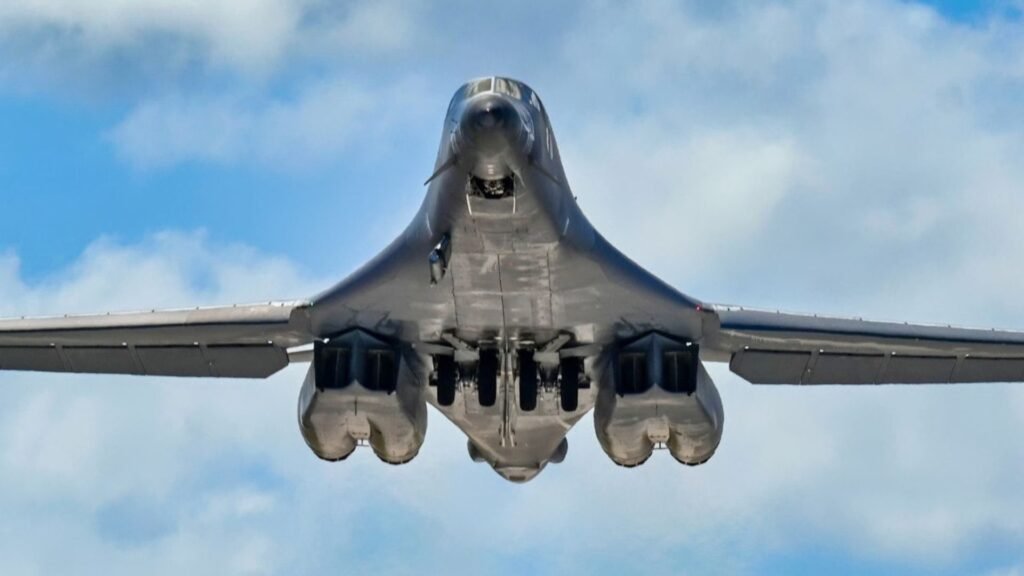
The latest disclosures appear aimed at exploiting vulnerabilities in the multinational air campaign against Iran. With U.S. B-2 stealth bombers, B-1 strategic aircraft, Tomahawk cruise missiles, and allied F-35 fighters repeatedly penetrating Iranian airspace, Tehran has struggled to intercept incoming aircraft using conventional air defense systems.
Analysts say Iran may therefore be shifting toward what some describe as “personal warfare.” By exposing individual pilots, Tehran could be seeking to impose psychological costs on those conducting operations against it, potentially including cyber harassment, intimidation of family members, or retaliation through proxy networks abroad.
Iranian state television has broadcast segments highlighting the alleged roles of these pilots in what it describes as “civilian-targeted bombings.” However, independent verification of the leaked information remains limited, and Western officials have dismissed many of the claims as propaganda or recycled data from earlier cyber intrusions.
The Pentagon and Israeli Defense Forces have not issued detailed comments on the specific disclosures. However, officials in Washington described the move as “classic Iranian intimidation tactics” designed to undermine morale among coalition aircrews.
Military pilots involved in active operations typically operate under strict anonymity protocols, but the public dissemination of phone numbers raises concerns about potential harassment campaigns. Past incidents—including Iranian hacker leaks involving Israeli defense personnel and alleged cash bounties for additional information—have prompted heightened security alerts and protective measures.
Analysts warn that the development could intensify the psychological dimension of the war. By publicly naming pilots, Iran appears to be signaling a willingness to blur the line between state-level military confrontation and personal targeting.
Such tactics could also place pressure on coalition partners. Gulf allies already concerned about Iranian threats to U.S.-linked facilities and disruptions to shipping in the Strait of Hormuz may face domestic scrutiny if pilots from their countries are drawn into the controversy.
As the conflict enters its third week—with oil prices volatile and global shipping routes disrupted amid fears of a blockade—Tehran’s disclosure adds a new and unsettling dimension to the crisis. Diplomatic avenues appear increasingly distant, and restraint from either side seems unlikely in the immediate future.
The pilots involved—ordinary service members carrying out military orders—have now been thrust into the center of a high-stakes geopolitical confrontation where personal safety has become part of the battlefield.
Iran insists the released information is accurate and has called on the international community to pressure the United States and Israel to halt their strikes. Whether the move leads to de-escalation or triggers further retaliation remains uncertain, but it highlights the growing shift toward hybrid warfare tactics that extend far beyond conventional weapons.