


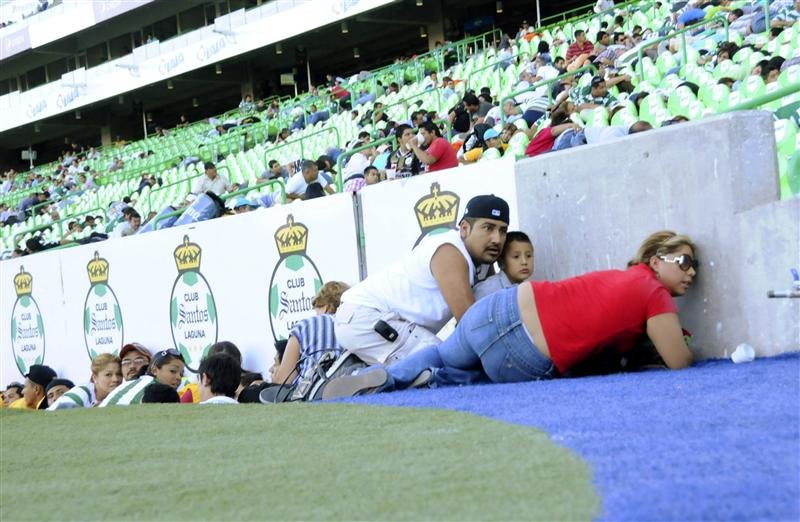
Salamanca, Mexico — A brutal armed attack on a community soccer field in the central Mexican city of Salamanca has left at least 11 people dead and 12 others injured, triggering nationwide shock and intensifying concerns over Mexico’s spiraling violence and fragile security environment.
According to Salamanca Mayor Cesar Prieto, a group of heavily armed assailants stormed a sports field in the Loma de Flores neighborhood late Sunday following a local match and opened fire on a social gathering. Among the wounded were a woman and a child, underscoring the indiscriminate nature of the assault.
Describing the incident as “regrettable and cowardly,” Prieto said in a Facebook post that the massacre reflected a severe social breakdown gripping the region. “This incident adds to a wave of violence that we are sadly experiencing in the state, and particularly in Salamanca,” he said. “Unfortunately, criminal groups are trying to subjugate the authorities, which they will not achieve.”
The attack has sent shocking waves across the nation, reigniting public outrage over Mexico’s ongoing struggle with organized crime and the government’s apparent inability to curb deadly violence. Images from the scene showed emergency responders rushing victims to nearby hospitals as shell casings littered the field where families had gathered just moments earlier for recreation.
G7 Summit 2025: Trade Tensions, Global Wars, and Tariff Talks Dominate High-Stakes Gathering
Authorities in the state of Guanajuato confirmed that a full-scale investigation is underway. The state attorney general’s office said it is coordinating with municipal, state, and federal security forces to strengthen patrols in the area, protect civilians, and track down those responsible.
“Those responsible will be found,” Mayor Prieto vowed, as security checkpoints were quickly established across Salamanca.
India and Pakistan Fuel South Caucasus Arms Race: Fighter Jet Deals with Armenia and Azerbaijan Escalate Tensions
A Region Gripped by Violence
Guanajuato, once known for its colonial cities and thriving tourism sector, has in recent years become one of Mexico’s most dangerous states. The region has turned into a battleground for rival drug cartels fighting for control of fuel theft routes, drug trafficking corridors, and local extortion networks.
Salamanca in particular has witnessed a sharp rise in homicides, targeted assassinations, and mass shootings. Criminal organizations frequently target public spaces, including bars, nightclubs, and now sports venues — places meant for community life and social cohesion.
High Stakes: Israel’s Gallant Seeks U.S. Support Amid Gaza Humanitarian Crisis
Security analysts say the violence is largely driven by turf wars between powerful criminal groups seeking dominance in central Mexico. Despite repeated government deployments of troops and national guard units, killings have continued at alarming rates.
“This is not an isolated incident,” said a local security expert speaking to regional media. “It is part of a broader pattern of criminal groups using terror to control territory and intimidate both citizens and authorities.”
Tourism Takes a Hit
The latest massacre is expected to deal another blow to Mexico’s tourism industry, already under pressure from recurring violence headlines. While popular destinations like Cancun and Los Cabos remain heavily guarded, attacks in central states have fueled perceptions of widespread insecurity.
Guanajuato’s historic cities, including Guanajuato City and San Miguel de Allende, once attracted millions of domestic and international visitors each year. However, rising crime has increasingly deterred travelers, hurting local businesses and livelihoods.
Local hotel owners and tour operators expressed fear that the Salamanca attack would further damage confidence in the region’s safety.
Turkey’s Balancing Act: Navigating Complex Relations with Russia and Ukraine Amid Ongoing Conflict
“Every time something like this happens, cancellations follow,” said one tourism worker in the state capital. “People are scared. Violence is no longer hidden — it’s happening in public spaces.”
Government Under Pressure
The massacre has intensified criticism of the federal government’s security strategy, with many Mexicans accusing authorities of losing control to criminal networks. President Andrés Manuel López Obrador’s administration has focused on addressing the root causes of crime through social programs, while limiting direct confrontations with cartels — a policy critics call ineffective.
Opposition leaders have labeled the Salamanca killings as further evidence of a crumbling security apparatus.
“The government is failing to protect its citizens,” one lawmaker said. “Criminal groups act with impunity, and communities are paying the price.”
Public frustration has been mounting as homicide rates remain stubbornly high across much of the country. Candlelight vigils were reported in Salamanca as residents mourned the victims and demanded justice.
Fear and Uncertainty
For families in Loma de Flores, the attack has shattered any sense of normalcy. What was meant to be a simple evening of sport and socializing turned into a scene of terror.
Residents described hearing rapid gunfire and seeing people run for cover. “It was chaos,” one witness told local media. “Children were screaming, people were bleeding. We never imagined something like this would happen here.”
As investigations continue, no motive has yet been officially confirmed. Authorities have not disclosed whether the attack was linked to organized crime, though the region’s history suggests cartel involvement is likely.
For now, Salamanca joins the growing list of Mexican cities scarred by mass violence — a grim reminder of the country’s ongoing security crisis, the deepening fear among citizens, and the urgent calls for effective action before more lives are lost.