


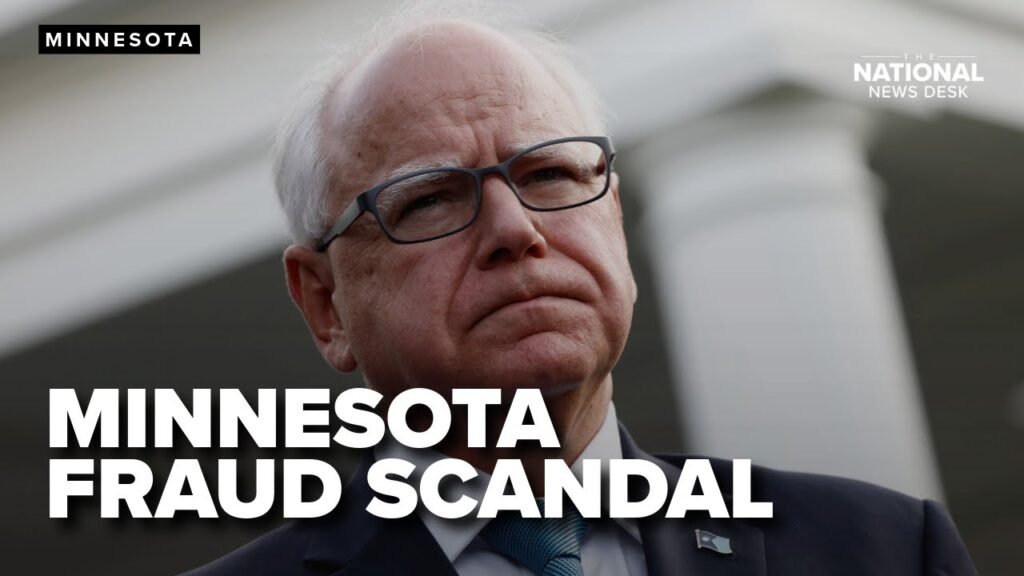
- Minnesota Fraud Scandal highlights a catastrophic breakdown in state auditing and oversight protocols.
- Oversight relied on self-reporting and automated approvals, creating massive blind spots for exploitation.
- Fragmentation between agencies allowed suspicious activity to remain hidden in plain sight for years.
- Whistleblowers were frequently sidelined or ignored, preventing the early detection of criminal activity.
Minnesota is once again confronting a familiar and uncomfortable truth: fraud on a massive scale rarely begins with criminal genius. It begins with procedural failure. It begins with institutions that stop asking questions. And it metastasizes when the people who do ask questions are ignored, sidelined, or punished. In fact, there should have been $9 billion worth of questions asked.
The latest scandal—another in a string of high-dollar fraud cases tied to state-administered programs—reveals a pattern that Minnesotans have seen before. Whether it was Feeding Our Future, childcare subsidy fraud, or the current wave of investigations, the through-line is unmistakable: the breakdown didn’t start with the criminals. It started with the auditors.
Somali Fraud Scandal: The $9 Billion Crisis Shaking Minnesota and the Nation
A System Built on Trust, Not Verification
Minnesota’s oversight structure relies heavily on self-reporting, automated approvals, and a patchwork of agency responsibilities. In theory, this creates efficiency. In practice, it creates blind spots wide enough to drive millions of dollars through.
The procedural failures fall into three predictable categories:
- Rubber-Stamp Auditing Audits were often limited to paperwork reviews rather than substantive verification. When providers submitted numbers that didn’t make sense—attendance figures that exceeded capacity, expenses that didn’t match operational reality—auditors flagged them but did not escalate. This is the classic failure mode: audits that check boxes instead of checking facts.
- Fragmented Oversight Minnesota’s agencies operate in silos. The Department of Human Services (DHS) oversees one set of programs, the Department of Education another, and the Office of the Legislative Auditor (OLA) is left to piece together the aftermath. In the current scandal, multiple agencies had partial visibility into the same providers, but no one had the full picture. That fragmentation allowed fraud indicators to hide in plain sight.
- A Culture of Deference Perhaps the most damaging failure was cultural, not procedural. Staff inside agencies repeatedly raised concerns—about suspicious billing, inflated attendance, and providers who seemed to appear overnight with no operational footprint. But instead of triggering investigations, those concerns were often dismissed as “administrative issues,” “cultural misunderstandings,” or “not worth the political risk.” This is where the system broke. Not at the point of fraud, but at the point of ignored warnings.
Russian Ambassador Urges De-escalation: Kremlin Realism: Why Russia is Buffering Bangladesh-India Tensions Ahead of 2026
Where the Auditing Breakdown Became Catastrophic
The scandal’s core vulnerability was the state’s reliance on trust-based auditing—a model that assumes providers are honest unless proven otherwise. That model collapses the moment a bad actor enters the system.
Three specific breakdowns accelerated the fraud:
- No Real-Time Cross-Checking Providers could bill for services without real-time verification against attendance logs, staffing levels, or capacity limits. Auditors reviewed data months later, long after the money was gone.
- Failure to Validate Documentation Invoices, receipts, and attendance sheets were accepted at face value. In several cases, documents were obviously templated, duplicated, or mathematically impossible. Yet they passed through multiple layers of review.
- Lack of Escalation Protocols Even when auditors flagged anomalies, there was no mandatory escalation to the Minnesota Bureau of Criminal Apprehension (BCA) or the Attorney General’s Office. The system treated fraud indicators as administrative errors rather than criminal red flags. This is the procedural equivalent of smelling smoke and checking the thermostat instead of calling the fire department.
Musk, Cruz react to internet sleuths looking for fraud following Minnesota scandal
How Whistleblowers Could Have Stopped It
This is where the lens in framing becomes essential. Because the truth is simple: the fraud could have been stopped early if whistleblowers had been empowered instead of sidelined.
Minnesota had employees who saw the patterns. They saw the numbers that didn’t add up. They saw the providers who were billing like industrial operations while operating out of strip-mall suites.
But whistleblowers face three barriers that are as predictable as the fraud itself:
- Fear of Retaliation Minnesota agencies have a long history of internal whistleblowers being reassigned, isolated, or pushed out. When the cost of speaking up is your career, silence becomes policy.
- No Direct Reporting Path to Investigators Whistleblowers had no protected channel to the BCA, the Inspector General, or the Attorney General. Their concerns were filtered through supervisors who often had political or administrative incentives to downplay them.
- Lack of Legal and Cultural Protection Minnesota’s whistleblower statute exists on paper, but in practice, employees know that protection is inconsistent and often symbolic.
The system didn’t fail because people didn’t see the fraud. It failed because the people who saw it weren’t allowed to act.
The Lesson Minnesota Can’t Ignore
Fraud is not a mystery. It is a math problem. It is a pattern. It is a deviation from operational reality. And Minnesota had the data, the staff, and the early warnings to stop this scandal before it grew.
What it lacked was the procedural backbone to act on those warnings.
If Minnesota wants to prevent the next scandal—and there will be a next scandal unless something changes—it must rebuild its oversight culture around three principles:
- Verification over trust
- Escalation over deference
- Protection over silence
Because the truth is this: whistleblowers are not the last line of defense. They are the first. And when a system refuses to hear them, fraud is not an accident. It is an inevitability.