


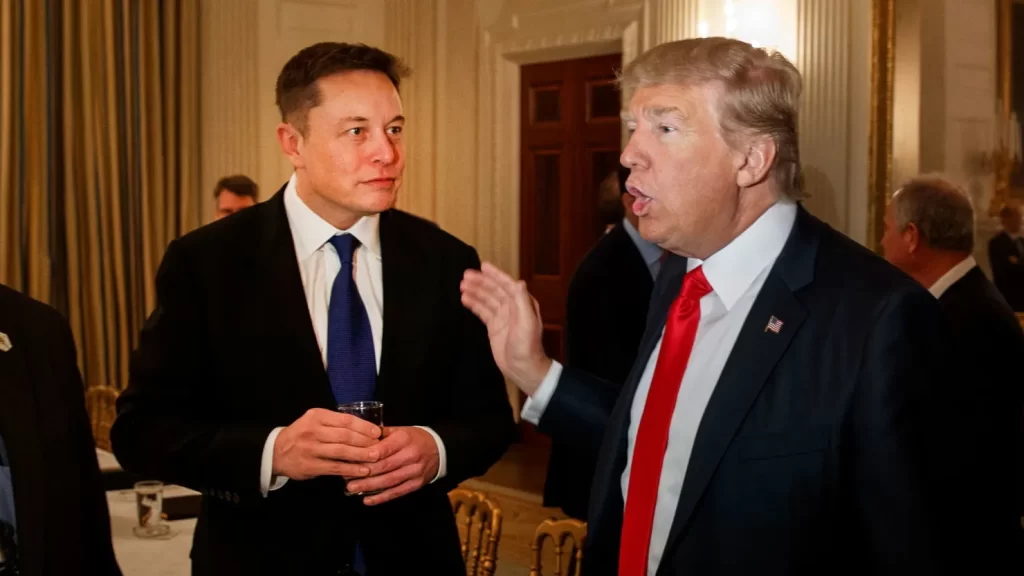
- Unprecedented Influence: Elon Musk is leveraging his immense wealth and control over social media to manipulate the 2024 presidential race in Donald Trump’s favor.
- Legally Dubious Tactics: Musk’s controversial voter registration lottery in swing states is raising ethical and legal concerns about vote-buying in the election.
- Weaponized Misinformation: Under the guise of free speech, Musk’s platform X has become a megaphone for spreading conspiracy theories and undermining Democrats.
- Unchecked Power: With business interests tied to federal contracts and space exploration, Musk’s unaccountable influence on U.S. politics poses a serious threat to democracy
In the tangled web of American politics and business, the alliance between Donald Trump and Elon Musk has reached a new height, sparking concerns about the intersection of wealth, power, and democracy. Once skeptical of Trump’s leadership abilities, Musk has morphed into one of the former president’s most vocal supporters as the 2024 presidential election looms. The world’s richest man, long known for his disruptive ventures in technology and space, has now embedded himself in Trump’s campaign, using his influence and resources in ways that blur the line between democratic engagement and manipulation.
Musk Endorses Trump:
Musk’s endorsement of Trump is not just a financial arrangement—a routine affair in American elections where billionaires from both sides often finance candidates. Kamala Harris, the Democratic candidate, has her share of wealthy backers as well. But Musk’s involvement goes beyond writing checks. He has become a pivotal figure in Trump’s campaign, using questionable methods to influence the election, while amplifying conspiracy theories through his vast social media empire.
Musk gets people’s support as he asks Twitter users to pay for ‘Blue Tick’,
The tactics employed by Musk are the first cause for concern. Appearing at a Trump rally in Pennsylvania in early October, Musk promoted a $1 million daily lottery to incentivize voter registration. This initiative, taking place in one of the swing states that will likely decide the election, is legally dubious. Offering cash rewards to encourage participation in the democratic process could easily be construed as vote-buying, raising questions about the ethics of using such tactics to sway an election outcome.

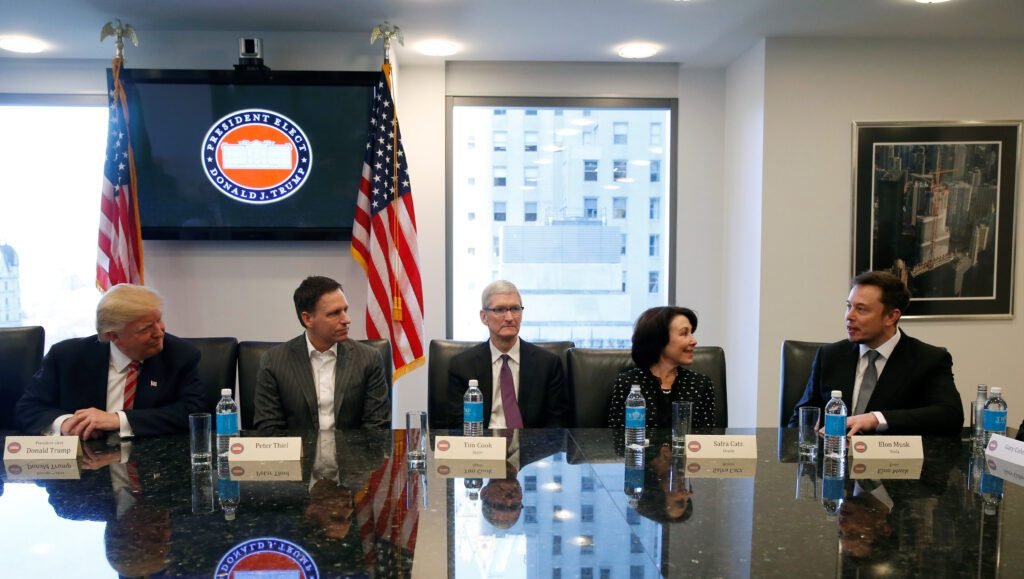
More worrisome, however, is Musk’s control over social media and the way he wields it to shape the narrative in favor of Trump. After acquiring Twitter (now rebranded as X) in 2022, Musk has steadily transformed the platform into a megaphone for Trump’s campaign. While presenting himself as a champion of free speech, Musk has allowed X to become a fertile ground for misinformation, disinformation, and slander, primarily directed at Democrats. When hurricanes Helene and Milton ravaged parts of the U.S., X was flooded with false narratives about the federal government’s response, creating a storm of misinformation that ultimately benefited Trump.
Influence of Musk in Presidential Election:
As the 2024 presidential race heats up, the influence of X in the political arena is undeniable. While much of the campaign may be fought in traditional arenas like rallies, debates, and advertisements, Musk’s role in weaponizing his platform to amplify Trump’s message and undermine his opponents is a major factor. The transformation of X into what some critics describe as an “unofficial mouthpiece” for Trump undermines the platform’s potential as a space for open dialogue and balanced discourse. Instead, it has become a tool for spreading divisive rhetoric and fueling conspiracies, much of it aimed at discrediting the Democratic Party.

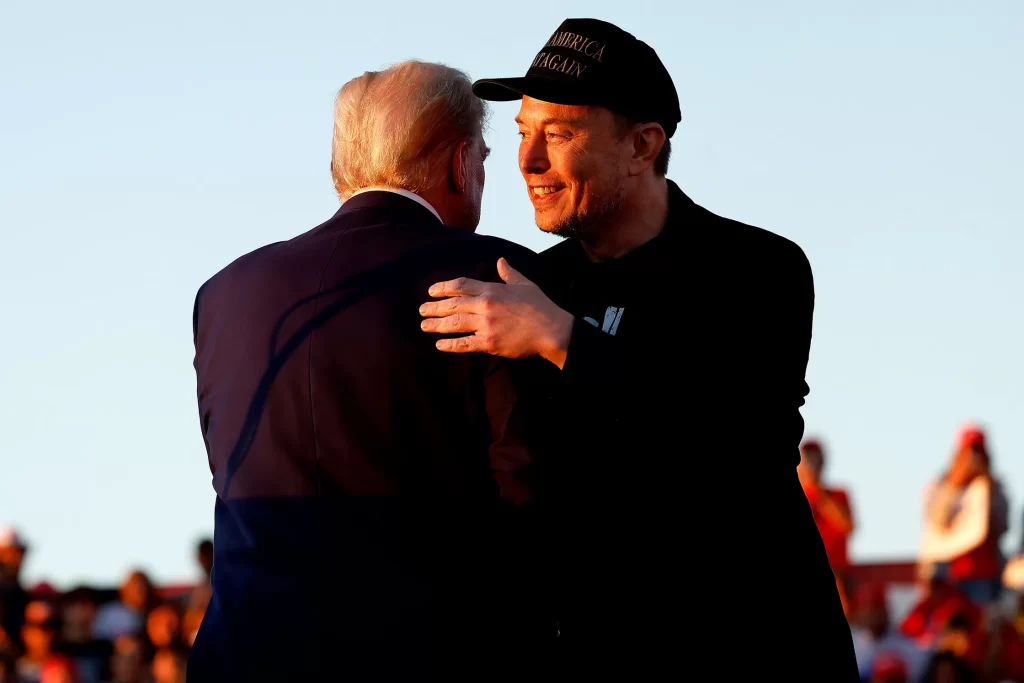
This becomes especially troubling when considering the kind of narratives Musk is helping propagate. For example, one of the central themes that Trump and his supporters—now including Musk—promote is the idea that the current immigration system is designed to bring in future Democratic voters to “steal” elections. This claim, devoid of any credible evidence, has roots in xenophobia and conspiratorial thinking. The fact that Musk, a South African immigrant who embodies the American Dream, has aligned himself with this kind of rhetoric is not only surprising but deeply concerning. It signals a shift in Musk’s public persona—from a tech visionary to a political agitator—using his platform to legitimize fringe ideas.
Musk’s transformation into a Trump ally cannot be understood without recognizing the business interests that underlie his political involvement. It would be naive to believe that Musk’s support for Trump stems purely from ideological conviction. Rather, Musk’s backing is likely driven by the vast financial and regulatory interests that intersect with federal policy, particularly in sectors where his companies, such as SpaceX, Tesla, and Starlink, are major players. Under a Trump presidency, Musk could secure favorable conditions for his businesses, from lucrative federal contracts to potential regulatory rollbacks that might benefit Tesla or SpaceX. In recent years, SpaceX has become a crucial partner for NASA and the Pentagon, securing multi-billion-dollar contracts for space exploration and defense initiatives.
Musk’s problematic support for Trump
Musk’s involvement in defense extends beyond contracts, however. His Starlink satellite network, which played a vital role in Ukraine’s communications infrastructure during its conflict with Russia, has demonstrated the profound influence Musk can wield in international affairs. The reliance on Starlink raised questions about the degree to which a private individual should have control over such a critical communication tool during times of war. While Musk’s support of Ukraine was initially hailed as philanthropic, subsequent reports revealed his reluctance to allow the network’s full use in military operations, hinting at the broader geopolitical power he holds.
Beyond military and federal contracts, Musk’s long-term interests lie in the uncharted domains of artificial intelligence (AI) and the commercialization of space—areas where government policy and oversight will play a critical role in shaping the future. The decisions made by the next president could significantly affect the trajectory of these industries, and Musk, with his deep financial investment and technological expertise, stands to benefit from shaping those policies. A second Trump term could provide Musk with unparalleled access to the levers of power, further blurring the line between public policy and private profit.
As the election draws nearer, the implications of Musk’s political involvement become clearer. The billionaire’s entry into Trump’s orbit signals the growing threat of unaccountable political power fueled by immense wealth. Musk’s ability to sway public opinion through his control of social media, his influence over federal contracts, and his investment in industries critical to national security and the future of technology makes him one of the most powerful figures in American politics—perhaps even more so than the candidates themselves.
This evolving dynamic between Trump and Musk raises fundamental questions about the health of American democracy. Can a system that allows the richest individuals to play kingmaker truly represent the will of the people? And as billionaires like Musk continue to merge their business empires with political influence, what kind of future are we creating—one where democratic ideals take a backseat to corporate interests? These are the stakes of the 2024 election, and they extend far beyond the immediate contest between Trump and Harris. They strike at the heart of the relationship between money, power, and the future of democracy in America.
Musk gets people’s support as he asks Twitter users to pay for ‘Blue Tick’,