


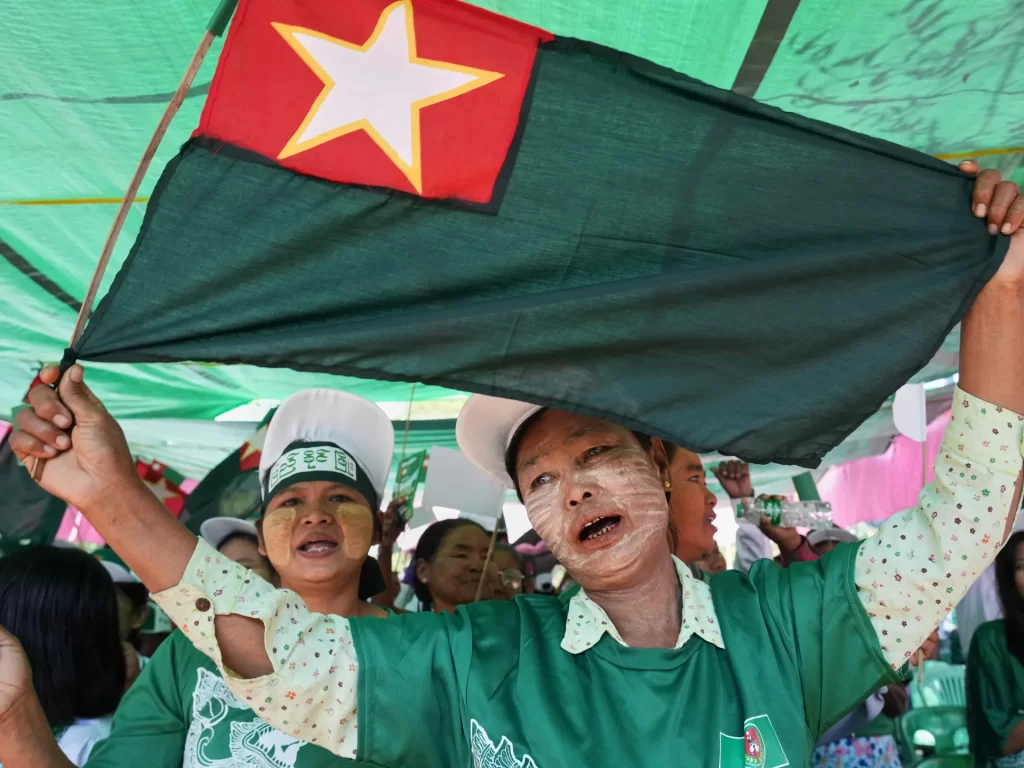
- Myanmar Elections saw the USDP secure a parliamentary majority after the final phase of voting on January 25.
- Government leaders described the Myanmar Elections as a successful return to constitutional stability.
- Opposition groups and the NUG rejected the Myanmar Elections results, alleging voter coercion and lack of inclusivity.
- The Myanmar Elections turnout was reported at 55%, with voting cancelled in nearly 65 conflict-affected townships.
The final phase of the 2026 Myanmar Elections concluded on January 25, 2026, marking a significant milestone in the country’s political transition. Over the past month, a three-stage electoral process has unfolded across the nation, resulting in what appears to be a decisive victory for the Union Solidarity and Development Party (USDP). As the Union Election Commission (UEC) prepares to release official final tallies, the narrative surrounding the vote remains deeply divided between government officials, political candidates, and opposition groups.
The View from the Government and Winners
For the military leadership and the USDP, the completion of the Myanmar Elections represents a vital step toward restoring constitutional order and stability. Senior General Min Aung Hlaing, head of the current administration, dismissed international criticism while visiting a polling station in civilian attire. He emphasized that the process belongs to the citizens of Myanmar, stating, “The people’s vote is the recognition we need.”
Government officials highlighted the logistical success of the vote, noting that polling occurred in roughly 265 out of 330 townships despite ongoing security challenges. The USDP, led by Chairman Khin Yi, has already claimed a majority in the lower house. A senior party official stated on Monday, “We won a majority already. As we won in the election, we will move forward to form a new government.” Supporters of the party celebrated in urban centers, viewing the result as a pragmatic path toward ending the economic stagnation that has plagued the country.
The Perspective of the Opposition
In contrast, the National Unity Government (NUG) and pro-democracy activists have characterized the Myanmar Elections as a fundamental departure from genuine democratic principles. They point to the dissolution of over 40 political parties, including the National League for Democracy (NLD), as proof that the playing field was not level.
Opposition groups have raised several specific concerns regarding the integrity of the process:
- Voter Participation: While the government reported a turnout of approximately 55%, opposition figures claim many citizens were coerced into voting through threats of losing state services or facing legal action under new election protection laws.
- Geographic Exclusion: Analysts note that voting was cancelled in about 20% of the country due to conflict, effectively disenfranchising millions of residents in rural and ethnic regions.
- Transparency: The use of new electronic voting machines was met with skepticism by the NUG, which alleged the technology could be used to monitor voter choices rather than ensure an accurate count.
A Nation at a Crossroads
The impact of the 2025 earthquake in Mandalay added a layer of humanitarian complexity to the Myanmar Elections. While the government pointed to the functioning of polling stations as a sign of resilience, critics argued that the focus on elections diverted resources from reconstruction. Economic indicators remain a central concern for all sides; the price of staples like rice and cooking oil has tripled over the last five years, and both the incoming government and its detractors agree that economic recovery is the most urgent priority.
Internationally, the response remains split. China and Russia have expressed support for the elections as a stabilizing measure for the region. However, ASEAN, currently chaired by the Philippines, has declined to certify the results, citing a lack of inclusive participation. As the new parliament prepares to convene in March 2026, the primary question remains whether this new political structure can bridge the deep internal rifts or if the cycle of contestation will continue.