


- Pakistan Cambodia trade shows strong potential with current exports of USD 29.2M and PTA negotiations underway.
- Trade projections suggest $100M+ bilateral trade by 2030 with tariff reductions and sectoral expansion.
- Key sectors for expansion include pharmaceuticals, textiles, leather, IT, machinery, and agro-products.
- Enhanced trade facilitation, investment collaboration, and financial integration can unlock sustainable economic growth.
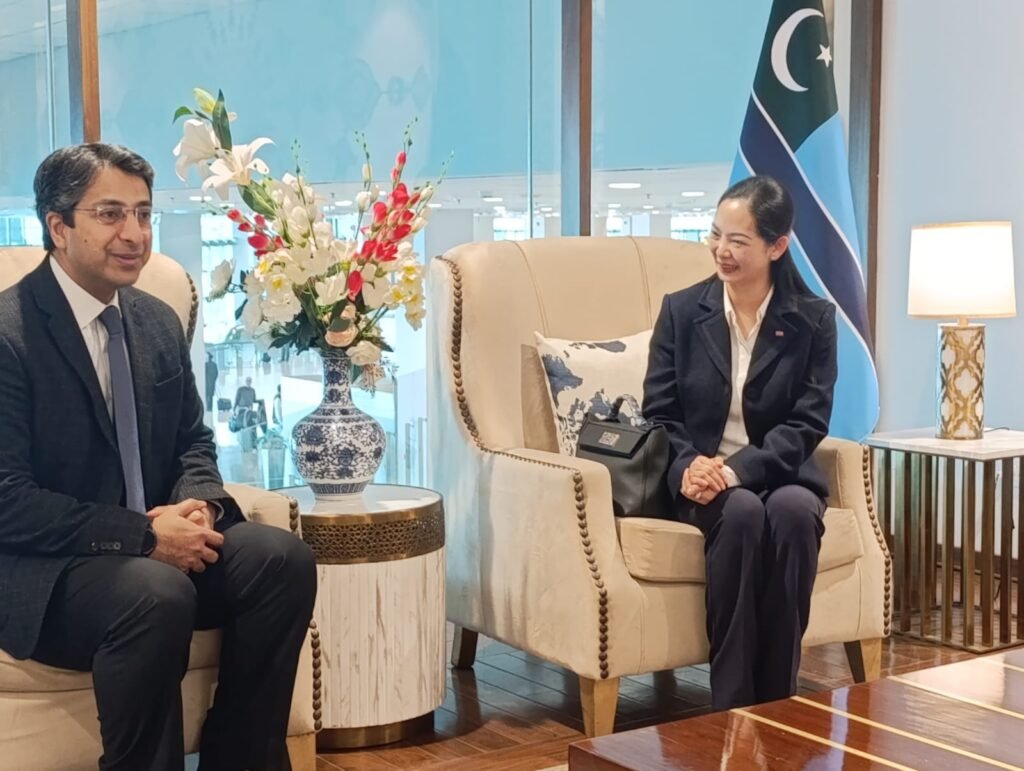
Islamabad, February 10, 2026 – Pakistan and Cambodia are set to advance their economic partnership as both countries prepare for the 2nd meeting of the Pakistan-Cambodia Joint Trade Committee (JTC) in Islamabad on February 10–11. Her Excellency Cham Nimul, Cambodia’s Minister of Commerce, is leading a senior delegation to co-chair discussions with Pakistan, aiming to formalize initiatives to boost trade, investment, and sectoral cooperation.
The JTC, first convened in Phnom Penh in January 2025, serves as the primary platform for coordinating bilateral trade policies, exploring preferential arrangements, and addressing structural trade barriers. During the inaugural session, both sides identified areas for collaboration in agriculture, textiles, pharmaceuticals, and customs procedures, while laying the groundwork for a Preferential Trade Agreement (PTA). This visit is expected to mark the official launch of PTA negotiations.
Bilateral trade between Pakistan and Cambodia remains limited but steadily growing. In FY 2024–25, Pakistan exported USD 29.2 million worth of goods to Cambodia, while imports stood at USD 4.7 million, resulting in a trade surplus of USD 24.5 million.
Key Pakistani exports include pharmaceuticals (USD 11.74 million), woven cotton fabrics (USD 5.23 million), cotton yarn (USD 2.72 million), and prepared leather goods. Cambodia’s exports to Pakistan are dominated by construction structures (USD 2.29 million), cocoa powder (USD 1.85 million), and select apparel items.
Economic analysts suggest that even modest tariff reductions under a PTA—around 10–15%—could expand bilateral trade by an additional USD 50 million within three years. Growth potential is particularly strong in pharmaceuticals, textiles, processed agricultural goods, and light manufacturing inputs.
Cambodia’s economy has expanded at approximately 6% annually, driven by tourism, manufacturing, and agro-processing, and it benefits from participation in the Regional Comprehensive Economic Partnership (RCEP) and multiple free trade agreements.
This positions Cambodia as a strategic entry point for Pakistan into broader ASEAN markets. Conversely, Cambodia’s growing consumer base and industrial sector demand provide opportunities for Pakistani exporters in processed foods, construction materials, and industrial machinery.
To enhance bilateral trade, policymakers and experts highlight several strategic priorities:
-
Diversifying Exports: Beyond textiles and pharmaceuticals, Pakistan could target IT services, machinery, and value-added agricultural products for Cambodian and regional markets.
-
Investment and Joint Ventures: Pakistani firms could invest in Cambodian manufacturing, agro-processing, and logistics sectors, leveraging technical expertise and capital.
-
Trade Facilitation: Streamlining customs procedures, improving port and logistics connectivity, and establishing direct shipping routes could reduce costs and increase competitiveness.
-
Financial Integration: Enhanced trade financing, insurance coverage, and local currency settlement mechanisms would reduce transaction risks and encourage private sector participation.
-
Capacity Building and Market Intelligence: Joint trade fairs, B2B meetings, and market analysis programs can foster informed business linkages and sustainable partnerships.
Pakistan’s engagement with Cambodia reflects a broader strategy to deepen economic ties across Southeast Asia and integrate with ASEAN markets. For international investors and trade analysts, the Pakistan-Cambodia partnership presents opportunities to combine Pakistan’s manufacturing and agricultural capabilities with Cambodia’s dynamic growth trajectory and regional trade networks.
The outcomes of the upcoming JTC meeting and PTA negotiations are expected to define a roadmap for expanded trade, deeper economic integration, and sustainable investment flows, positioning both nations to benefit from ASEAN’s rising economic influence.
With the launch of Preferential Trade Agreement negotiations, Pakistan-Cambodia trade is poised for substantial growth. Strategic sectors such as textiles, pharmaceuticals, IT services, and agro-processing offer high-value opportunities for bilateral investment and joint ventures.
Enhanced trade facilitation, financial integration, and direct logistics routes could boost commerce, potentially exceeding USD 100 million by 2030. This partnership positions Pakistan as a key ASEAN trade partner, creating sustainable economic benefits for both nations.