


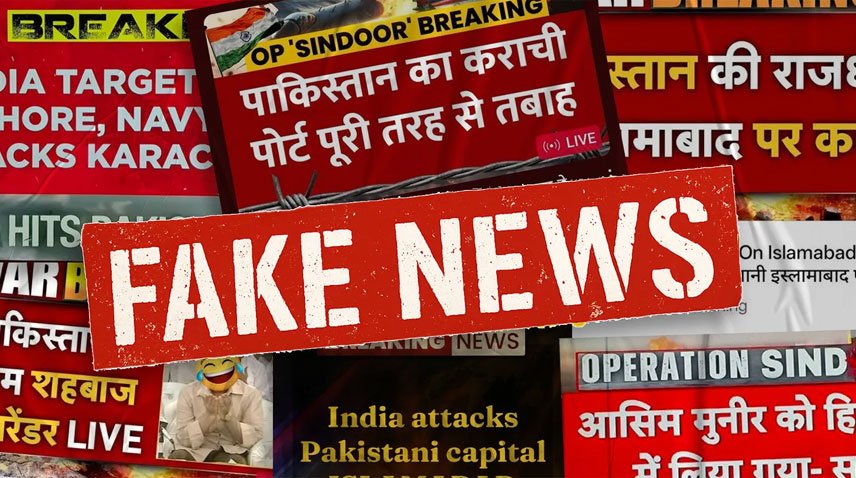
- Indian media’s portrayal of Pakistan-Turkey ties as a “deadly alliance” reflects sensationalism, not strategic analysis.
- Geeta Mohan’s rhetoric exemplifies how mainstream journalism is becoming a tool for Hindutva-driven foreign policy.
- Media-fueled paranoia contributes to a hyper-nationalist public discourse that equates diplomacy with weakness.
- Pakistan’s strategic ties with Turkey and China are rooted in pragmatism, not religious ideology or revisionist ambitions.
- The framing of Muslim-majority alliances as security threats reveals an undercurrent of Islamophobia in Indian media discourse.
- Diaspora communities risk absorbing this hostility, exporting Hindutva-driven paranoia into multicultural societies abroad.
In a volatile subcontinent already brimming with historic grievances and nuclear stakes, responsible journalism ought to serve as a bridge to understanding not a megaphone for militarism. Yet, India Today Executive Editor Geeta Mohan’s recent tweet warning of a “deadly alliance” between Pakistan and Turkey over Kashmir paints a sensationalist picture that is not only misleading but also dangerously reductive.
Her framing steeped in ideological paranoia, reflects a broader crisis within Indian media, where narratives are not informed by geopolitical nuance but by nationalism masquerading as analysis.
Labeling Pakistan-Turkey cooperation as some ideological crusade or “Islamist axis” is not only inaccurate, it also whitewashes the realpolitik underpinning their relationship. Defense collaboration, trade pacts, and strategic balancing in a region fraught with Indian hegemony are practical statecraft decisions not signs of a neo-Ottoman revival or Mughal nostalgia.
Global Growth on the Brink: Trump’s Tariffs Threaten Economic Stability
This reductionist lens diverts attention from the actual reasons states engage: sovereignty protection, economic diversification and regional balance of power.
Instead of facilitating public understanding, the Indian media, particularly outlets aligned with Modi’s Hindutva-driven narrative has become an echo chamber of hostility. With #Statecraft, Geeta Mohan’s reporting reads less like foreign policy journalism and more like a soft-power extension of the state’s narrative machinery.
Like her predecessors Arnab Goswami and Gaurav Arya, who were widely criticized for pushing disinformation, Mohan’s hyperbole promotes fear and suspicion rather than fostering informed dialogue.
READ MORE:How India’s media fueled misinformation during the India-Pakistan crisis
The recent India-Pakistan escalation shows the catastrophic risk of media-fueled belligerence. By stoking ideological fears about Turkey, China and Pakistan, Indian media helps shape a paranoid public discourse where engagement is seen as capitulation, and diplomacy as weakness. This leads to a foreign policy that is more performative than strategic aimed at appeasing domestic audiences rather than building regional peace.
Mohan’s tweet is not a lone act of journalistic overreach; it is a symptom of a deeper malady. When journalists repeatedly equate Muslim-majority nations with security threats and treat alliances as conspiracies, they reflect a broader xenophobic trend in Indian discourse. This Islamophobia does not remain confined within borders. The Indian diaspora, influenced by such narratives, risks importing intolerance into multicultural societies across the globe.
READ MORE:Nuclear Misinformation! Can You Imagine a Nuclear-Armed State Faking a Nuclear Attack? India Just Did
Pakistan’s partnerships with countries like Turkey and China are centered around mutual respect, infrastructure development, and regional peace-keeping, not ideological expansionism. The China-Pakistan Economic Corridor and military drills with Turkey are part of a modern strategic portfolio, no different in purpose than India’s ties with the United States, Israel or France. Selective outrage only reveals bias, not insight.
India’s real strength lies not in chest-thumping nationalism but in constructive diplomacy. It must abandon phobia-based geopolitics and embrace the complexity of regional dynamics. Journalists, especially those in influential positions like Geeta Mohan, have a responsibility to illuminate, not inflame. Mistrust cannot be the cornerstone of foreign policy and media should not serve as its loudest cheerleader.
The region needs cooperation, not crusades. If India truly seeks peace and stability, it must stop mistaking dialogue for danger and journalism for jingoism.