


- Pakistan protests after Khamenei assassination triggered nationwide unrest, with deadly clashes erupting near the US Consulate in Karachi.
- Government imposed curfews, Section 144 restrictions, and deployed Rangers and army units to contain escalating law-and-order challenges.
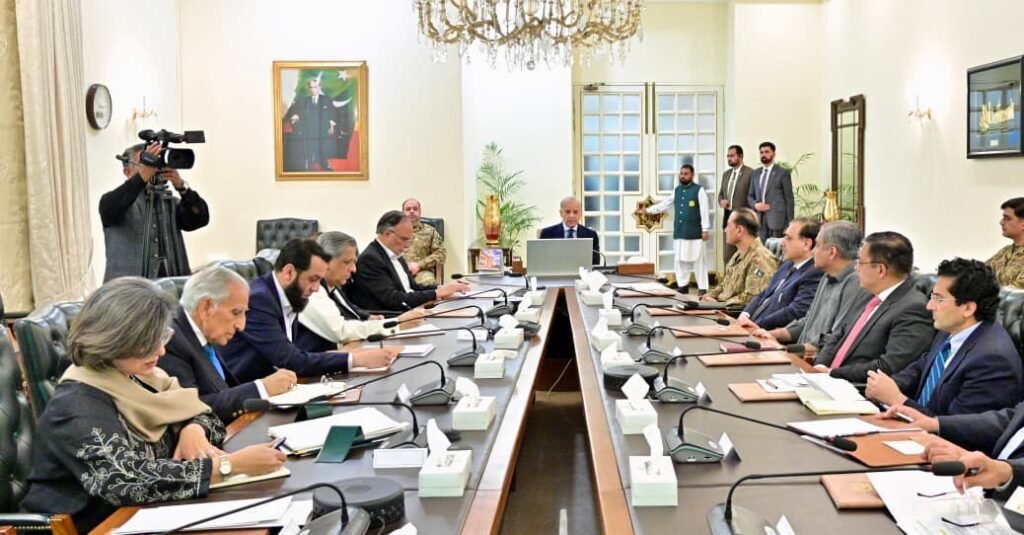
- Prime Minister Shehbaz Sharif postponed his Russia visit as domestic instability and regional tensions reshaped Pakistan’s diplomatic priorities.
- Demonstrations spread from major cities to Gilgit-Baltistan, where violence, road blockades, and attacks on public buildings underscored the crisis’ national scale.
Pakistan awoke on Sunday to a crisis that unfolded with startling speed — a geopolitical shock thousands of miles away rapidly transforming into a domestic law-and-order emergency. The assassination of Iran’s Supreme Leader, Ayatollah Ali Khamenei, in coordinated US-Israeli strikes triggered an emotional wave across Pakistan that evolved within hours from mourning gatherings into nationwide unrest, forcing authorities into emergency security measures and compelling Prime Minister Shehbaz Sharif to postpone a key diplomatic visit to Russia.
What began as expressions of solidarity quickly became one of the most volatile internal security situations Pakistan has faced in recent years — exposing the deep political, religious, and geopolitical linkages that bind Pakistan’s domestic stability to events in the wider Middle East.
A Shock That Reverberated Overnight
The news of Khamenei’s killing spread rapidly across Pakistani cities late Saturday night, amplified through mosques, religious networks, and social media. By dawn Sunday, protests had erupted simultaneously in Karachi, Lahore, Islamabad, and across Gilgit-Baltistan.

Government officials initially expected symbolic demonstrations. Instead, authorities confronted a surge of anger that overwhelmed local policing capacity in several regions.
Prime Minister Sharif issued a strongly worded statement condemning what he described as a violation of international norms, stressing that targeting heads of state represented a dangerous precedent. President Asif Ali Zardari echoed the sentiment, calling Khamenei’s death a loss felt across the Muslim world.
But as political leaders issued condolences, events on the ground were already escalating beyond rhetoric.

Karachi: Deadliest Flashpoint
The most violent clashes unfolded near the US Consulate on Mai Kolachi Road in Karachi, where thousands of protesters attempted to breach security barriers. Law enforcement responded with tear gas and baton charges as demonstrators hurled stones and pushed through containers erected to block access.
By evening, hospitals confirmed nine deaths and dozens of injuries, many caused by gunshot wounds — making the confrontation the deadliest protest incident in Pakistan in recent months.
Emotional scenes outside Civil Hospital Karachi reflected the intensity of public anger. Families gathered at the mortuary while Rangers and police deployed heavy contingents across sensitive installations. Sindh authorities later announced a high-level Joint Investigation Team to examine the circumstances surrounding the fatalities.
Interior Minister Mohsin Naqvi appealed for calm, acknowledging public grief while warning that violence risked destabilising the country at a critical regional moment.
Islamabad Under Siege
In the federal capital, tensions escalated toward the heavily fortified Red Zone, home to embassies and key government buildings. Despite the imposition of Section 144 banning gatherings, thousands marched toward the US Embassy.
Security forces fired tear gas near Serena Chowk and the Foreign Office to prevent protesters from entering the Diplomatic Enclave. Several injuries were reported as demonstrators clashed with police and Rangers.
Authorities sealed routes leading into the capital’s diplomatic district, effectively placing parts of Islamabad under lockdown conditions. Officials described the measures as necessary to prevent an international diplomatic crisis.
Punjab and Lahore: Controlled but Volatile
In Lahore, protesters gathered outside the US Consulate carrying portraits of Khamenei and chanting anti-US and anti-Israel slogans. Police narrowly prevented demonstrators from breaching the compound after one protester scaled the boundary wall.
The Punjab government responded by imposing a province-wide ban on gatherings of four or more people for seven days, citing intelligence warnings that hostile groups could exploit the unrest to trigger sectarian violence.
Officials privately acknowledged fears that spontaneous protests could evolve into broader instability if not contained quickly.
Gilgit-Baltistan: Unrest Turns Destructive
The most dramatic escalation occurred in Gilgit-Baltistan, where demonstrations transformed into widespread unrest. Protesters torched offices of the United Nations Military Observer Group and several government and development buildings in Skardu.
Authorities imposed a curfew and called in the Pakistan Army under emergency provisions. Major highways, including sections of the Karakoram Highway, were blocked as markets shut down across multiple districts.
Foreign tourists were relocated to secure locations amid fears of further violence.
Diplomacy Halted
Amid the deteriorating internal situation, Prime Minister Sharif postponed his scheduled visit to Russia — a trip previously described as crucial for strengthening bilateral ties.
Officials cited both regional instability and domestic security concerns, underscoring how rapidly Pakistan’s foreign policy agenda had been reshaped by unfolding events.
Diplomats noted that Islamabad now faces a delicate balancing act: expressing solidarity with Iran while preventing anti-Western unrest from spiraling into prolonged instability.
A Nation Caught Between Grief and Geopolitics
Security analysts say the protests reveal how deeply regional conflicts resonate inside Pakistan. Iran’s political symbolism, sectarian sensitivities, and widespread anger over US-Israeli military actions combined to create a combustible atmosphere.
The government’s swift imposition of restrictions — curfews, protest bans, and deployment of Rangers and army units — suggests authorities fear the unrest could persist if regional tensions escalate further.
For now, calm has returned to some areas, but the underlying anger remains palpable. Pakistan, already navigating economic pressures and regional tensions, finds itself confronting a new reality: global conflicts no longer remain distant events but can reshape domestic stability within hours.
As one senior security official in Islamabad put it privately, “This was not just a foreign policy shock. It became a national security crisis overnight.”