


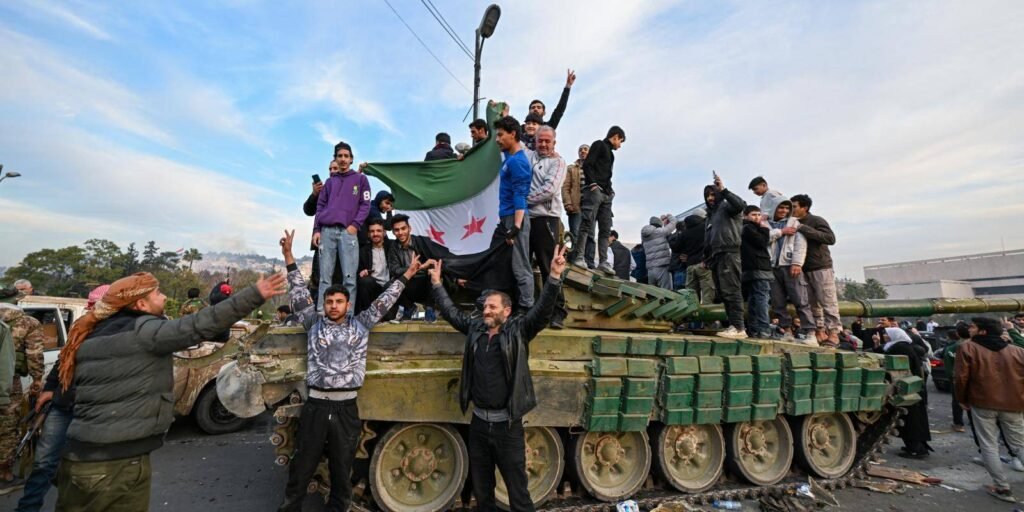
- Syria diplomatic return marked by Chatham House engagement and London embassy reopening.
- Damascus pledges pluralism and inclusiveness, addressing minority rights concerns.
- Major challenges include Israel, Russia, foreign investment, and rebuilding trust.
- Syria’s next six to twelve months critical for stabilizing governance and international reintegration.
Syria is making a cautious but unmistakable return to the global diplomatic stage. The visit of Foreign Minister Asaad Al-Shaibani to Chatham House in London, coinciding with the reopening of Syria’s embassy after a 12-year absence, signals a deliberate attempt by Damascus to regain legitimacy, engage the West, and reposition itself regionally. The new leadership has pledged pluralism and inclusiveness, addressing concerns over minority representation and promising a pragmatic approach to foreign policy.
The timing of these developments is significant. The embassy reopening in London, following years of closure, underscores Damascus’ desire to normalize relations with Western powers. The Chatham House engagement has provided a platform for Syria to project a narrative of cautious reform, signaling its intent to move away from the isolation and confrontation that characterized its previous decade.
Syria Diplomatic Return: Strategic Calculus
The Syrian government’s return is not a gesture of goodwill; it is a strategic imperative. Years of sanctions and diplomatic isolation failed to bring stability. Instead, they strengthened non-state actors, expanded foreign influence, and allowed extremist elements to survive. For Damascus, reintegration is essential for political survival, economic recovery, and regional influence.
Trump Sharaa Alliance: Former Rebel Ahmed al-Sharaa Becomes Washington’s Key Partner in Syria
Geography amplifies Syria’s importance. Nestled between Turkey, Iraq, Jordan, Lebanon, and Israel, Syria’s instability has long affected the wider Middle East. Refugee flows, disrupted trade, and energy security remain deeply intertwined with Damascus’ internal stability. Engagement from Western capitals is therefore pragmatic: prolonged isolation proved costly, whereas cautious reintegration offers the potential for strategic oversight and influence.
Syria’s diplomatic messaging reflects this logic. The government is emphasizing pragmatism, inclusivity, and pluralism. It seeks to distance itself from the legacy of the previous Assad regime and to recast Syria as a country ready to reintegrate responsibly into regional and international structures.
Governance and Minority Rights
Political legitimacy will depend heavily on governance and minority inclusion. The civil war that erupted in 2011 fractured the nation, displacing millions and leaving deep social fissures. Alawite, Druze, Christian, and Kurdish communities remain wary of central authority, and the government’s ability to include these groups in decision-making will determine both domestic stability and international credibility.
READ MORE: Syrian foreign minister says Assad regime made Syria an ‘exporter of threats’ – new government wants to restore trust
The new Damascus faces the dual challenge of rebuilding governance structures while ensuring social cohesion. Addressing minority concerns, curbing militia influence, and establishing effective institutions will be essential steps to avoid a relapse into instability. Without tangible reform, Syria risks undermining the cautious optimism its diplomatic efforts have generated.
Foreign Policy Recalibration
Syria’s diplomatic trajectory will also be shaped by its foreign policy. Israel’s continued military presence and airstrikes on Syrian territory remain a critical challenge. The new government has signaled a willingness to explore dialogue, marking a departure from the confrontational stance of the previous administration.
ALSO READ: The Gladiator in a Suit: How Ahmed al-Sharaa Became Syria’s Messiah of Renewal
Relations with Russia are similarly being redefined. While Damascus continues to rely on Moscow for military and political support, it now seeks a pragmatic balance rather than dependency. This recalibration signals an awareness that credibility with the West and regional neighbors will require measured independence from external patrons.
Economic Reconstruction and Investment
Economic recovery is central to Syria’s stabilization. A decade of conflict has devastated infrastructure, industry, and agriculture, while displacing millions of citizens. Foreign investment is crucial but contingent on political stability, security, and institutional reliability.
The reopening of the embassy and the engagement at Chatham House serve as signals to the international community that Syria is open for investment and reconstruction partnerships. But diplomacy alone cannot repair the economy. Transparency, regulatory reform, and assurances to foreign investors will be vital to transforming goodwill into tangible economic progress.
The Regional Stakes
Syria’s reintegration carries profound geopolitical implications. The Middle East remains a volatile chessboard of competing powers, including Turkey, Iran, Israel, Russia, and the United States. Damascus’ ability to navigate these relationships without becoming a pawn or battleground will shape both domestic recovery and regional stability.
Several scenarios are likely over the next year:
- Controlled reintegration: If the government implements reforms, protects minority rights, and curbs militias, Syria could gradually normalize relations with the West and attract foreign investment.
- Reform paralysis: Political inertia or factional conflict could stall progress, leaving Syria internationally recognized but internally fragile.
- Geopolitical balancing act: Leveraging relations with global and regional powers could yield short-term gains but risk reigniting conflicts.
- Diplomatic breakthrough with Israel: A potential agreement could reduce regional tensions, reshape alliances, and attract international support, though it would require overcoming decades of mistrust.
Looking Ahead: Opportunity and Fragility
Syria stands at a critical crossroads. Its diplomatic re-emergence is historic, yet fragile. Rebuilding governance, reconciling internal divisions, navigating foreign relations, and fostering economic recovery will test the new leadership daily.
The next six to twelve months are decisive. Success will depend not only on diplomatic signaling but on tangible outcomes: inclusive governance, minority protections, economic reconstruction, and strategic clarity in foreign policy. Syria’s ability to demonstrate capacity for meaningful reform will determine whether its diplomatic return evolves into sustainable recovery or collapses into symbolic gesture.
Syria’s return to the West is more than a diplomatic maneuver; it is a strategic gamble with regional and global implications. Western capitals, regional actors, and domestic constituencies are watching closely. For Damascus, credibility, reform, and stability are not optional—they are the benchmarks of survival.
Syria’s moment is now. Its next steps will define not only the country’s future but the balance of influence across the Middle East. The world will be watching, and the new Damascus must prove that it can navigate the challenges of governance, diplomacy, and reconstruction with vision and pragmatism.