


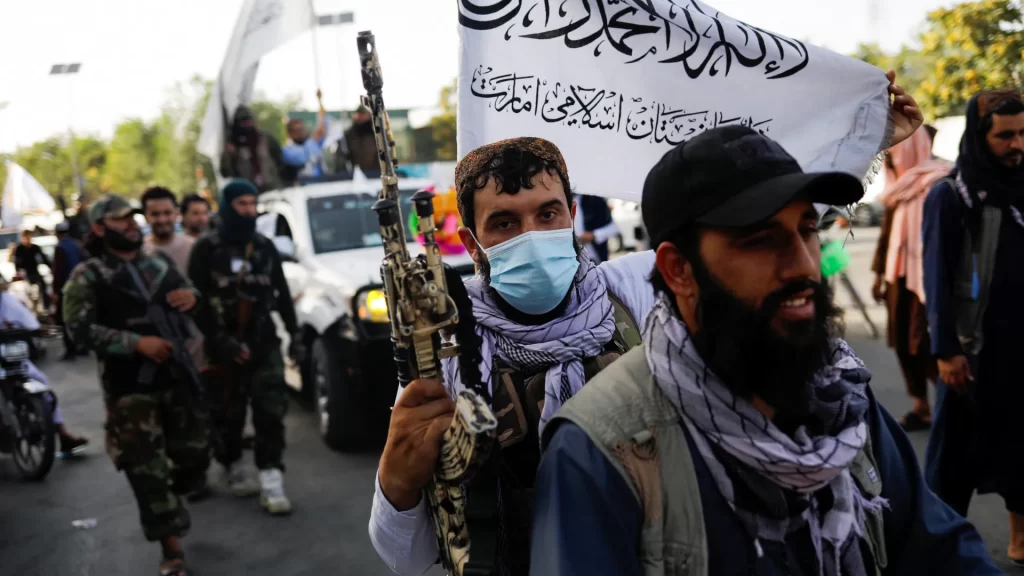
- Taliban investigation efforts have been officially confirmed by Foreign Minister Amir Khan Muttaqi following three separate armed incursions from Afghan soil into Tajikistan since October 2025.
- The most recent clash on December 23-24 in the Shamsiddin Shohin district resulted in the deaths of two Tajik border guards and three militants identified by Dushanbe as members of a “terrorist organization.”
- While Kabul blames “malicious circles” for trying to strain regional ties, analysts argue the announcement is merely a diplomatic shield to deflect pressure from Tajikistan, Pakistan, and China.
- Regional powers are increasingly calling for a collective strategy as attacks have claimed the lives of both security forces and Chinese nationals working on infrastructure projects.
The recent announcement by the interim Taliban government to investigate militant incursions into Tajikistan marks a familiar, albeit increasingly tenuous, diplomatic maneuver in Kabul’s regional foreign policy.
Following three significant cross-border security breaches since October 2025—culminating in the recent killing of Tajik border guards and Chinese mining personnel—the Taliban’s Foreign Ministry has pivoted to a rhetoric of “joint cooperation” and the denunciation of “malicious circles.” However, for regional powers like Tajikistan, Pakistan, and China, the gap between Kabul’s investigate-and-deny strategy and the ground reality of Afghan-based militancy is rapidly becoming an unsustainable security liability.
Chinese Killed in Tajikistan: Eight Dead as Latest Terrorist Incursion is Foiled
A Pattern of Plausible Deniability
The current friction on the 1,350-kilometer Afghan-Tajik border is not an isolated incident but part of a broader systemic failure by the Taliban to fulfill its counterterrorism pledges under the Doha Agreement. Since late 2025, the Shamsiddin Shohin district in Tajikistan has become a flashpoint for groups such as Jamaat Ansarullah (the so-called “Tajik Taliban”) and ISKP (Islamic State Khorasan Province).
The Taliban’s response has historically followed a predictable script:
- Immediate Denial: Asserting that “no foreign groups” operate on Afghan soil.
- The Investigation Promise: Launching a formal inquiry to buy diplomatic time.
- Externalization of Blame: Attributing attacks to “uncontrolled elements” or foreign conspiracies intended to damage regional ties.
For Dushanbe, this cycle is viewed as “lip service.” Analysts argue that the Taliban’s reluctance to act against these groups is rooted in ideological kinship and internal power dynamics. To dismantle Tajik or Pakistani militant cells would risk alienating the very foot soldiers who ensure the Taliban’s internal control, potentially driving them into the arms of more radical rivals like ISKP.
Telegraph: China is building a military base on the border of Tajikistan and Afghanistan
The China Factor: A Shift in Regional Calculus
The most significant shift in the 2025 security landscape is the direct targeting of Chinese interests. The deaths of eight Chinese nationals in Tajikistan and the use of grenade-equipped drones launched from Afghan territory have pierced Beijing’s traditionally cautious diplomatic shield.
China, as Tajikistan’s largest creditor and a critical economic partner for the Taliban, now finds its Belt and Road Initiative (BRI) infrastructure directly threatened. The evacuation of Chinese personnel from the Tajik-Afghan border zones in December 2025 signals a low point in Beijing’s confidence. If Kabul cannot secure its borders, it risks losing its most vital economic lifeline. China’s frustration mirrors that of Pakistan, which reported nearly 1,200 deaths from Afghan-origin terrorism in 2025 alone. The convergence of Tajik and Pakistani security concerns creates a “pincer of pressure” on the Taliban that they have not previously faced.
ALSO READ: Chinese Killed in Tajikistan: Eight Dead as Latest Terrorist Incursion is Foiled
Taliban Investigation : The Failure of the “Buffer State” Model
For decades, neighbors viewed Afghanistan as a buffer or a theater for influence. In 2025, however, the consensus is shifting toward a “collective containment” strategy. Tajikistan’s demand for a formal apology and verifiable security guarantees reflects a loss of faith in the Taliban’s intent.
India and Pakistan Fuel South Caucasus Arms Race: Fighter Jet Deals with Armenia and Azerbaijan Escalate Tensions
The Taliban’s “lip service” investigations are failing because they ignore the fundamental requirement of modern regional statehood: the monopoly on the use of force within one’s territory. By allowing groups like Jamaat Ansarullah to maintain a presence in Badakhshan, the Taliban are effectively outsourcing their border policy to non-state actors.
Conclusion: Toward a Collective Regional Response
The window for the Taliban to prove their credibility as a security partner is closing. As Russia considers deploying more troops to its 201st military base in Tajikistan and Pakistan threatens further unilateral “defensive measures” inside Afghanistan, the interim government in Kabul faces a stark choice.
They can continue the charade of “investigations” that never yield arrests or dismantled camps, or they can engage in the “letter and spirit” of regional security. If the Taliban do not act decisively to quell the hideouts in provinces like Badakhshan and Kunar, they will likely face a coordinated regional boycott—or worse, a series of unilateral military interventions by neighbors who have decided that “strategic patience” is no longer a viable policy.