


- Selective authorizations, not blanket deliveries: Approve a limited tranche of Tomahawks under strict U.S. supervision, preserving leverage while avoiding uncontrolled escalation.
- Link lethal aid to diplomatic progress: Tie missile deliveries to tangible milestones — ceasefires, prisoner exchanges, or peace talks.
- Empower informal diplomacy: Institutionalize humanitarian and unofficial channels, including Melania Trump’s efforts, to maintain communication during crises.
- Invite neutral mediators: Engage countries like Turkey, Qatar, or Switzerland to facilitate indirect dialogue between Kyiv and Moscow.
- Manage escalation transparently: Emphasize that U.S. policy seeks de-escalation and negotiation, not confrontation.
In recent weeks, President Donald Trump has signaled a pivot of his foreign-policy energies from the Middle East to Europe, following what he describes as a breakthrough in the Israel-Gaza ceasefire negotiations. Riding the momentum of that deal, Trump is now reportedly contemplating providing Tomahawk cruise missiles to Ukraine as a mechanism to compel Moscow to the negotiating table. Yet this bold gambit has already triggered intense debate in Washington — and raises deeper questions about whether kinetic escalation or quiet diplomacy should guide U.S. strategy toward ending the war in Ukraine.
The Tomahawk as the Decisive Option — or a Dangerous Escalation?
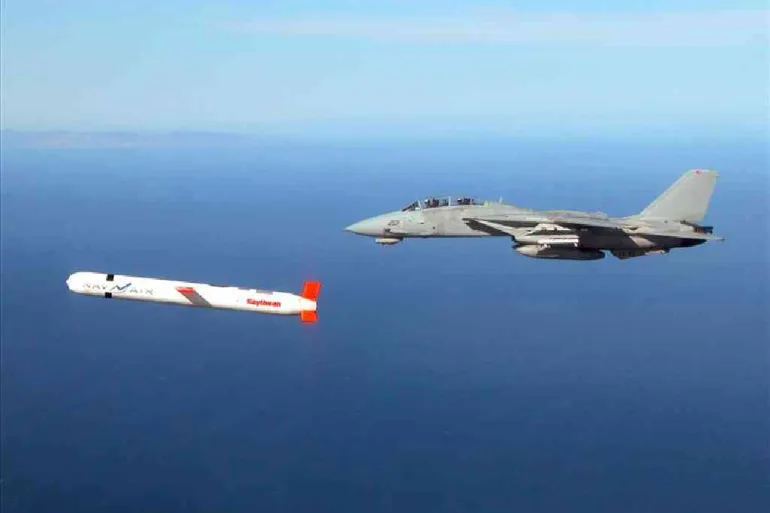
The Tomahawk cruise missile has long symbolized the American capacity for precision escalation: a highly accurate, long-range weapon capable of striking deep behind enemy lines. It offers Kyiv a firepower leap beyond what other systems like ATACMS or long-range drones can deliver. But analysts caution that providing Tomahawks is not a silver bullet. The logistical demands — launchers, targeting, intelligence, and mission planning — are significant, and the risk of a Russian counterreaction looms large.
READ MORE: Ukraine Wants Tomahawks. Trump Has to Decide if They Would Help End the War.
If wielded prudently, the argument goes, the Tomahawk could impose a credible “escalation threat,” creating coercive pressure that pushes Moscow to the table. But if employed recklessly or in large volumes beyond U.S. control, it risks unintended escalation. From the administration’s perspective, the calculus is clear: if the Tomahawk threat is credible yet constrained, it can serve as a diplomatic lever. But if Moscow calls the bluff, the United States could find itself drawn deeper into the conflict.
Trump’s Strategic Dilemma and the Domestic Debate
Trump’s foreign-policy instinct has long favored deals, drama, and bold maneuvers. After brokering the Gaza ceasefire, he now sees the Ukraine war as the next frontier for his “peace through strength” vision. The Tomahawk option fits his pattern — high risk, high visibility, potentially transformative.
Yet within the U.S. policy establishment, voices are cautioning restraint. Some argue that Trump must halt or scale back lethal weapon deliveries if his goal is a negotiated settlement; others counter that denying Ukraine advanced systems hands Moscow a strategic edge. Proponents of arming Kyiv warn that its current arsenal lacks reach into the Russian heartland; critics warn of triggering a wider confrontation. The delicate line is to calibrate military support so as to enhance leverage, not provoke escalation.
READ MORE: In the Shadow of Tomahawks: A New Fault Line in the Russia-Ukraine War
Trump’s own remarks reflect uncertainty. He has suggested he might only authorize Tomahawks after speaking directly with Putin — signaling that he sees them as both a military tool and an instrument of negotiation. The Pentagon, however, reportedly stands ready to move swiftly if given the order. Still, Tomahawks require advanced integration and targeting support. Without strict U.S. oversight, Kyiv might use them for destabilizing strikes, which could undermine both strategic control and moral credibility.
The Melania Putin Back Channel: A Quiet Diplomatic Vector
Parallel to the public debate over missiles, an unexpected diplomatic channel is emerging: First Lady Melania Trump’s informal dialogue with President Vladimir Putin. Her efforts have reportedly focused on humanitarian measures — notably the repatriation of Ukrainian prisoners and displaced children. The recent release of several Ukrainian detainees at her request has drawn attention to this understated yet symbolic dimension of diplomacy.
Some observers believe Melania Trump’s involvement is part of a broader soft-power initiative — a bridge-building approach that humanizes dialogue and builds confidence ahead of formal negotiations. If successful, such gestures could create space for compromise that conventional diplomacy cannot.
Through this lens, the Tomahawk proposition can be seen less as a purely military escalator and more as a bargaining chip within a multi-track strategy — overt pressure complemented by discreet communication. The logic is straightforward: credible threat plus credible diplomacy equals leverage. It is, in essence, Trump’s hallmark — theater fused with deal-making.
Why Decapacitation Alone Cannot Win a Negotiated Peace
Yet any strategy built solely around weapons will fail if not paired with diplomacy. Even if Ukraine had an arsenal of Tomahawks, those missiles cannot resolve the political, territorial, or security dilemmas that drive the war. Moscow’s pursuit of strategic depth, leverage over Kyiv’s politics, and deterrence against NATO expansion are political challenges that require political solutions.
Diplomatic engagement must therefore run concurrently — not only through public summits but through discreet, credible channels that enable compromises and face-saving gestures. The U.S. must balance allied sensitivities, Russian red lines, and the ever-present risk of escalation. The Tomahawk, in this framework, is a pressure tool — not a path to victory.
Recommendation: Calibrated Arming + Intensive Back-Channel Diplomacy
The emerging strategic formula for the Trump administration should rest on several key pillars:
-
Selective authorizations, not blanket deliveries. Approve a limited tranche of Tomahawks under strict U.S. supervision, preserving leverage while avoiding uncontrolled escalation.
-
Link lethal aid to diplomatic progress. Tie missile deliveries to tangible milestones — ceasefires, prisoner exchanges, or peace talks — ensuring that aid serves negotiation, not destruction.
-
Empower informal diplomacy. Institutionalize humanitarian and informal channels, including Melania Trump’s initiatives, to sustain communication even during tense phases.
-
Invite third-party mediation. Neutral nations such as Turkey, Qatar, or Switzerland could facilitate indirect dialogue between Kyiv and Moscow.
-
Manage escalation risk transparently. Communicate clearly to allies and adversaries that the U.S. retains operational control and seeks de-escalation, not confrontation.
The Turning Moment
The United States now stands at a crossroads in Ukraine policy. The Tomahawk offers dramatic potential — but also peril. If Trump wagers solely on military strength, the war may spiral further. But if he pairs that capability with creative back channels, calibrated restraint, and credible incentives for both sides, it can become a tool for diplomacy.
The Ukraine war will not be ended by missiles alone. It must be resolved through compromise, credible guarantees, and durable political settlement. Whether President Trump’s gambit leads to peace or deeper conflict will depend on his ability to balance the sword with the olive branch — and to prove that American power, when wisely restrained, can indeed deliver peace through pressure.