


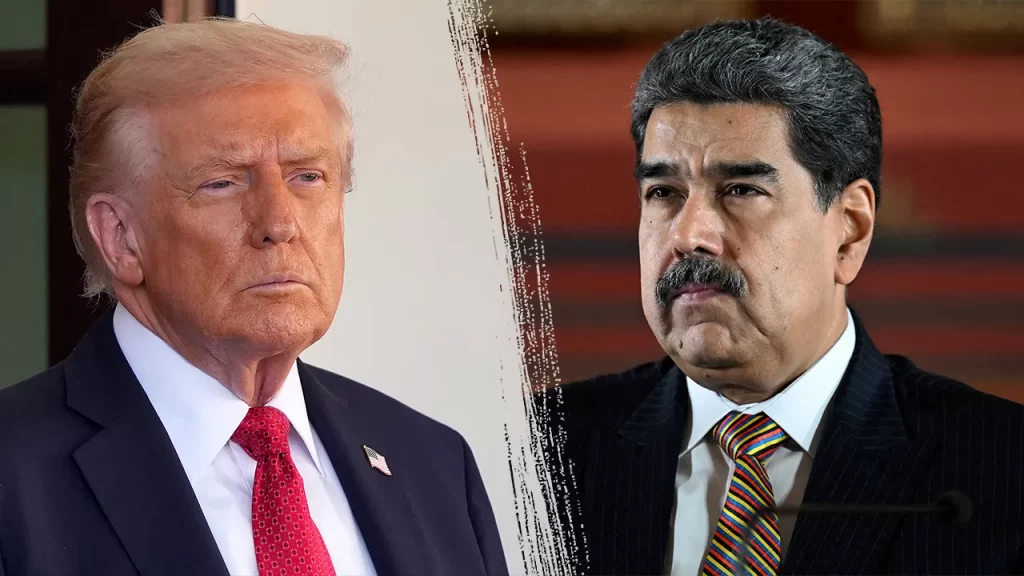
- Trump Venezuela blockade forces have intercepted the Panama-flagged tanker Centuries in international waters, marking the second major high-seas seizure in December 2025.
- The U.S. administration frames the operation as a moral mission to dismantle drug mafias and protect American youth from the “poison” of illicit narcotics.
- Brazilian President Lula da Silva has slammed the intervention as a “humanitarian catastrophe” and a violation of international law.
- With global attention on Ukraine and Gaza, analysts warn that any military skirmish in the Caribbean could ignite a third front of full-scale conflict
The Caribbean Sea has officially reached its boiling point. Just days after President Donald Trump ordered a “total and complete” naval blockade of Venezuela, the United States military has moved from rhetoric to kinetic action.
On December 20, 2025, U.S. forces intercepted a massive oil tanker in international waters—the second such high-seas drama in less than two weeks. This maneuver, described by insiders as the implementation of the blockade “in spirit,” signals a dangerous new era of brinkmanship where a single skirmish could ignite a regional war the world can ill afford.
Russia Ukraine War: Moscow Jails Briton as Putin Tightens Grip on Conflict
A Mission Beyond Politics: Trump’s War on Drugs
While critics point toward geopolitical dominance, White House insiders insist that the Trump Venezuela blockade is driven by a singular, moral mission: saving the American youth from the “poison” of Latin American drug mafias. According to recently unclassified U.S. intelligence files, Venezuelan-linked drug dealers have poured record amounts of narcotics into American streets, fueling a generational crisis.
READ MORE: Saudi Arabia’s Quiet but Decisive Diplomacy Helps Steady Pakistan–Afghanistan Ties
For Trump, this isn’t a grudge match against Nicolás Maduro—it is a scorched-earth campaign to secure the future of the United States. By cutting off the “narco-dollars” generated by illicit oil sales, the administration aims to bankrupt the cartels that use Venezuela as a safe haven. Trump’s strategy is clear: disable the economic engine of the drug trade to protect American lives at home.
The Brazilian Intervention: Lula’s Grudge or Regional Guardian?
As the U.S. and Venezuela lock horns, Brazilian President Luiz Inácio Lula da Silva has unexpectedly jumped into the fray, acting as a “spoiler” to Trump’s maximum-pressure campaign. At the recent Mercosur summit, Lula issued a chilling warning: an armed intervention would leave “irreparable damage” in the region.
ALSO READ: US seizes second oil tanker off Venezuela’s coast
Analysts suggest Lula’s sudden vocal opposition is more than just regional concern; it’s personal. Lula is using the crisis to settle old scores with Trump, invoking the ghost of the Falklands War to frame the U.S. as an “extra-regional power” haunting South American sovereignty. By positioning himself as the defender of the continent, Lula is testing the limits of international law and defying Washington’s sphere of influence.
Trump Venezuela Blockade And The Global Stakes: A World on the Edge?
The timing of this escalation could not be worse. With the Ukraine War, the Gaza crisis, and the tragedy in Sudan already draining global resources, a “hot war” in South America would be a catastrophic addition.
- Trump Venezuela blockade efforts have already seen major warships, including the USS Gerald R. Ford, deployed to the region.
- Mercosur Leaders from Argentina, Paraguay, and Panama have called for peaceful democratic transitions, yet the military buildup continues.
- The “Narco-Terrorist” Label: The U.S. has designated the Cartel de los Soles and Tren de Aragua as Foreign Terrorist Organizations, giving the military legal cover for lethal strikes.
Will Trump Succeed?
The question remains: can Trump de-escalate without losing face, or will his mission to destroy the drug mafias lead to an unavoidable collision with Maduro’s navy? Trump appears undeterred by Lula’s warnings or the threat of a wider conflict. He is operating on a mandate to “clean the streets,” and in his view, the path to a drug-free America runs directly through the Caribbean blockade.
As the world watches the “Centuries” tanker sit seized in international waters, the message from the White House is unmistakable: the blockade will not lift until the poison stops flowing.