


- A federal trade court ruled that Trump’s “Liberation Day” tariffs exceeded presidential authority under emergency law.
- The decision halts most tariffs on all imported goods, including those targeting China, Mexico, and Canada.
- Small businesses and 12 Democratic-led states claimed direct economic harm from the sweeping import taxes.
- The Trump administration plans to appeal, potentially escalating the legal battle to the U.S. Supreme Court.
In a striking rebuke of President Donald Trump’s aggressive trade policies, the U.S. Court of International Trade on Wednesday halted most of the sweeping tariffs the administration had imposed under its so-called “Liberation Day” initiative. The ruling not only upends Trump’s key economic agenda but also highlights the growing legal friction between the executive branch and the judiciary over the limits of presidential power in the realm of trade policy.
The court’s decision, delivered by a three-judge panel, declared that the president had overstepped his authority in imposing a 10% blanket tariff on all imports and higher duties on specific countries. These tariffs, introduced on April 2 under the International Emergency Economic Powers Act (IEEPA), were meant to confront what Trump called a “national emergency” caused by decades of trade deficits and unfair foreign competition. But the court was unconvinced.
“The challenged Tariff Orders will be vacated and their operation permanently enjoined,” the judges ruled, bringing Trump’s latest trade war to a grinding halt.
This legal bombshell lands at a time of fragile global markets and faltering investor confidence. The “Liberation Day” tariffs had jolted Wall Street, tanked the dollar, and rattled America’s trading partners. Futures on the S&P 500 spiked 1.4% following the court’s decision, reflecting market optimism that a period of chaotic trade policy may be cooling—at least for now.
Legal Overreach and the IEEPA Debate
At the heart of the court’s ruling is a fundamental question: Can the president unilaterally weaponize economic emergency powers to impose broad tariffs in the absence of a clearly defined national security threat?
Trump’s Second-Term Doctrine: The Four-Point Blueprint Redefining America’s Role at Home and Abroad
Trump argued that persistent trade deficits, illegal migration, and the opioid crisis constituted a “national emergency.” However, the court rejected these justifications, stating that the IEEPA only grants emergency powers when addressing “an unusual and extraordinary threat.” Tariffs, it said, were used here not to neutralize such threats directly, but rather to exert leverage in diplomatic negotiations—a purpose outside the law’s intent.
“The gamble to use emergency powers backfired,” noted Peter Harrell, a former Biden administration attorney. “It was a political maneuver dressed as a legal emergency.”
Critically, the court also froze tariffs targeting Canada, Mexico, and China—levies Trump had defended as necessary to force cooperation on drug trafficking and border control. But judges were unconvinced that those issues met the legal threshold of emergency economic threats as defined by IEEPA.
Implications for Businesses and U.S. Trade Policy
For American importers and small businesses, the court’s decision is a lifeline. Companies like MicroKits, FishUSA, and Terry Cycling, who joined a lawsuit claiming financial distress due to the tariffs, welcomed the verdict. “It is great to see the court unanimously ruled against this massive power grab,” said Ilya Somin, co-counsel in the case and law professor at George Mason University.
Large multinationals, such as Apple, had quietly lobbied the administration behind closed doors rather than pursue public legal challenges, but they too stand to benefit from the ruling.
READ MORE:Trump’s Second-Term Doctrine: The Four-Point Blueprint Redefining America’s Role at Home and Abroad
Nevertheless, the sudden rollback of tariffs introduces a fresh wave of uncertainty. The Department of Justice has already announced plans to appeal, and the Trump administration is expected to seek an emergency stay, which could temporarily reinstate the tariffs.
“There are other tariff statutes available, and I’m sure the Trump administration is prepared to use them,” said Simon Lester, an expert in international trade law. But pursuing those routes will take time and likely involve Congressional oversight—something the White House has largely avoided.
The Supreme Court Awaits?
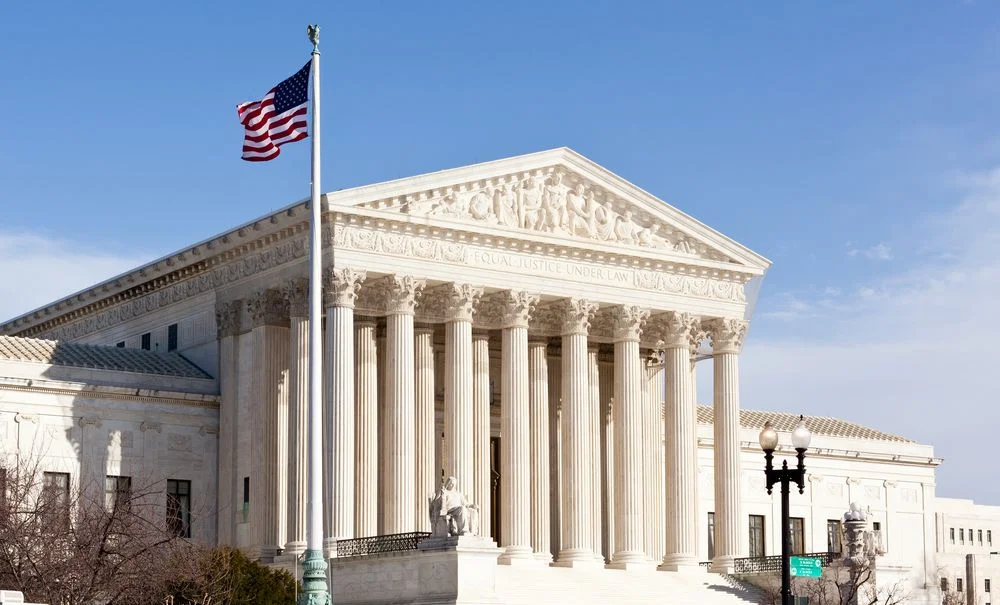
Legal experts suggest the controversy may be heading to the Supreme Court, especially given the constitutional questions at play. Trump’s aggressive interpretation of IEEPA is seen by some as infringing upon Congress’s exclusive authority to regulate trade.
“When the White House itself calls this the largest tax increase in American history, it invites judicial scrutiny,” said Tim Meyer of Duke University Law School. “Congress, not the president, has the power to levy tariffs.”
READ MORE:Trump’s ‘Liberation Day’ tariffs halted by Court of International Trade
Ironically, it may be Trump’s own appointees—such as Justice Neil Gorsuch—who play a decisive role in determining whether the president’s expansive view of executive authority will stand.
Political Stakes and Future of “America First”
Trump has cast “Liberation Day” tariffs as a cornerstone of his second-term “America First” economic agenda, vowing to end U.S. dependence on foreign manufacturing and punish nations with unbalanced trade practices. His supporters argue that persistent trade deficits weaken America’s industrial base and economic security.
The White House response to the ruling was defiant. “These deficits have created a national emergency that has decimated American communities,” said spokesperson Kush Desai. “It is not for unelected judges to decide how to properly address a national emergency.”
But the court’s ruling suggests there are constitutional boundaries that even a populist presidency cannot breach.
With multiple lawsuits still pending and ongoing trade negotiations hanging in the balance, the battle over Trump’s tariff powers is far from over. Yet Wednesday’s decision represents a rare and forceful assertion of judicial authority over economic policymaking—a reminder that the checks and balances enshrined in the U.S. Constitution remain resilient, even amid the turbulence of modern politics.
Bottom Line: Trump’s attempt to unilaterally recast global trade policy via emergency powers has suffered a major blow. While an appeal is certain, the legal and political tide may be turning against executive overreach masked as economic nationalism.