


- Trump–Europe rift uropean Fury Intensifies After Trump’s Remarks
- WSJ Warns White House Strategy Misdiagnoses Europe’s Real Crisis
- Fiscal Burdens, Not Migrants, at the Heart of EU Woes
- Trump-Vance Rhetoric Risks Empowering Anti-American Populists
European leaders are seething after President Donald Trump launched a fresh barrage of derogatory remarks about the Continent—an episode that the Wall Street Journal (WSJ) describes as an increasingly “instructive diplomatic fiasco.” The influential U.S. newspaper, in its Dec. 12 editorial, warned that the Trump Administration has “botched its diagnosis” of Europe’s real problems, even as transatlantic tensions continue to escalate.
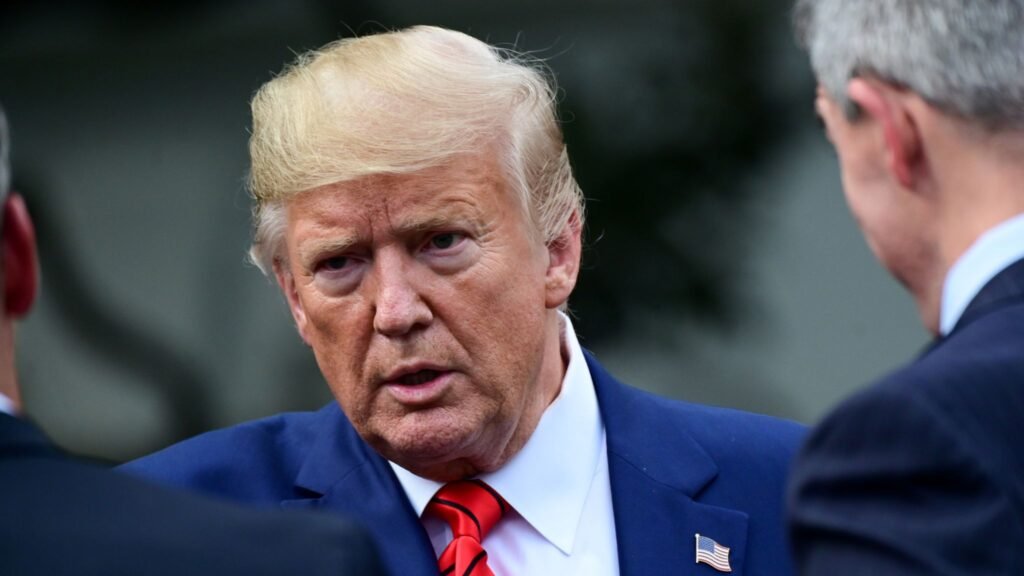
The uproar began last week when the Administration’s National Security Strategy declared that America’s closest allies face the threat of “civilizational erasure.” According to the WSJ, the strategy—crafted by Vice President JD Vance’s team—claims that mass immigration and deepening political illegitimacy are draining Europe’s vitality. President Trump followed those assertions with his own public assessment, calling Europe “weak” and “decaying,” forcing Brussels, Berlin, and Paris to issue sharp rebukes.
What Is Trump Waiting For? If Ukraine Has Lost, Why No Peace Deal?
The Wall Street Journal notes that the strategy even hints that the U.S. might reconsider its long-standing security commitments: “The strategy…implies the U.S. may withdraw from its longstanding security cooperation with Europe if Washington decides Europe is no longer worth defending.” This prospect, touching directly on the future of NATO, has alarmed diplomats across the Continent.
While the editorial concedes that Trump and Vance have tapped into real public frustration—especially over migration, regulatory failures, and Europe’s widening prosperity gap with the United States—it stresses that the White House is focusing on the wrong villain.
READ MORE: Ukraine peace deal: Ukrainian President Desperately Pitches New Secret Peace Plan to Trump as Pressure Mounts for Deal on Russian Terms
The WSJ argues that Europe’s main crisis is not immigration but decades of bloated social-welfare spending and crippling taxation. “The Trump diagnosis ignores the biggest threat to Europe’s well-being. That is Europe’s generous social-welfare states and the cascading fiscal, economic and social ills they create.”
The editorial backs this assertion with stark data: government social expenditure accounts for 30.6% of GDP in France, 27.9% in Germany, and 27.6% in Italy—far higher than America’s 19.8%. With aging populations and strained budgets, the newspaper writes, Europe’s fiscal burden suppresses innovation, discourages work, and limits military investment. That has left the Continent struggling to shape outcomes in conflicts like Russia’s war on Ukraine.
ALSO READ: Trump outraged at Zelenskyy saying end of Russia-Ukraine war could be ‘very far away’
The Wall Street Journal also highlights a glaring inconsistency in Trump’s rhetoric: while he criticizes Europe’s welfare state, he shows little appetite to reform America’s own entitlement programs. Similarly, it notes that JD Vance often speaks about expanding government intervention rather than reducing it.
The editorial warns that Trump’s approach may produce the opposite of what Washington wants. By aggressively targeting migration and culture—rather than fiscal conditions—Trump risks empowering Europe’s populist right, including Germany’s AfD and France’s National Rally. According to the WSJ, these parties oppose economic reform, favor big government, and often harbor anti-American sentiments.
Despite this gloomy landscape, the editorial suggests a more constructive path: the U.S., as in the Reagan era, could encourage Europe to rebalance its budgets, strengthen defense, and restore confidence in Western values. But this would require Washington to offer partnership rather than provocation.
For now, Europe’s fury reflects more than diplomatic insult—it underscores a widening strategic divergence. And as the Wall Street Journal concludes, Trump’s rhetoric may end up “making most of Europe’s problems worse,” just as both sides need each other most.