


- Over 100 children are killed or injured daily in Gaza, sparking global calls for a permanent ceasefire and humanitarian action.
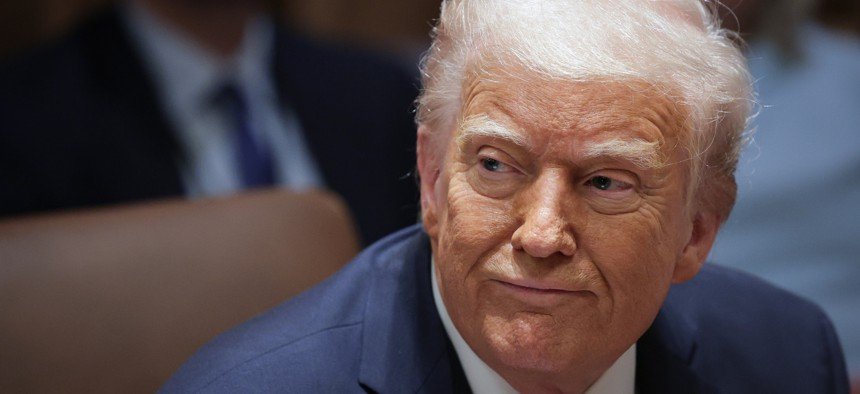
- Trump’s shelved Gaza redevelopment plan could be repurposed into a pro-peace, reconstruction-focused roadmap.
- Arab states are pushing a revised peace initiative, urging U.S. support to pressure Israel toward diplomatic negotiations.
- The international community faces a pivotal moment to prevent Gaza’s full collapse and build a sustainable two-state future.
Gaza, once again, is engulfed in the haze of war. Bombs fall, sirens scream, and the echo of destruction drowns out the laughter of children who, for a fleeting moment during the ceasefire earlier this year, dared to dream of peace. Philippe Lazzarini, Commissioner-General of the UN Relief and Works Agency for Palestine Refugees (UNRWA), recently stated with sorrow that “Gaza is no land for children,” reporting that at least 100 children have been killed or injured every day since the March 18 breakdown of the truce. His words echo globally, ringing especially loud for those who still believe that peace in Gaza is not only possible but imperative.
The question haunting peacemakers worldwide is not just “Will peace ever come to Gaza?” but “Who is standing in its way—and why?”
Trump’s Peace Vision Revisited
Donald Trump’s original Middle East peace framework, often misunderstood or mischaracterized, aimed not at domination but at transformation. At its heart was a controversial but potentially innovative idea: a reconstructed Gaza as a thriving, demilitarized coastal zone—dubbed by some as a “Middle Eastern riviera.” Though met with resistance and alarm from the international community, the plan’s core premise of economic revitalization paired with political stabilization offers a starting point for renewed dialogue.
Critically, Trump’s vision emphasized Arab-Israeli normalization and economic incentives, potentially opening pathways for Gaza’s integration into broader regional cooperation. But his ideas have been eclipsed by the current chaos. Reviving them now must be done carefully—with stronger international guarantees, humanitarian safeguards, and above all, respect for Palestinian rights and dignity.
Trump’s Tariff Tsunami: New Trade War Shake-Up Targets 100 Countries
To make this happen, the peace camp—stretching from Oslo to Riyadh to Washington—must unite around a pragmatic roadmap that builds on both Trump’s economic overtures and the Arab states’ comprehensive peace plan.
Gaza in 2025: A Graveyard for Children or Ground Zero for Peace?
Since the truce collapsed, hundreds of Palestinian lives have been lost, with children, women, and elderly civilians bearing the brunt. The war, once again, has ripped apart families, homes, and futures. The moral outrage is deafening: from European leaders to grassroots peace activists in Tel Aviv, from the UN General Assembly to the streets of Amman.
“We are watching a humanitarian catastrophe unfold in real time,” said Save the Children’s Middle East Director Rania Al-Masri. “The cycle of death and destruction is not just unsustainable—it is inhumane.”
These voices cannot be drowned out by the rhetoric of “total victory.” True victory, in any civilized society, must be measured not in military gains but in the lives saved, the schools reopened, and the refugees returned home safely.
The Human Cost of Political Gridlock
Israel’s recent military escalation has led to a growing internal crisis. Families of Israeli hostages demand action, accusing Prime Minister Benjamin Netanyahu of abandoning their loved ones for political survival. Within Israel, democratic institutions are under strain as judicial overhauls and authoritarian tendencies take root.
Meanwhile, Palestinians find themselves caught between two faltering leaderships: Hamas, weakened and facing public backlash, and the Palestinian Authority (PA), increasingly irrelevant and politically impotent.
Read More: Trump’s Historic Saudi Visit: How MBS Positioned the Kingdom as a Global Powerhouse
Recent reports suggest that Hamas may be willing to relinquish political control in Gaza in exchange for a broader peace plan—a shift that opens a significant window for diplomatic engagement. The Arab states’ peace initiative, adopted on March 4, proposes a transitional governance structure under PA oversight, potentially reinforced by international and Arab peacekeepers. This framework could pave the way for disarmament, reconstruction, and the political reintegration of Gaza into a unified Palestinian governance structure.
A Coalition for Peace: The Role of the Arab States
The Arab world must now step up—not just as critics of Israeli policy, but as architects of a new regional consensus. Saudi Arabia, Egypt, Jordan, and the UAE all have stakes in regional stability. They also have unprecedented leverage with Washington, especially under a second Trump administration seeking massive Gulf investment and strategic alignment.
Zizette Darkazally of Chatham House notes that “Arab states must adapt their Gaza peace plan and persuade Washington to engage with it.” The Trump administration must now be challenged—and encouraged—to reimagine its earlier vision in coordination with this Arab framework.
Must read: Trump posts video purporting to show deadly Yemen strike
The emphasis should no longer be on displacement but development. No credible peace plan can support the ethnic cleansing of Gaza’s population. The proposed “Voluntary Emigration Bureau” is a red flag and should be scrapped. Instead, resources should go toward building infrastructure, ensuring humanitarian corridors, and protecting civilians.
A Peace Plan for the Real World
An ideal peace plan must contain several essential pillars:
-
Immediate, Monitored Ceasefire: Brokered by international partners and monitored by neutral observers to ensure both parties comply.
-
Hostage and Prisoner Exchange Mechanism: Transparent, phased, and facilitated by trusted mediators.
-
Transitional Governance: A temporary administration under the PA, backed by an international coalition, with support from Arab and Western nations.
-
Economic Reconstruction: A multi-billion-dollar Marshall Plan for Gaza, funded by Gulf states, the EU, and the US, with full accountability and oversight.
-
Gradual Disarmament and Security Guarantees: Supported by international peacekeepers and agreed upon by all parties, including Hamas if possible.
-
Pathway to Statehood: A credible timeline and benchmarks toward a two-state solution, with East Jerusalem as the capital of a future Palestinian state.
The Road Ahead
If peace is the goal, then painful compromises are inevitable—for both Israelis and Palestinians. But compromise does not mean capitulation. It means pragmatism in the face of suffering. It means choosing diplomacy over death, healing over hate.
For Trump, embracing a revitalized Arab peace plan could mark a legacy-defining pivot—one that positions him as not just a dealmaker, but a peacemaker.
“The children of Gaza, like all children, deserve peace,” said Malala Yousafzai, Nobel Laureate and education activist. “Every bomb that falls on Gaza robs the world of dreams, voices, and futures.”
This is not just about Gaza. It’s about the world we want to live in. The decisions made now will echo across generations.
It’s time for leaders—especially those with the power to act—to listen to the cries of the children, the pleas of the hostages’ families, and the wisdom of peacemakers on all sides. Gaza must not be the graveyard of hope. It must become a lighthouse for what is possible when courage overcomes cynicism.
Trump’s peace vision, once mocked or maligned, may hold some of the seeds of transformation. But it will only grow if watered with justice, dignity, and the courage to demand peace not just for one people—but for all.