


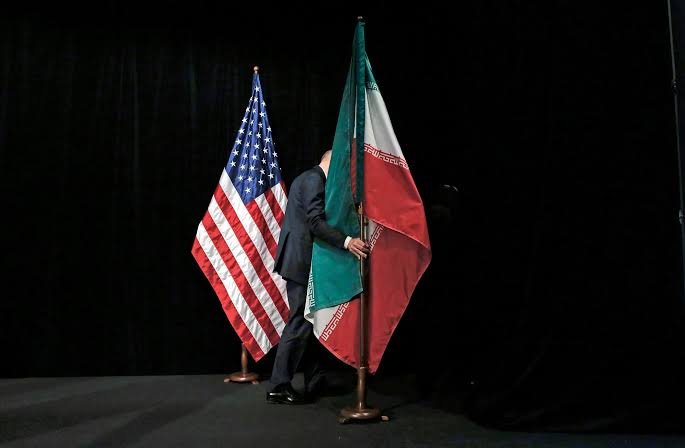
- U.S Iran nuclear talks are set to resume after Tehran signals cooperation and Washington halts military strike plans
- Supreme Leader’s approval has eased tensions and opened direct communication channels between the two sides
- The U.S. is bypassing European mediators this time, opting for direct negotiations with IAEA involvement
- Regional powers including Turkey, Qatar, and Saudi Arabia are facilitating de-escalation efforts
The United States has placed its plans for a military strike against Iran on hold after Tehran’s Supreme Leader agreed to resume nuclear negotiations, easing weeks of escalating tensions that had pushed the region to the brink of conflict.
According to multiple diplomatic sources, Washington and Tehran have reopened backdoor communication channels to craft a roadmap for direct nuclear talks — marking a significant shift from previous negotiation frameworks dominated by European powers.
Officials in Washington confirmed that while contingency plans for limited “surgical strikes” inside Iran had been actively discussed, they have now been suspended following signals of cooperation from Iran’s top leadership. For now, the immediate threat of U.S. military action appears to have passed, with both sides preparing for what sources describe as “decisive but different” negotiations.
Unlike past rounds of diplomacy — particularly the 2015 Joint Comprehensive Plan of Action (JCPOA), where Germany, France, and the United Kingdom played leading roles — the Trump administration is seeking to negotiate directly with Iran this time, with the International Atomic Energy Agency (IAEA) included as a technical partner. European nations are expected to remain on the sidelines.
“This is a major recalibration of U.S. strategy,” a senior source familiar with the talks said. “Washington believes direct engagement, backed by IAEA oversight, offers a faster path to a verifiable agreement.”
Iranian officials have signaled openness to this new format.
Iran’s Foreign Minister Abbas Araghchi said Friday that Tehran is ready to resume nuclear talks with the United States but warned that diplomacy cannot move forward under the shadow of military threats.
“The Trump administration must stop threatening an attack if it wants serious negotiations,” Araghchi said at a joint press conference with Turkish Foreign Minister Hakan Fidan in Ankara.
His remarks came as President Donald Trump confirmed that contacts with Iran are underway.
“I have had talks and I am planning on it,” Trump told reporters. “Number one, no nuclear weapons. Number two, stop killing protesters. They are negotiating.”
The diplomatic opening follows a dramatic U.S. military buildup in the Gulf, including the deployment of a naval battle group led by the USS Abraham Lincoln aircraft carrier. The move had sparked fears of imminent confrontation, with Iran warning it would retaliate against U.S. bases, ships, and regional allies — particularly Israel — in the event of an attack.
Behind the scenes, regional powers have been working to de-escalate the crisis. Turkey has emerged as the leading mediator, leveraging President Recep Tayyip Erdoğan’s close ties with Trump and Ankara’s growing diplomatic role in Gaza and Syria. Egypt, Qatar, and Saudi Arabia have also carried messages between Washington and Tehran.
Turkish Foreign Minister Fidan said his discussions with U.S. envoys focused on encouraging nuclear talks as a first step.
“We call on the U.S. and Iran to come to the negotiating table,” Fidan said.
While Araghchi noted that no formal meetings with U.S. officials are currently scheduled, he said work is underway on a “framework” covering the venue, agenda, and conditions for talks.
“We need dignified, fair, and equitable negotiations,” he said, adding that Iran will not discuss its ballistic missile program.
The current diplomatic push echoes earlier efforts that led to the 2015 nuclear deal under President Barack Obama, which temporarily curbed Iran’s nuclear activities in exchange for sanctions relief. That agreement unraveled after Trump withdrew the U.S. in 2018, reimposing harsh sanctions and triggering years of escalating tensions.
Recent statements from Iranian leadership suggest a renewed preference for diplomacy. Ali Larijani, head of Iran’s Supreme National Security Council, said “structural arrangements for negotiations are progressing,” following his talks in Moscow with Russian President Vladimir Putin.
President Masoud Pezeshkian also stressed that war would harm both nations.
“Iran has never sought war and does not believe conflict serves Iran, the United States, or the region,” he said after speaking with Egypt’s president.
Despite the diplomatic thaw, Iran’s military remains on high alert. Army chief Amir Hatami warned that any attack would provoke a powerful response, insisting Iran’s nuclear expertise “cannot be eliminated.”
For now, however, the mood is shifting from confrontation to cautious engagement. With Washington pausing military action and Tehran signaling flexibility on nuclear talks, the crisis appears to be diffusing — at least temporarily — as both sides test whether diplomacy can succeed where pressure and threats have failed.