


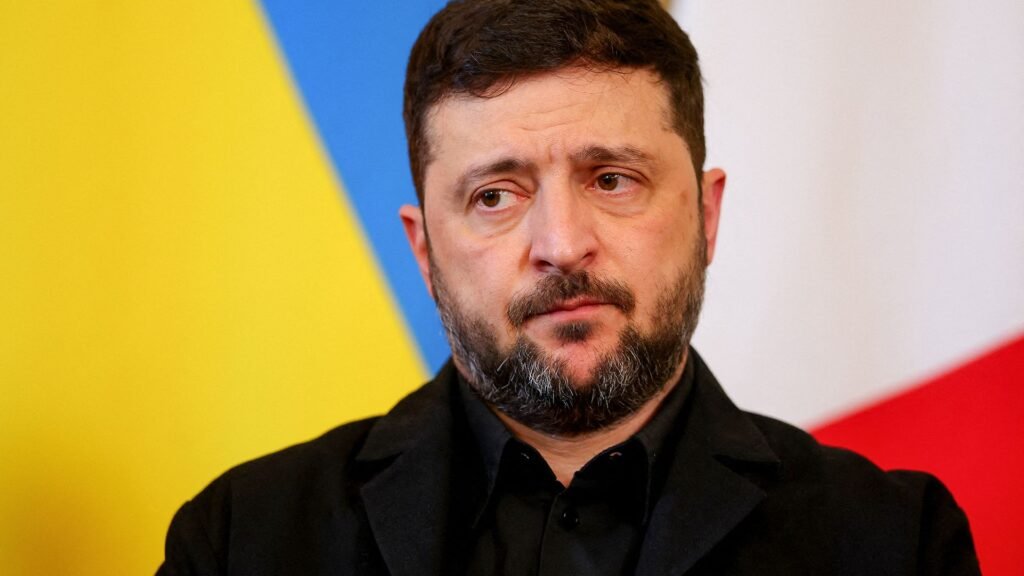
- Ukraine peace talks: US urges resolution before June ahead of mid-term elections.
- Zelenskyy confirms Abu Dhabi meeting progress but Donbas territorial issues remain unresolved.
- Follow-up negotiations planned in Miami with Trump and US envoys.
- US prepares additional sanctions on Russia to maintain leverage if peace talks fail.
In a striking development that underscores the intersection of diplomacy and domestic politics, Ukrainian President Volodymyr Zelenskyy revealed that the United States is urging both Ukraine and Russia to finalize an end to the war before the onset of summer. The timing, Zelenskyy noted, aligns closely with the US mid-term elections, suggesting Washington’s desire to showcase progress on the global stage ahead of a politically sensitive period.
Speaking to reporters over the weekend, Zelenskyy confirmed that a delegation led by former President Donald Trump, which participated in the Abu Dhabi meeting that concluded on February 4, presented a timetable for concluding the conflict. The US team reportedly pressed for a signed settlement by June, signaling a clear preference for a swift resolution. A follow-up meeting is now planned in the United States, possibly in Miami, leveraging the presence of both Trump and US Special Envoy Steve Witkoff, who maintain hotel properties there.
“Elections are definitely more important for them. Let’s not be naive,” Zelenskyy told local media, noting that the US insists on a structured schedule to end hostilities. While the Abu Dhabi talks concluded without breakthroughs, Zelenskyy described the discussions as both pragmatic and concrete. Yet, despite the progress, critical issues remain unresolved, particularly around control of the Donbas region.
Ukraine’s negotiating team has proposed a “sequence plan” to reach an agreement, though Zelenskyy refrained from divulging details. Russia, he confirmed, has yet to accept the plan. Zelenskyy previously indicated that territorial concessions could be considered if a proposed US-backed security deal is ratified by Congress, though such a move would require a referendum under Ukraine’s constitution, since ceding unoccupied territory is legally prohibited.
In a further sign of momentum, senior Ukrainian and Russian military officials reportedly discussed technical monitoring mechanisms for a potential ceasefire. Western powers, including Europe and the United States, are prepared to contribute peacekeepers and monitoring resources, with Ukraine agreeing to a multi-tiered plan to respond to any Russian violations.
To reinforce pressure on Moscow, Washington is reportedly preparing another round of sanctions targeting Russia’s energy sector, contingent on the outcome of the peace talks. US Treasury Secretary Scott Bessent indicated that sanctions on Russia’s shadow fleet and energy giants Rosneft and Lukoil would be implemented if negotiations fail, emphasizing the dual strategy of diplomacy backed by punitive measures.
Meanwhile, in a show of cautious cooperation, Russian Presidential spokesman Dmitry Peskov confirmed that both Russia and the US have agreed to unofficially continue observing the New START treaty terms, which expired last week, while discussing a potential new agreement. A Trump adviser corroborated that no immediate rearmament plans are in motion, maintaining the nuclear status quo. Experts warn that the expiration of Cold War-era arms agreements leaves the door open for a renewed arms race, heightening global risk if negotiations falter.
Analysts note that the upcoming Miami talks could be decisive. With both sides under US pressure and elections looming, the geopolitical calculus is shifting. A summer settlement, if achieved, would mark a historic pivot in the nearly three-year conflict, while failure could trigger further sanctions and renewed military escalation.
For Zelenskyy, the challenge remains balancing domestic expectations with external diplomatic pressures, as he navigates proposals that could redefine Ukraine’s territorial integrity and security framework. Meanwhile, Washington’s approach underscores a politically motivated urgency, with the 2026 mid-term elections shaping the pace, scope, and stakes of ongoing peace negotiations.