


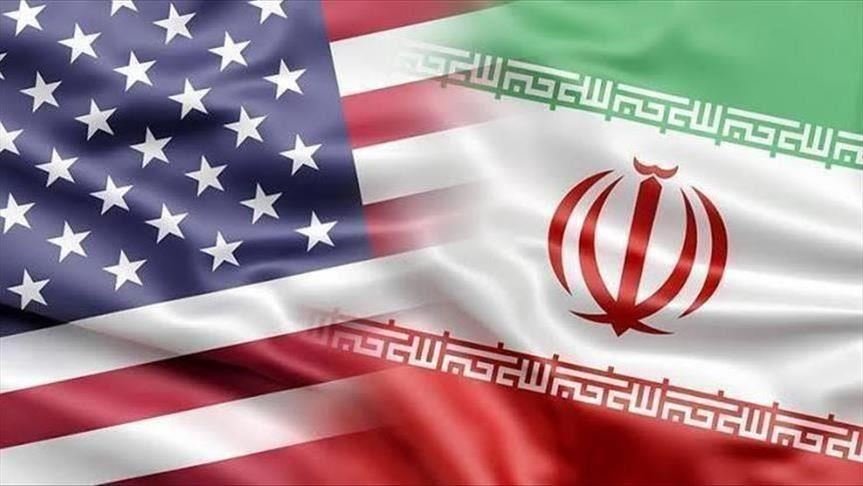
- U.S.-Iran Conflict Escalates; Military Escalation: Israeli authorities signal “imminent” powerful airstrikes while Tehran threatens “novel weapons” against U.S. naval and land targets.
- Economic Fallout: Global oil prices hit record highs as the closure of the Strait of Hormuz triggers an inflationary “crusade” across world economies.
- Political Friction: President Trump blasts German Chancellor Merz for “interfering” in the Iran nuclear strategy while struggling with a 60-day War Powers Act deadline.
- Domestic Costs: The Pentagon confirms the two-month conflict has already cost U.S. taxpayers over $25 billion as internal diaspora divisions deepen.
WASHINGTON D.C. — The specter of a full-scale global economic crisis loomed larger this week as the United States and Iran remains locked in a high-stakes standoff that has sent crude oil prices to unprecedented record highs. With the Strait of Hormuz effectively shuttered and rhetoric reaching a fever pitch, the world is asking a million-dollar question: is a massive U.S. ground offensive against Iran inevitable?
The situation grew more volatile Thursday as Israeli authorities signaled that a “new and powerful” air strike against Iranian strategic assets is expected “very soon.”
Tehran, however, has not remained silent. Iranian military commanders warned that they are prepared to deploy “new and novel weapons” against U.S. and Israeli targets on both land and sea—moves they claim will deliver a “huge setback” to Western interests in the region.
Trump Spars with Germany Over “Interference”
As the drums of war beat louder, domestic and international political friction is intensifying. President Donald Trump took to Truth Social on Thursday to issue a blistering critique of German Chancellor Friedrich Merz. Trump told the German leader to focus on the Russia-Ukraine conflict and spend “less time on interfering” with U.S. efforts to tackle the “Iran nuclear threat.”
Israel, Lebanon Talks Set for Washington as Iran–U.S. Dialogue in Islamabad Faces Uncertainty Amid Escalating Maritime Tensions
“The Chancellor of Germany should spend more time on ending the war with Russia/Ukraine (Where he has been totally ineffective!), and fixing his broken Country… and less time on interfering with those that are getting rid of the Iran Nuclear threat,” Trump posted, dismissing Merz’s recent suggestions that the U.S. was being “humiliated” in stalled negotiations.
The 60-Day War Powers Deadline
In Washington, the legal clock is ticking. Friday marks the 60-day deadline under the War Powers Act, which requires congressional approval for continued hostilities. Defense Secretary Pete Hegseth, however, argued before the Senate Armed Services Committee that the administration can bypass this requirement. Hegseth asserted that the current, fragile ceasefire effectively “pauses” the countdown, a legal interpretation that has drawn sharp fire from Democrats.
Iran threatens painful response if US renews attacks
“This war is stuck. The Strait of Hormuz is closed. The Iranian regime is in place,” said Sen. Mark Kelly (D-Arizona), highlighting the lack of a clear exit strategy.
The financial toll is also mounting. Acting Pentagon Comptroller Jules W. Hurst III revealed that the conflict has already cost U.S. taxpayers approximately $25 billion since joint strikes with Israel began on February 28. This figure does not include the yet-to-be-calculated costs of repairing U.S. bases damaged by Iranian retaliatory strikes.
A Diaspora Divided
While the U.S. military maneuvers, the Iranian diaspora remains deeply fractured over the intervention. At a recent rally in Toronto, some protesters waved U.S. and Israeli flags, urging President Trump to push for total regime change. “The Islamic regime is our main enemy,” said Ali Daneshfar, an organizer with the group Cyrus the Great.
Conversely, others fear that continued bombing will only solidify the grip of the Islamic Revolutionary Guard Corps (IRGC), which has taken a dominant role following the reported killing of Supreme Leader Ayatollah Ali Khamenei on the war’s first day. Nasser Sharif, president of the California Society for Democracy in Iran, warned that “bombing the regime is not going to bring democratic change,” but will instead lead to increased domestic suppression and civilian suffering.
Economic Crusade
The closure of the Strait of Hormuz has triggered what many are calling a “crusade” against global economies. With oil supplies choked, inflation is soaring across Europe and North America, complicating the Trump administration’s record $1.5 trillion defense budget proposal.
As Israel prepares its next strike and Tehran readies its “novel” arsenal, the global community remains on edge, watching a conflict that threatens to reshape the geopolitical and economic map of the 21st century.