


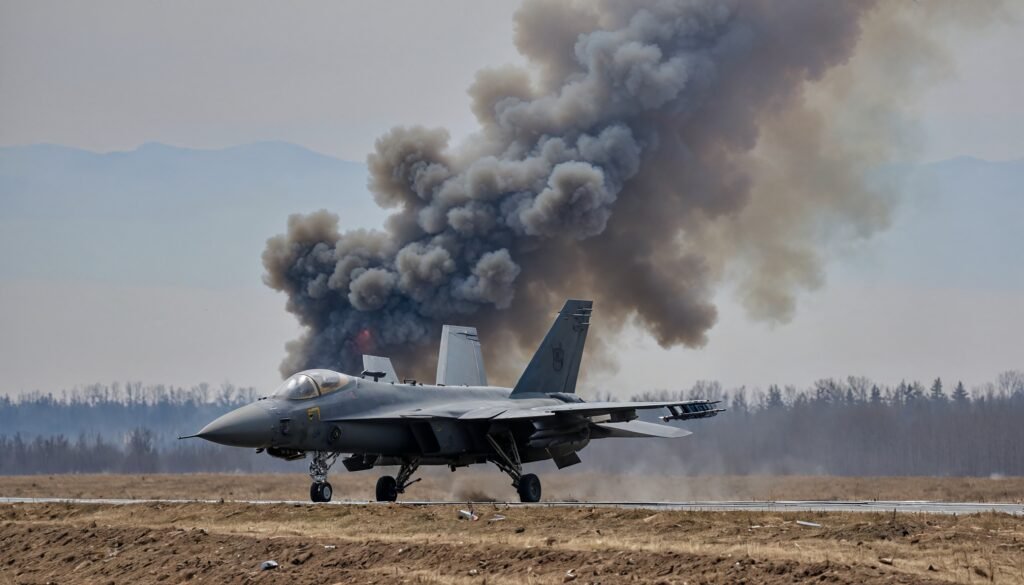
- Historic Policy Change: Biden lifts restrictions on Ukraine using U.S. weapons for strikes deep into Russian territory, signaling a major escalation in the conflict.
- First Strikes Imminent: Ukraine plans to deploy long-range ATACMS rockets, capable of targeting key Russian military assets up to 190 miles away.
- Geopolitical Implications: The move follows Russia’s reported deployment of North Korean troops, intensifying global tensions and raising concerns in Washington.
- Uncertain Future: Trump’s incoming administration may reverse this decision, creating uncertainty about U.S. support for Ukraine’s offensive strategy.
In a critical shift in U.S. policy regarding the Ukraine-Russia conflict, the Biden administration has lifted restrictions that previously blocked Ukraine from using U.S.-provided weapons to conduct strikes deep within Russian territory. This landmark decision was confirmed by three sources familiar with the matter and marks a significant escalation in the ongoing war.
Ukraine to Conduct Long-Range Attacks
Sources indicate that Ukraine plans to carry out its first long-range strikes within days, though operational security concerns have kept the details of these plans tightly guarded. The attacks are expected to utilize Army Tactical Missile Systems (ATACMS), which have a range of up to 190 miles (306 kilometers), allowing Ukraine to target Russian military assets far beyond its borders.
Biden allows Ukraine to strike inside Russia with missiles
The White House has declined to comment on the matter, reflecting the sensitive nature of the decision.
Context of the Policy Change
This policy reversal comes in response to months of lobbying by Ukrainian President Volodymyr Zelenskiy, who has consistently called for expanded operational flexibility to counter Russian advances. For much of the conflict, U.S. policy restricted Ukraine to using American-supplied weapons primarily for defense and operations within its own territory or near the frontlines.
Is Putin Afraid Of Trump’s Unpredictable Approach to the Russia-Ukraine War?
The timing of the announcement is significant, as it comes just over two months before President-elect Donald Trump is set to assume office on January 20. Trump, a vocal critic of the Biden administration’s Ukraine policy, has pledged to reassess the extent of U.S. financial and military support to Kyiv, raising questions about whether this decision will stand under the new administration.
Escalation Amid Russian-North Korean Cooperation
The decision also follows alarming developments in the conflict, including the deployment of North Korean ground troops to support Russian forces. This unprecedented collaboration has heightened concerns in Washington and Kyiv, pushing the U.S. to take more aggressive steps to bolster Ukraine’s military capabilities.
While Russia has yet to confirm the involvement of North Korean troops, their reported presence has added a new layer of complexity to an already volatile conflict.
Implications of the ATACMS Deployment
The deployment of ATACMS rockets could be a game-changer for Ukraine, enabling strikes on critical Russian military infrastructure such as supply depots, command centers, and airbases located deep within Russian territory. This capability may shift the dynamics of the war, potentially undermining Russia’s logistical operations and providing Kyiv with a stronger negotiating position in any future ceasefire talks.
However, some U.S. officials remain skeptical about whether these long-range strikes will alter the overall trajectory of the war. “This will give Ukraine a tactical edge, but it’s unlikely to result in a decisive breakthrough,” one senior defense official said on condition of anonymity.
Political Ramifications in Washington
The Biden administration’s decision has sparked a mixed reaction in Washington. While many congressional Republicans have long urged the president to loosen restrictions on Ukraine’s use of U.S.-provided weapons, others have warned that this move could escalate the conflict further.
Russia has already issued a stern warning, stating that any loosening of the rules governing Ukraine’s use of U.S. weapons would be viewed as a significant provocation. “This will lead to serious consequences for U.S.-Russia relations,” Russian Foreign Minister Sergey Lavrov said in a statement earlier this week.
Uncertainty Under Trump’s Incoming Administration
President-elect Trump’s stance on the issue adds another layer of uncertainty. Throughout his campaign, Trump has criticized the scope of U.S. aid to Ukraine and has pledged to end the war quickly, though he has not provided specifics on how he would achieve this goal.
Some analysts suggest that Trump could reverse Biden’s decision, potentially limiting Ukraine’s ability to use American-supplied weapons for offensive operations inside Russia. “Trump’s policy on Ukraine remains unpredictable, but it’s clear he wants to reduce U.S. involvement in the war,” said a senior political strategist based in Washington.
Strategic Timing for Kyiv
For Ukraine, the timing of this decision is critical. Russian forces have made recent gains in key regions, putting pressure on Kyiv’s military. By enabling long-range strikes, the Biden administration aims to give Ukraine a strategic boost, enhancing its ability to disrupt Russian advances and secure a more favorable position in potential peace negotiations.
Ukrainian officials have not commented publicly on the policy change, but sources close to President Zelenskiy have expressed optimism about the impact of the decision. “This is what we’ve been asking for, and it will make a real difference on the battlefield,” one senior Ukrainian defense official said.
Broader Geopolitical Consequences
The decision also carries broader geopolitical implications, potentially heightening tensions between the United States and Russia. Moscow has consistently framed U.S. support for Ukraine as a direct threat to its national security, and this latest move is likely to intensify accusations of U.S. interference.
Meanwhile, the international community remains divided. NATO allies have generally supported U.S. military aid to Ukraine but have cautioned against actions that could provoke a larger conflict with Russia. “We must balance supporting Ukraine with avoiding direct confrontation with Moscow,” said a senior European diplomat.
Potential Risks and Benefits
While the decision to allow long-range strikes represents a significant escalation, it is not without risks. Critics warn that enabling Ukraine to attack targets deep inside Russia could provoke a harsh retaliation from Moscow, possibly widening the scope of the war.
At the same time, proponents argue that the move is necessary to counter Russia’s recent aggressions and demonstrate unwavering U.S. support for Ukraine’s sovereignty. “This is about leveling the playing field,” said a senior U.S. official.
What Lies Ahead
As Ukraine prepares for its first deep strikes, all eyes will be on the battlefield to gauge the impact of this policy shift. The coming days and weeks are likely to be critical in determining whether the decision will alter the course of the conflict or lead to further escalation.
For now, the Biden administration’s move underscores the United States’ commitment to supporting Ukraine in the face of Russian aggression, even as the political landscape in Washington is set to shift dramatically with the upcoming transition of power.