


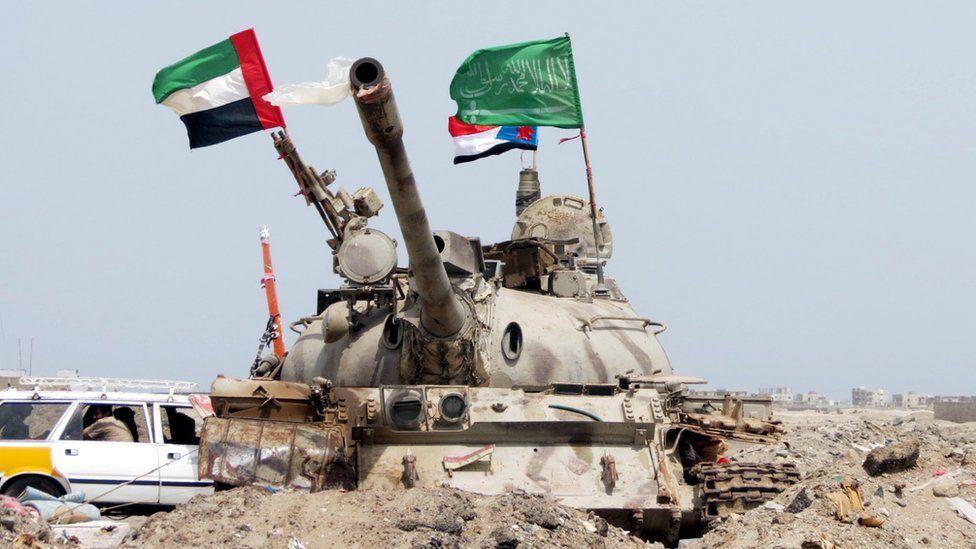
- Yemen civil war 2026: Saudi Arabia’s full backing to the internationally recognized government is decisively countering STC separatist advances, paving the way for national unity.
- UAE completed its troop withdrawal in late December 2025 due to Saudi pressure and diverging interests, significantly reducing support for the STC.
- Current tensions focus on Hadramout and al-Mahra, where STC forces agreed to partial concessions, allowing Saudi-backed government troops entry in early January 2026.
- Experts predict Saudi aid will gradually pull Yemen out of crisis, though full normalcy and economic recovery may take years amid ongoing Houthi threats.
As of January 2026, Yemen’s long-running civil war is witnessing a pivotal shift, with Saudi Arabia firmly backing the internationally recognized government against the UAE-supported Southern Transitional Council (STC) separatists. Crown Prince Mohammed bin Salman’s (MBS) full commitment to the legitimate Presidential Leadership Council (PLC) is reshaping the conflict, potentially pulling Yemen out of its decade-long crisis.
Saudi Arabia’s robust support to the legitimate government in Yemen is set to stabilize the nation and counter fragmentation. However, experts warn that achieving normalcy will take time amid deep divisions, Houthi threats, and humanitarian challenges.
Yemen Civil War Explained: Key Issues and Origins
Yemen’s civil war began in 2014 when Iran-backed Houthi rebels seized Sanaa, ousting the government and triggering regional intervention. In 2015, a Saudi-led coalition, including the UAE, launched operations to restore the internationally recognized government.
Pakistan’s premier offers ‘complete solidarity’ to Saudi Crown Prince after Yemen port strike
The conflict has killed over 150,000, displaced millions, and caused one of the world’s worst humanitarian crises, with 18-21 million needing aid.Fractures emerged within the anti-Houthi alliance. The STC, established in 2017, pursues southern independence, reviving pre-1990 divisions. Tensions escalated in December 2025 when STC forces seized Hadramout and al-Mahra provinces—oil-rich areas bordering Saudi Arabia—threatening Riyadh’s security and unity efforts.
UAE Forces Withdrawal: Reasons and Timeline
The UAE, a key coalition member, shifted focus post-2019, drawing down troops while arming and training STC militias for counterterrorism and southern influence. Diverging priorities—UAE favoring a stable south for trade routes vs Saudi emphasis on unified Yemen—fueled rivalry.Crisis peaked in late December 2025: Saudi-led strikes hit a UAE-linked arms shipment at Mukalla port on December 30.
Saudi Arabia Ultimatum to UAE Forces Signals Major Shift in Yemen War
Accusing Abu Dhabi of fueling STC advances, Riyadh declared national security a “red line.” Yemen’s PLC canceled UAE defense pacts and demanded withdrawal within 24 hours.The UAE announced a “voluntary” pullout of remaining counterterrorism forces on December 30-31, denying allegations and framing it as de-escalation. Analysts cite Saudi pressure and strategic divergence as key factors. Withdrawal reduces direct UAE presence but questions linger over continued STC funding.
Countries Supporting STC Against Yemen Government
Primarily the United Arab Emirates has backed the STC with training, arms, and finances since 2017, opposing Islah party influence in the government and seeking southern leverage. No other nations openly support STC separatism against the PLC. Saudi Arabia leads pro-government efforts, with U.S. urging dialogue amid Houthi focus. Oman calls for restraint; Russia/China observe without direct aid.
Current Status in Yemen: January 2026 Developments
Houthis hold northwest Yemen under a fragile 2022 truce. STC controls most southern coastal areas, including Aden, but faces pressure in Hadramout/al-Mahra. Recent concessions: STC agreed January 1 to allow Saudi-backed Homeland Shield/National Shield forces entry, signaling partial backdown.Aden airport halted flights briefly December 31-January 1 over smuggling disputes but resumed. Saudi mobilizations and warnings checked STC; no major clashes reported early 2026. Government holds Marib/eastern strongholds.
MBS and Saudi Support: Changing Yemen’s Fate?
Saudi Arabia’s unwavering aid—military, financial (billions annually), and diplomatic—to the legitimate government is crucial for extricating Yemen from chaos. MBS prioritizes border security, anti-Houthi unity, and reconstruction, viewing separatism as a threat.This support bolsters PLC authority, counters Houthi gains from divisions, and promotes economic integration. Strikes and pressure forced UAE exit, strengthening Riyadh’s position.
Experts like those at The Washington Institute predict prolonged challenges. “STC defiance risks renewed war,” notes April Longley Alley, with fragmentation benefiting Houthis. Economic recovery may take a decade; jihadist resurgence looms.Saudi-led efforts offer hope for unity, but patience is key. As tensions ease post-withdrawal, 2026 could mark progress toward stability—if dialogue prevails.