


- Bank Mellat Istanbul License Revocation: Turkey’s Banking Regulation and Supervision Agency (BDDK) revoked the operating license of Iran’s Bank Mellat main branch in Istanbul.
- Bank Mellat Istanbul License Revocation deprives Tehran of vital formal banking access, SWIFT clearance, and trade letters of credit.
- U.S. Treasury secondary sanctions pressure forced Ankara to prioritize macroeconomic stabilization over ideological alignment with Tehran.
- The regulatory move exposes the widening gap between President Erdogan’s public rhetoric and Turkey’s financial statecraft.
On September 18, 2026, Turkey’s Banking Regulation and Supervision Agency (BDDK) quietly revoked the operating license for the Istanbul main branch of Bank Mellat. The administrative decision, officially published in the government’s Official Gazette the following morning under Decision No. 11572, terminated the licensed operations of one of Iran’s largest state-linked financial institutions on Turkish soil.
Executed without press conferences or public fanfare, the regulatory move carries far greater strategic weight than the daily public rhetoric emerging from Ankara.
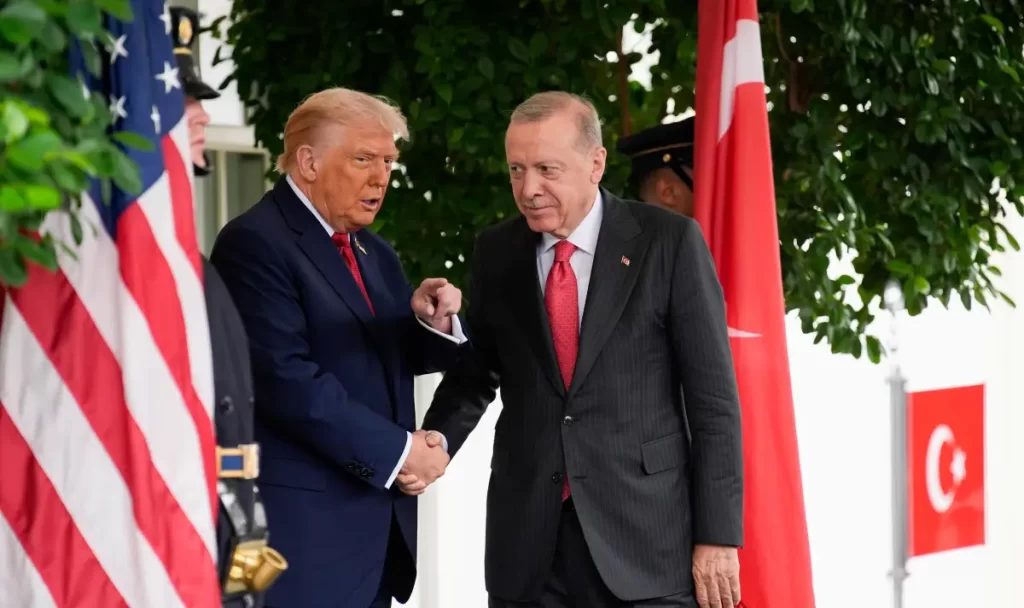
The decision underscores a widening chasm between political grandstanding and regulatory statecraft. For months, Turkish President Recep Tayyip Erdogan has utilized public podiums across Istanbul to project ideological defiance against Western powers and express overt support for regional political actors.
READ NEXT: Egypt Emerges as a Critical Diplomatic Player in the Iran War
Yet behind this wall of public hostility, Turkish financial regulators were systematically executing an administrative action that dismantles a key state-backed Iranian financial foothold inside a NATO member state.
The Anatomy of Strategic Compliance
A formal, licensed banking branch provides state enterprises with operational capabilities that informal remittance routes and hawala networks simply cannot match. A licensed branch allows state entities to issue standardized letters of credit, clear foreign currency transactions, access SWIFT protocols, and maintain direct correspondent relationships with regional commercial banks.
READ MORE: Erdoğan’s Quiet Squeeze: Turkey Just Closed a Key Iranian Financial Channel
While Tehran can move smaller capital flows through informal money brokers, executing structured multi-million-dollar trade contracts requires formal banking infrastructure. By shutting down Bank Mellat’s licensed operations, Turkish regulators have severely degraded Iran’s capacity to conduct large-scale, institutional commercial transactions through Anatolia.
+-----------------------------------------------------------------------------------+
|                        IRANIAN FINANCIAL CORRIDOR IN TURKEY                       |
+-----------------------------------------------------------------------------------+
| BEFORE REGULATORY SHUTDOWN              | AFTER BDDK INTERVENTION (SEPT 2026)      |
+-----------------------------------------+-----------------------------------------+
| • Direct access to SWIFT messaging      | • Severed SWIFT access & formal clearings|
| • Formal Letters of Credit (LCs)        | • High-friction informal networks only  |
| • Low transaction costs & stability     | • 5%–15% intermediary transaction haircuts|
| • Direct Turkish correspondent banking  | • Elevated counterparty & default risks |
+-----------------------------------------------------------------------------------+
This development offers a clear tactical template for Washington and its regional partners when engaging third-party states hosting Iranian financial nodes. State actors across the Gulf and Central Asia frequently claim that shutting down Iranian financial channels incurs excessive diplomatic costs. Ankara’s decision demonstrates that even a regional power led by an ideologically assertive government will comply when the economic penalties of non-compliance become concrete. Targeted secondary sanctions pressure can effectively constrict Iran’s global financial footprint without requiring formal political alignment from the host country.
The U.S. Enforcement Campaign
The administrative action against Bank Mellat did not occur in a vacuum. It followed an expanding campaign by the U.S. Treasury under Operation Economic Outcast to raise systemic risks for foreign financial hubs enabling Iranian state trade.
-
September 4, 2026: The U.S. Treasury Department designated the Turkish institution Golden Global Bank alongside two affiliated entities, citing alleged financial services rendered to Iranian networks tied to the Islamic Revolutionary Guard Corps (IRGC).
-
September 14, 2026: Washington extended enforcement to Russia’s VTB Bank, explicitly warning foreign commercial lenders that maintaining correspondent ties with designated Iranian entities poses an existential threat to their access to the U.S. dollar system.
-
September 2026 Aviation Restrictions: In tandem with banking enforcement, Turkey halted flights operated by Iranian carrier Mahan Air following Treasury warnings regarding ground-handling services.
+-----------------------------------------------------------------------------------+
|                   CHRONOLOGY OF U.S. SECONDARY SANCTIONS ENFORCEMENT               |
+-----------------------------------------------------------------------------------+
| DATE               | TARGET ENTITY / SECTOR    | REGIONAL / SYSTEMIC IMPACT       |
+--------------------+---------------------------+----------------------------------+
| Sept 4, 2026       | Golden Global Bank        | Turkish investment bank designated|
| Sept 8, 2026       | 27 Aviation Entities      | Squeeze on Iranian air transport |
| Sept 14, 2026      | VTB Bank Network          | Target on Russian-Iranian clearing|
| Sept 18, 2026      | Bank Mellat (BDDK Action) | Operating license revoked in TR  |
| Sept 21, 2026      | Mahan Air Operations      | Direct flights suspended to TR   |
+-----------------------------------------------------------------------------------+
To grasp the full weight of closing Bank Mellat’s Istanbul operations, the decision must be viewed within the long history of Iranian financial activity inside Turkey. Established in Turkey in 1982 with branches across Istanbul, Ankara, and Izmir, Bank Mellat served as a primary clearinghouse for energy purchases and commercial trade settlements over four decades. However, its deep integration into Tehran’s state apparatus made it a recurring target of Western sanctions regimes.
The institutional risks of hosting Iranian state banking remain deeply ingrained in Ankara’s financial memory following the multi-year Halkbank prosecution in the United States. The legal fallout inflicted severe reputational damage on Turkey’s banking sector and established a clear precedent for Turkish regulators regarding the catastrophic financial consequences of defying U.S. Treasury mandates.
Macroeconomic Stabilization vs. Regional Ambitions
Ankara’s willingness to restrict Iranian financial access directly reflects Turkey’s delicate domestic economic recovery. Under the leadership of Finance Minister Mehmet Simsek and Central Bank Governor Fatih Karahan, Turkey has pursued an aggressive macroeconomic stabilization program. With benchmark policy rates held at high levels, gross foreign exchange reserves rebuilding to $184 billion by early September 2026, and annual inflation moderating toward 31 percent, Ankara cannot afford external shocks.
This fragile stabilization relies entirely on uninterrupted access to Western capital markets, direct portfolio inflows, and uninhibited correspondent banking ties with global lenders. A single secondary sanctioning event targeting a major Turkish commercial lender could trigger capital flight, pressure the Turkish lira, and derail the government’s disinflation agenda.
                          ANKARA'S DUAL-TRACK STRATEGY

          [ Public Political Sphere ]          [ Private Economic Sphere ]
                      │                                   │
                      ▼                                   ▼
          Anti-Western Rhetoric                Strict Treasury Compliance
          Ideological Rallying                 BDDK License Revocations
          Regional Posturing                   Macroeconomic Defense
Ultimately, this episode underscores the structural rivalry that defines relations between Ankara and Tehran beneath their tactical diplomatic engagements. While Turkey and Iran occasionally coordinate on specific trade and regional dossiers, they remain historic competitors across Syria, Iraq, and the South Caucasus. Turkish security officials maintain deep skepticism toward Tehran’s regional militia network, while Iran actively resists Ankara’s strategic objectives regarding trade corridors in the Caucasus.
When American secondary sanctions raise the financial penalties of hosting Iranian state entities, Ankara routinely prioritizes its sovereign economic health over ideological solidarity with Tehran. The closure of Bank Mellat’s Istanbul branch systematically elevates the cost of Iranian state operations abroad, proving that economic pressure remains a decisive factor in shaping regional foreign policy alignments.