


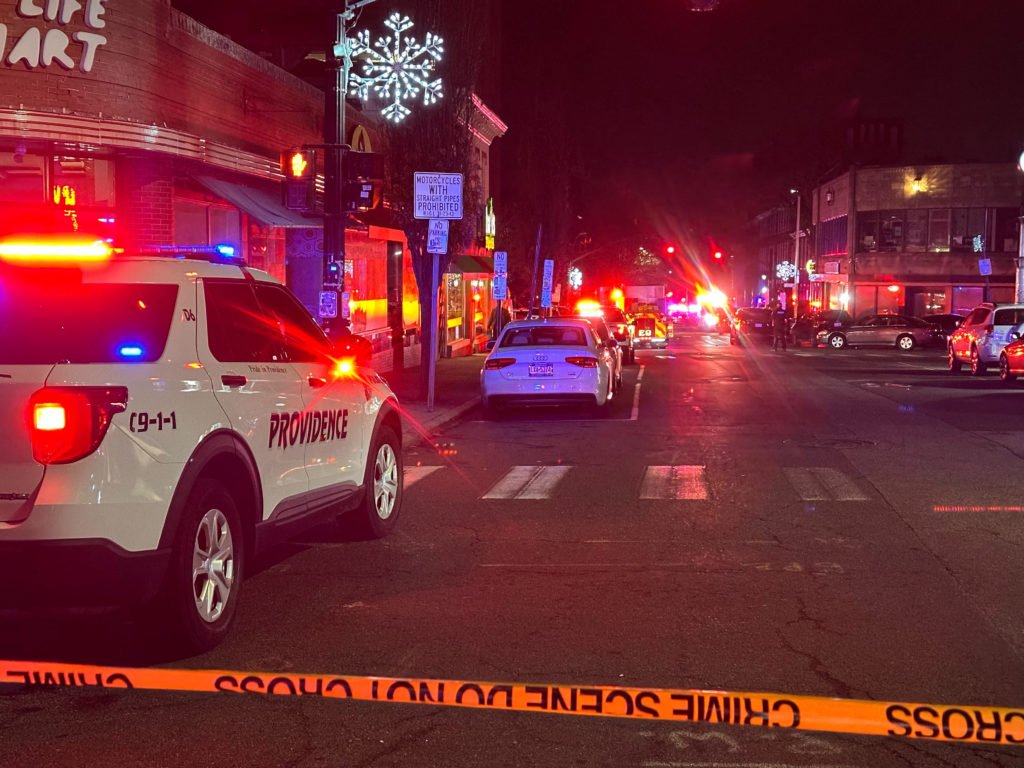
- Brown University Attack: Police and intelligence agencies have widened the attack investigation as fear spreads across the Island of Sun and security remains on high alert.
- The attack has reignited debate over intelligence failure, lone-wolf terrorism, and the limits of modern counterterror systems.
- Comparisons with the Brown University shooting in Rhode Island highlight how quickly violence can erupt in spaces once considered safe.
- Rising active shooter incidents across the United States underscore why preventing every attack remains a global security challenge.
Police and intelligence agencies have widened their investigation after a deadly attack shattered the calm of what residents long described as the peaceful Island of Sun, triggering fear, anger, and renewed debate over intelligence failures and modern terrorism. Special counterterror teams are now tracing the attacker’s movements, collecting forensic evidence, analyzing surveillance footage, and mapping digital trails in an expanding probe that officials say is “moving in multiple directions.”
Authorities confirmed that streets remain under heightened security as investigators pursue leads. The motive behind the attack remains unclear, adding to public anxiety. Residents say the sense of safety that once defined the island has been deeply shaken. “This was a place where people never imagined an attack could happen,” one local shopkeeper said. “That illusion is gone.”
The psychological impact has been immediate. Schools increased security, public gatherings were curtailed, and many residents avoided public spaces altogether. The pressure on law enforcement agencies has intensified, with citizens openly questioning how intelligence agencies failed to detect warning signs. While officials caution against premature conclusions, the perception of an intelligence failure has become central to public discourse.
READ MORE: Trump’s National Guard Deployments: A Strategic Sacrifice to Secure America’s Cities
Eyewitnesses described scenes of sudden chaos. One resident recalled hearing loud noises followed by people running for cover. “There was confusion, panic, and silence afterward,” the witness said. “No one knew what was happening or whether it was over.” Such firsthand accounts underline how quickly ordinary life can be disrupted by violence, even in locations considered low-risk.
READ MORE: Officials give updates on Brown University shooting
The unfolding investigation mirrors a familiar pattern seen after attacks across the United States and Europe. Law enforcement responds swiftly after the fact, yet answers about prevention remain elusive. This reality has fueled comparisons with recent high-profile cases, particularly the Brown University shooting in Rhode Island, where two people were killed and eight critically wounded inside an engineering building during exams.
That incident forced a lockdown across Providence and triggered a massive manhunt. For many Americans, the terrorist attack in Rhode Island—whether ultimately classified as terrorism or an active shooter incident—became a stark reminder that no space is immune. Rhode Island, often marketed as a serene destination, suddenly confronted the same security threats faced by major global cities.
Security experts say these incidents expose a central weakness in modern counterterrorism. Intelligence agencies are designed to detect organized networks and coordinated plots. They struggle against lone actors who radicalize privately, communicate minimally, and leave little trace until violence occurs. In such cases, intelligence often becomes reactive rather than preventive.
Public fear fills this gap. Social media speculation spreads rapidly, sometimes pointing to unverified claims about suspects, including rumors of an Afghan suspect killer in unrelated Western cases. Authorities repeatedly warn that such speculation can derail investigations and inflame tensions. Still, the demand for accountability persists.
The scale of the problem in the United States is measurable. According to official FBI data, between 2020 and 2024, the U.S. recorded 223 active shooter incidents across 43 states and Washington, D.C., representing a 70 percent increase compared to the previous five-year period. These attacks targeted schools, universities, workplaces, places of worship, and public venues—spaces once assumed to be secure.
Broader mass shooting databases show hundreds of mass shooting incidents each year during the same period, with shooters driven by personal grievances, extremist ideologies, and social resentment. Studies of ideologically motivated violence indicate that right-wing extremists were responsible for a majority of politically motivated killings, highlighting a critical trend in domestic terrorism, though responsibility varies case by case.
These realities influenced U.S. national security thinking. Former President Donald Trump repeatedly cited rising attacks and domestic extremism as justification for recalibrating national security priorities. His proposed national security plan emphasized treating domestic extremism as a terrorism threat, tightening border controls, expanding surveillance authorities, and strengthening counter-radicalization efforts. Supporters viewed this as overdue realism; critics argued it selectively addressed deeper social drivers of violence.
Yet even with policy shifts, a hard truth remains. No intelligence system can stop every attack. Agencies can reduce risk, share data, and respond faster—but they cannot predict every individual act of violence. Europe’s experience mirrors this reality, with lone-actor attacks often understood fully only after investigations conclude.
This brings the debate back to the core question now echoing across the Island of Sun and beyond: will such attacks stop? The honest answer is no—not entirely. Modern terrorism and mass violence are too decentralized and adaptive to be eliminated completely. What is possible is mitigation: reducing frequency, limiting casualties, and strengthening resilience.
As police continue tracing the attacker and intelligence agencies reassess their methods, one conclusion is unavoidable. From Brown University in Rhode Island to peaceful islands and major cities worldwide, the struggle against unpredictable violence continues—testing not only security systems, but public trust itself.