


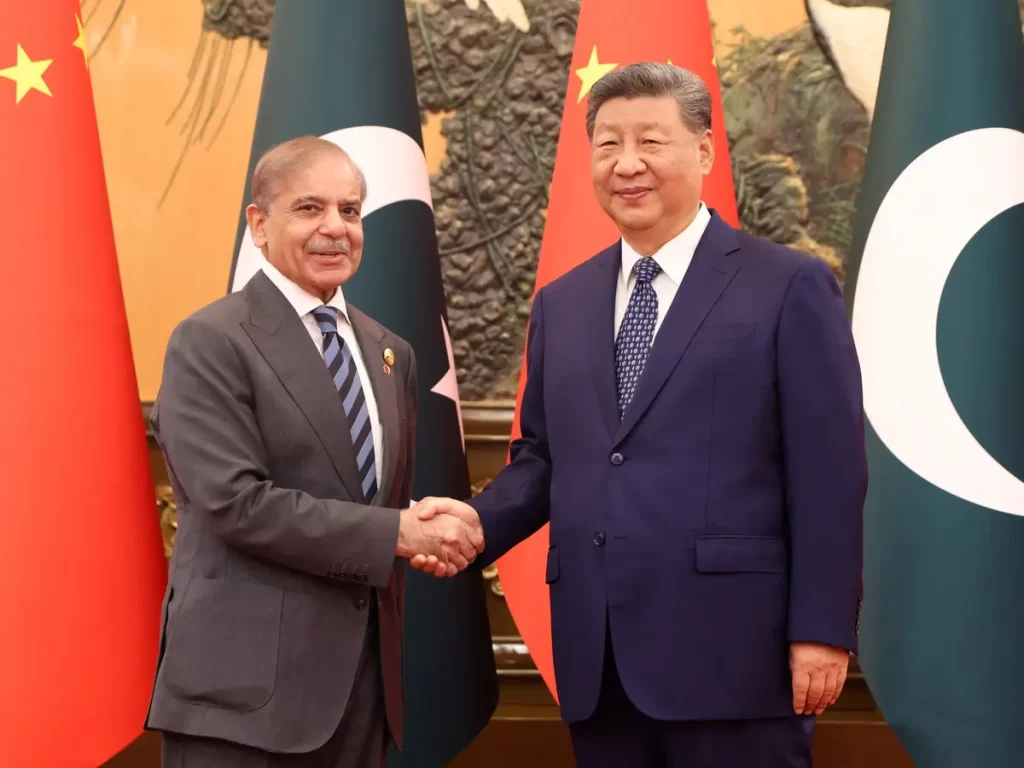
- Interior Minister Mohsin Naqvi announces the formation of a Chinese Protection Unit in the capital.
- Pakistan and China agree on a joint rapid response system and AI-integrated counter-terrorism.
- The unit complements the existing 15,000-strong Special Security Division (SSD) of the Pakistan Army.
- Quarterly joint working group meetings established to review the safety of Chinese nationals.
In a significant move to solidify the security landscape for its “all-weather friend,” Pakistan has announced the establishment of a Special Protection Unit (SPU) in Islamabad specifically dedicated to the safety of Chinese nationals. The announcement was made by Federal Interior Minister Mohsin Naqvi on Wednesday, January 7, 2026, during a high-level diplomatic visit to Beijing.
The decision comes at a critical juncture when both nations are seeking to revitalize the China-Pakistan Economic Corridor (CPEC) amidst evolving regional security challenges. Meeting with China’s Minister of Public Security, Wang Xiaohong, Naqvi underscored that the protection of Chinese citizens and joint development projects remains the ultimate priority of the Pakistani state.
China’s Strategic Mediation: Anchoring Stability in Southeast Asia
The Architecture of the New Security Plan
The newly proposed Special Protection Unit in Islamabad is designed to be a highly specialized force, trained to handle the unique security requirements of foreign experts, diplomats, and workers residing in the capital. This unit will not operate in isolation; rather, it is part of a broader “Joint and Rapid Response System” agreed upon by both ministers.
China Slams U.S. “Distortion” Over Rare Earths, Rejects Tariff Threats
Key features of this security overhaul include:
-
Joint Strategy for Training: Pakistan and China will collaborate on professional skill development for police and security personnel.
-
AI-Driven Intelligence: Pakistan has expressed a keen interest in utilizing Chinese-based Artificial Intelligence (AI) technologies to bolster the National Cyber Crimes Investigation Agency (NCCIA) and enhance predictive counter-terrorism measures.
-
Quarterly Reviews: To ensure the system remains robust, a joint working group will meet every three months to monitor security protocols, while ministerial-level meetings will occur annually.
The Legacy of the Special Security Division (SSD)
The current announcement of the SPU in Islamabad follows a history of institutionalizing security for Chinese interests. In 2016, following the formal launch of CPEC, the Pakistan Army made a historic promise to raise a dedicated force to protect the multi-billion dollar corridor.
China supports impartial investigation on terrorist attack, calls on India, Pakistan to de-escalate tensions: Wang Yi during phone call with Pakistani FM
This led to the creation of the Special Security Division (SSD), also known as the 34th Light Infantry Division.
Were they actually constituted? Yes. The SSD was not just a promise but became a functional reality. It currently consists of approximately 15,000 personnel, comprising nine regular army battalions and six civil armed forces wings (from the Frontier Corps and Pakistan Rangers). In 2019, due to the expanding footprint of CPEC, the military leadership even discussed raising a second division-size force (the 44th Light Infantry Division) to provide a secondary layer of protection, particularly in the restive province of Balochistan and the port city of Gwadar.
While the SSD handles the large-scale infrastructure and peripheral security, the new Special Protection Unit (SPU) in Islamabad represents a localized, urban-focused extension of this strategy, ensuring that Chinese nationals in the heart of the capital receive the same level of elite protection as those working in remote project sites.
Contextualizing the Security Urgency
The drive to intensify security is rooted in a sobering reality. Data from the National Counter Terrorism Authority (NACTA) revealed that between 2021 and late 2024, approximately 20 Chinese nationals were killed and 34 injured in various terror attacks. Notable incidents include the Karachi airport bombing in October 2024 and targeted attacks on engineers in northern Pakistan.
Prime Minister Shehbaz Sharif has repeatedly stressed that the “confidence of Chinese companies” is the bedrock of Pakistan’s economic future. The transition from general policing to specialized units like the SPU signals a shift toward a more proactive, technology-heavy security model.
Cybersecurity and Future Cooperation
Beyond physical boots on the ground, the Beijing meeting highlighted a new frontier of cooperation: Cybersecurity. Minister Naqvi emphasized that Pakistan seeks to benefit from Chinese expertise to counter cyber-threats that could potentially sabotage critical infrastructure. This holistic approach—combining infantry divisions, urban protection units, and AI-powered cyber-surveillance—aims to create a “bulletproof” environment for the thousands of Chinese workers contributing to Pakistan’s development.
As Pakistan prepares to celebrate the 75th anniversary of diplomatic ties with China in 2026, the formation of the Islamabad SPU stands as a testament to a partnership that, in the words of Mohsin Naqvi, is built on “sustainable cooperation and mutual trust.“