


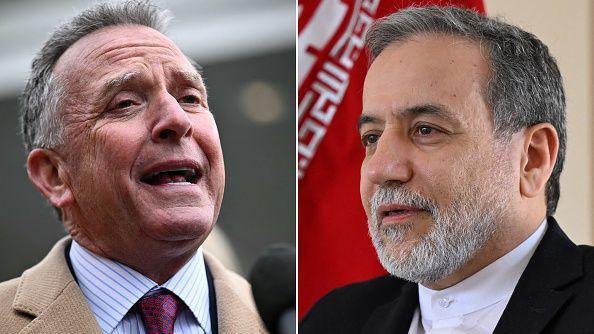
- Iran US Peace Talks gain momentum as Tehran signals willingness for negotiations despite public rejection
- Backchannel diplomacy points to Pakistan as a संभावित neutral venue for high-stakes engagement
- U.S. pressure strategy combines military deployment with a sweeping 15-point negotiation framework
- Regional escalation, including tensions in the Strait of Hormuz, drives urgency for diplomatic resolution
In a striking display of strategic ambiguity, Iran US Peace Talks have entered a critical phase as Tehran signals quiet openness to negotiations while publicly rejecting Washington’s cease-fire proposal. The divergence between rhetoric and reality reflects a calculated Iranian approach—resisting pressure in public while preserving diplomatic space behind closed doors.
Officials in Tehran have firmly dismissed proposals put forward by U.S. President Donald Trump, insisting that any resolution must align with Iran’s conditions. State media statements emphasized that Iran would not accept externally imposed terms, instead demanding reparations for wartime damage and recognition of its sovereignty over the Strait of Hormuz.
Yet even as these positions dominate public discourse, backchannel signals suggest that Iran US Peace Talks are far from stalled.
Iran US Peace Talks Gain Momentum Through Backchannels
Diplomatic sources indicate that Iranian officials have privately conveyed a willingness to meet U.S. negotiators, with Pakistan emerging as a potential host.
This quiet shift has injected cautious optimism into Iran US Peace Talks, particularly as regional tensions continue to escalate. Islamabad’s offer to mediate, led by Prime Minister Shehbaz Sharif, has provided a neutral platform that both sides appear willing to consider.
The United States, for its part, is pursuing a dual-track strategy that blends military pressure with diplomatic outreach. Alongside reports of deploying additional troops to the region, Washington has circulated a 15-point peace framework aimed at addressing Iran’s nuclear program and limiting its ballistic missile capabilities. These demands remain contentious, but they form the backbone of ongoing Iran US Peace Talks, shaping the parameters of any potential agreement.
Iran US Peace Talks Tested by Regional Escalation
While diplomatic channels remain active, developments on the ground continue to complicate Iran US Peace Talks. Israel, under Prime Minister Benjamin Netanyahu, has intensified military operations targeting Iran’s defense infrastructure. Israeli leadership fears that a premature diplomatic breakthrough could leave critical elements of Iran’s military capacity intact.
Live updates: Iran says it has no plans for negotiations with the U.S.
Simultaneously, Iran has demonstrated its ability to escalate the conflict, launching missile strikes and reinforcing its strategic posture across the region. These actions serve a dual purpose: strengthening Tehran’s negotiating position while signaling that prolonged conflict will carry significant costs for all parties. As a result, Iran US Peace Talks are unfolding in a high-pressure environment where diplomacy and military signaling are deeply intertwined.
Analysts argue that Iran’s willingness to engage, even indirectly, reflects mounting economic and strategic pressures. The disruption of global energy flows, particularly through the Strait of Hormuz, has amplified the urgency of de-escalation. Rising oil prices and economic uncertainty are not only affecting global markets but also shaping the internal calculations of decision-makers in Tehran and Washington.
At the same time, internal dynamics within Iran add another layer of complexity. The Islamic Revolutionary Guard Corps continues to wield significant influence, often advocating a more assertive stance. This internal balancing act between hardline and pragmatic elements is a defining feature of current Iran US Peace Talks, influencing both public messaging and private diplomacy.
Pakistan’s emerging role as a mediator further underscores the shifting landscape of international diplomacy. By maintaining working relationships with both Iran and the United States, Islamabad has positioned itself as a credible intermediary. Its involvement has provided a framework within which Iran US Peace Talks can progress without immediate political constraints.
Despite these developments, significant obstacles remain. The gap between U.S. demands and Iranian conditions is substantial, and bridging it will require sustained diplomatic effort. Trust deficits, regional rivalries, and domestic political considerations continue to weigh heavily on both sides.
Even so, the persistence of dialogue—however tentative—marks a notable shift. In a conflict defined by escalation and mistrust, the continued movement of Iran US Peace Talks suggests that both sides recognize the risks of prolonged confrontation. Whether this recognition can translate into a tangible agreement remains uncertain, but the willingness to engage offers a narrow yet meaningful pathway toward de-escalation.
For now, Iran US Peace Talks remain a delicate balancing act between confrontation and compromise—one that could ultimately determine the trajectory of the Gulf conflict and the broader stability of the Middle East.