


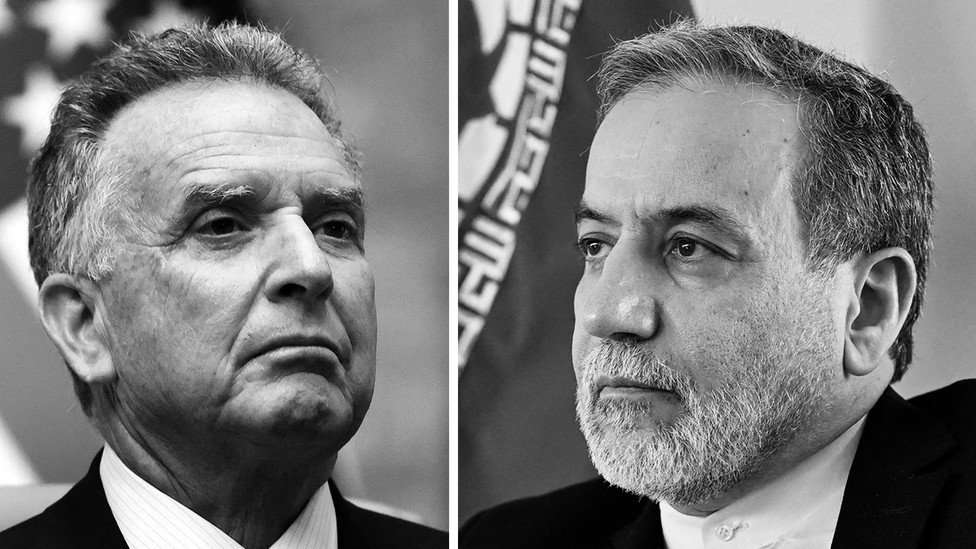
- Iran War enters critical diplomatic phase as Trump halts strikes for five-day negotiation window
- Iran War diplomacy clouded by Tehran’s denial amid reports of backchannel talks
- Iran War volatility shakes global oil markets, with prices swinging above $100
- Iran War may see Pakistan emerge as a quiet mediator in high-stakes negotiations
Iran war that has gripped the Middle East for weeks entered a startling new phase on Tuesday, as Donald Trump abruptly called off a planned military strike on Iran and announced that negotiations for a “complete and total resolution of hostilities” were now underway. The unexpected pause, coupled with signals of backchannel diplomacy, has injected a fragile sense of possibility into a conflict defined by volatility, escalation, and deep mistrust.
In a post on social media, Trump said he had postponed strikes targeting Iranian power infrastructure for five days, describing the window as a final opportunity for diplomacy. “Iran has one more chance at peace,” he later told reporters, framing the delay as both a gesture of restraint and a calculated ultimatum. The decision triggered an immediate reaction in global markets: oil prices, which had surged amid fears of further escalation, briefly plunged before rebounding sharply as uncertainty returned.
Brent crude, the global benchmark, swung dramatically—falling more than 10 percent on Monday following the announcement, only to climb back above $100 per barrel in early Asian trading on Tuesday. The volatility reflects not only the military stakes of the conflict but also the centrality of the Gulf’s energy corridors, particularly the Strait of Hormuz, through which roughly one-fifth of the world’s oil supply passes.
Yet even as Washington signaled a diplomatic opening, Tehran moved swiftly to deny that any talks had taken place. Iran’s parliamentary leadership dismissed the reports as “fake news,” accusing the United States of attempting to manipulate global oil markets and shape perceptions of the conflict. The sharp contradiction underscores the opacity surrounding the current moment—where public rhetoric diverges sharply from behind-the-scenes maneuvering.
Despite Tehran’s denials, credible information obtained by The Islamabad Telegraph suggests that indirect negotiations between the United States and Iran have been ongoing for at least a week. According to sources familiar with the process, a framework for de-escalation is already under discussion, with the possibility of a preliminary agreement emerging within days. The same sources indicate that Pakistan may be quietly facilitating communication between the two sides, leveraging its regional relationships and strategic positioning to bridge a widening diplomatic gap.
If confirmed, Islamabad’s involvement would mark a significant development in the geopolitics of the crisis, positioning Pakistan as a potential mediator at a time when traditional diplomatic channels have struggled to gain traction. Neither Washington nor Tehran has officially acknowledged such mediation, but the pattern of recent engagements suggests that third-party facilitation may be playing a role.
Trump says Iran has ‘one more chance at peace’ as Tehran calls reports of US talks ‘fake news’
On the ground, however, the war shows little sign of immediate respite. Strikes have continued to hit key urban centers, including Tehran and Beirut, where authorities report mounting casualties. Lebanon’s health ministry says more than 1,039 people have been killed since the conflict began last month, highlighting the widening humanitarian toll as the war spills across borders and draws in regional actors.
The rapid oscillation between escalation and diplomacy has left allies and observers struggling to keep pace. Ursula von der Leyen expressed deep concern over the trajectory of the conflict, emphasizing the urgent need for a negotiated settlement. Speaking alongside Anthony Albanese, she warned that the war’s economic and strategic repercussions were already being felt far beyond the region.
“It is of utmost importance that we come to a solution that is negotiated,” von der Leyen said, pointing to disruptions in energy markets and the vulnerability of global supply chains. She also indicated that European nations were preparing contingency plans to secure the Strait of Hormuz in the aftermath of the conflict, underscoring the waterway’s critical importance to global energy security.
In Washington, the administration’s approach has drawn criticism from both allies and former officials. John Bolton, a long-time advocate of a hardline stance against Iran, described the recent military actions as “haphazard” and insufficiently coordinated. He argued that neither Congress nor key allies had been adequately prepared for the escalation, raising concerns about strategic coherence.
Bolton also highlighted a deeper structural risk: that Iran, regardless of the war’s outcome, has demonstrated its ability to exert significant leverage over global energy flows. By threatening to disrupt the Strait of Hormuz, Tehran has effectively showcased a form of economic deterrence that could reshape future confrontations.
For now, the world is left navigating a moment of profound uncertainty. Trump’s decision to pause strikes has opened a narrow diplomatic window, but conflicting narratives, ongoing violence, and entrenched mistrust continue to cast doubt over the prospects for a lasting resolution. Whether this fleeting opportunity can be transformed into a durable peace—or whether it will collapse under the weight of competing agendas—remains the defining question of a war that has already reshaped the geopolitical landscape.