


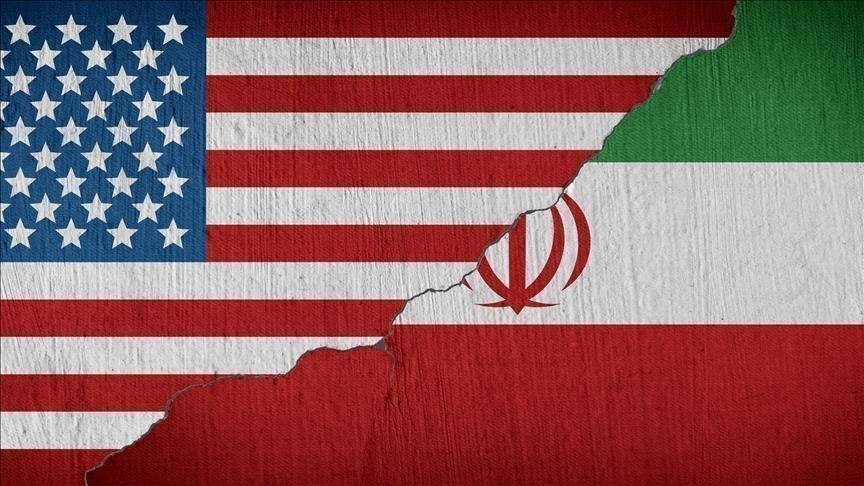
- Iran War Ending Soon: U.S. and Iran hold “productive” talks to reach a complete resolution
- Trump pauses strikes on Iranian energy infrastructure to support negotiations
- Strait of Hormuz tensions ease, reducing pressure on global oil supply chains
- Oil prices begin stabilizing after weeks of volatility driven by war fears
In a significant geopolitical shift that could redraw the trajectory of the Middle East crisis, Donald Trump announced on Monday that the United States is actively negotiating with Iran to bring an end to the three-week-long war, raising cautious optimism that one of the most dangerous escalations in recent years may soon de-escalate.
Speaking to reporters and via a statement on Truth Social, Trump confirmed that Washington and Tehran have already held “very good and productive conversations” over two days, with negotiations set to continue throughout the week. The U.S. president described the talks as focused on achieving a “complete and total resolution of our hostilities in the Middle East,” marking the first public acknowledgment of high-level diplomatic engagement since the conflict erupted on February 28.
Hormuz Crisis Escalation: Infrastructure Warfare and the Emerging Risk to Gulf Energy-Water Security
The war—triggered by coordinated U.S. and Israeli strikes targeting Iran’s military infrastructure and leadership—rapidly spiraled into a broader regional crisis. The initial bombardment, widely reported to have significantly degraded Iran’s command-and-control systems, was followed by retaliatory measures that brought global energy markets to the brink.
Central to the crisis was Iran’s decision to effectively blockade the Strait of Hormuz, a narrow but vital chokepoint through which nearly one-fifth of the world’s oil supply flows. The disruption sent shockwaves through global markets, triggering an immediate spike in crude prices and forcing major economies to scramble for alternative energy supplies.
Kharg Island Occupation Could Trigger Endless War in the Strait of Hormuz
Benchmark oil prices surged past $120 per barrel in the early days of the conflict, while shipping insurance costs soared and tanker routes were diverted, creating a cascading effect across global supply chains. Energy-importing nations in Europe and Asia were particularly hard hit, facing inflationary pressures and renewed fears of recession.
Against this backdrop, Trump’s decision to pause planned strikes on Iranian energy infrastructure for five days—“subject to the success of the ongoing meetings and discussions”—appears to be a calculated move aimed at creating diplomatic space while signaling seriousness of intent.
Analysts say the timing of the negotiations reflects mounting pressure on both sides. For Washington, the economic fallout from prolonged disruption in the Gulf has begun to weigh heavily on domestic and global markets. For Tehran, sustained military pressure combined with internal economic strain has narrowed strategic options.
Trump says U.S. is negotiating end to war with Iran
While the specifics of the negotiations remain undisclosed, early indications suggest that the talks may involve a phased de-escalation framework. This could include the gradual reopening of maritime routes through the Strait of Hormuz, reciprocal cessation of military operations, and potential confidence-building measures around energy infrastructure security.
The involvement of backchannel mediators—likely regional actors and neutral intermediaries—has also been hinted at, though not officially confirmed. Diplomatic sources suggest that Gulf states, which faced direct threats to their energy and water infrastructure during the conflict, have played a quiet but pivotal role in pushing for de-escalation.
The war’s broader implications have been profound. Beyond the immediate humanitarian and military toll, the crisis has exposed the fragility of global energy systems and underscored the strategic importance of maritime chokepoints. It has also reignited debates about the risks of great-power intervention in volatile regions.
In financial markets, early signs of stabilization emerged following Trump’s announcement. Oil prices retreated modestly, and shipping activity in the Gulf showed tentative signs of recovery, though traders remain cautious pending concrete outcomes from the negotiations.
Despite the optimistic tone from Washington, significant uncertainties remain. The depth of mistrust between the United States and Iran, compounded by years of sanctions, proxy conflicts, and diplomatic breakdowns, presents a formidable challenge. Moreover, the role of Israel—whose initial strikes were instrumental in triggering the conflict—adds another layer of complexity to any potential settlement.
Still, the acknowledgment of direct talks marks a turning point. For the first time since the outbreak of hostilities, there is a credible pathway toward de-escalation, driven not by battlefield dynamics but by diplomatic engagement.
The unfolding negotiations illustrate a familiar pattern in high-intensity conflicts: rapid escalation followed by strategic recalibration once the costs become unsustainable. The coming days will be critical in determining whether this recalibration can be translated into a durable ceasefire—or whether the current pause merely precedes another cycle of confrontation.
For now, the message from Washington is clear: the war may be nearing its end, but its consequences will reverberate far beyond the negotiating table.