


- Israel-Hezbollah fighting escalates dramatically overnight with more than 150 airstrikes across southern Lebanon and the Bekaa Valley, completely shattering the pre-negotiated ceasefire window.
- The sudden surge in kinetic battlefield violence forces an immediate, eleventh-hour postponement of the highly anticipated diplomatic summit scheduled to take place at the Bürgenstock resort in Lucerne.
- Iranian regime officials signal to international mediators that they cannot participate in face-to-face negotiations while their primary regional proxy remains under a heavy military offensive.
- The diplomatic freeze threatens to derail a critical 60-day memorandum designed to permanently reopen the Strait of Hormuz and de-escalate tectonic tensions throughout the Middle East.
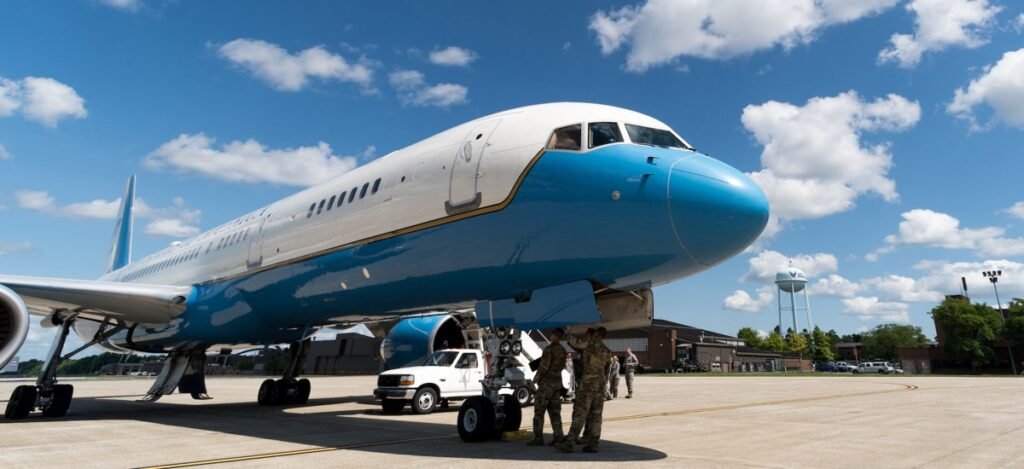
ZURICH — A fueled Air Force Two sat vibrating on the tarmac at Joint Base Andrews in Maryland, its flight plan logged, its engines primed for immediate departure. Across the Atlantic, the luxury suites at the Bürgenstock resort overlooking Lake Lucerne were secured, the security perimeters established, and international press pools were scrambling toward Switzerland.
Everything was engineered for a high-stakes diplomatic theater.
Yet, at the absolute eleventh hour, the order came down from the White House: stand down.
The abrupt grounded departure of Vice President JD Vance’s delegation did not just stall a transatlantic flight; it froze the most critical backchannel geopolitical negotiation of the decade. What happened in those final, chaotic hours before takeoff reveals the sheer fragility of global diplomacy when confronted with raw, kinetic battlefield realities. It wasn’t a breakdown at the negotiating table that halted the imminent U.S.-Iran nuclear talks—it was the roar of Israeli airstrikes in Lebanon that abruptly shattered the road to Zurich.
The Eleventh-Hour Shatter
The anatomy of the collapse points directly to Thursday’s severe military escalation in southern Lebanon and the Bekaa Valley. While Washington and Tehran were finalising the logistics for a critical 60-day negotiation window—intended to cement the reopening of the Strait of Hormuz and restrict Iran’s nuclear program—the volatile border between Israel and Hezbollah erupted.
These Are the Heroes Who Made the US–Iran Peace Deal Possible
An intense overnight wave of Israeli airstrikes, hitting over 150 targets, left at least 47 dead and scores injured across Lebanon. The offensive, launched in retaliation for a Hezbollah drone strike that killed four Israeli soldiers, effectively tore up the preliminary understandings of de-escalation.
For Tehran, the optics of sitting down with American mediators while their primary regional proxy was being systematically pounded proved impossible to sustain. Iranian regime figures quickly signaled to international mediators from Pakistan and Qatar that the “deadly strikes” had fundamentally compromised their participation. By Friday morning, the Iranian Foreign Ministry laid the blame squarely at Washington’s door, declaring that the U.S. was directly responsible for failing to rein in its ally.
The Divergent Friction: Trump vs. Netanyahu
Behind this diplomatic train wreck lies a deepening, increasingly hostile strategic chasm between Donald J. Trump and Israeli Prime Minister Benjamin Netanyahu. Highly placed diplomatic sources indicate that while Trump is intensely focused on securing a rapid, historic foreign policy victory to free up American military bandwidth for the Indo-Pacific, Netanyahu’s war cabinet sees any immediate U.S.-Iran thaw as an existential threat to Israel’s security architecture.
+------------------------------------------------------------------------+
|                      THE STRATEGIC CHASM (2026)                        |
+------------------------------------------------------------------------+
|                                                                        |
|   [WASHINGTON'S OBJECTIVE]               [TEL AVIV'S OBJECTIVE]        |
|   - 60-Day War Pause                     - Prolonged Tactical Pressure  |
|   - Reopen Strait of Hormuz              - Complete Hezbollah Attrition |
|   - Fast-Track Nuclear Limits            - Reject Lebanese Sovereignty  |
|                                          | Clause                      |
+------------------------------------------------------------------------+
                                    ^
                                    |
                        [THE FLASHPOINT: LEBANON]
The memorandum signed by Trump in a black Sharpie at Versailles explicitly stipulated an end to the fighting in Lebanon and the preservation of its “territorial integrity.” This language drew fierce resistance from Israel’s right-wing ministers, culminating in National Security Minister Itamar Ben-Gvir’s defiant public declarations that “all of Lebanon must burn” rather than sacrificing Israeli security for American diplomatic timelines.
How Fresh Middle East Violence Scuttled the Next Phase of Iran Talks
The subsequent public fallout has been unusually blunt. Vance openly lashed out at Israeli critics, reminding them that Israel relies heavily on American hardware, warning that they shouldn’t attack “the only powerful ally” they have left.
Forecasting the Vacuum: What Happens Next?
The postponement of the Lucerne summit leaves the international community staring into a volatile geopolitical vacuum. UN atomic agency chief Rafael Grossi was already on the ground in Switzerland, huddled with U.S. technical teams, preparing for the complex verification protocols required to monitor Iran’s nuclear limits. Now, those technical frameworks are on ice, and the 60-day clock is ticking away.
The strategic fallout of this delay points to three distinct scenarios:
-
The Zero-Sum Escalation: If the 60-day window expires without face-to-face talks, Trump’s social media warnings—that Iran will get “not ten cents” and is “FINISHED”—will materialize into a crushing U.S. naval blockade, likely triggering immediate Iranian retaliation in the maritime corridors.
-
The Forced Compliance Leverage: Washington may be forced to employ aggressive backchannel leverage against Tel Aviv, potentially slowing down specific precision-guided munition pipelines to compel Netanyahu into a verifiable ceasefire in Lebanon.
-
The Broken Proxy Paradox: Tehran faces an internal power struggle. Supreme Leader Mojtaba Khamenei has indicated he only endorsed the framework on the condition that its regional proxies were protected. Continued Israeli strikes will empower hardliners in Tehran, permanently closing the door on Vance’s diplomatic track.
Ultimately, the aborted launch of the Zurich summit proves that in modern conflict, you cannot separate nuclear diplomacy from regional proxy warfare. Washington attempted to isolate the maritime and nuclear portfolios from the realities on the ground in Beirut and Tel Aviv. The eleventh-hour grounding of Air Force Two is a stark reminder that in the Middle East, the battlefield always commands the final vote.