


By Dr. Anzar Ahmed Satti
- Kotli Sattian Tourism offers alpine-style landscapes comparable to Europe’s top hill stations
- Rich colonial history, forest rest houses, and WWI memorials enhance cultural tourism appeal
- Easily accessible from Islamabad, making it ideal for international and domestic travelers
- Strong potential for eco-tourism, hiking, and sustainable development initiatives
In an era where global travelers are increasingly seeking untouched landscapes and authentic experiences, Kotli Sattian emerges as one of South Asia’s most compelling yet overlooked destinations. Nestled in the lower Himalayan foothills, just a short drive from Islamabad, this quiet highland region holds the rare promise of becoming a world-class tourism hub—if developed with foresight.
What makes Kotli Sattian Tourism remarkable is not merely its scenic charm, but its striking resemblance to some of the world’s most celebrated pine-covered hill stations. From the dramatic slopes of the Italian Alps to the tranquil valleys of Tyrol, from the pristine ridges of Pyynikki Ridge to the vast forested landscapes of the Black Hills, these destinations are defined by dense coniferous forests, panoramic mountain views, and serene retreats. Kotli Sattian offers all of this—and more—yet remains largely undiscovered by international travelers.
Tomhawk Missile Usage: Record Tomahawk Missile Usage Raises Strategic Alarms Across Pentagon
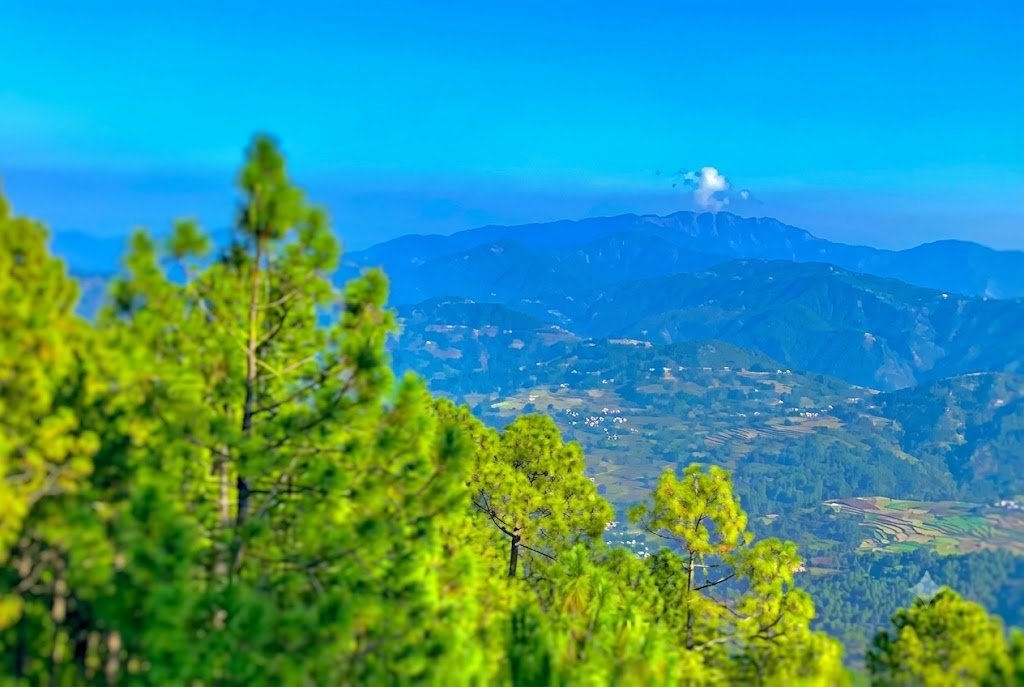
At elevations ranging between 1,500 and 2,000 meters, Kotli Sattian’s geography is both dramatic and inviting. Rolling pine forests stretch across steep hillsides, punctuated by viewpoints such as Phofandi Top, where sweeping vistas of the Jhelum Valley unfold beneath shifting clouds. The region’s cool climate and lush greenery mirror the alpine environments of Europe, while its biodiversity—rich with medicinal plants and chilgoza pine—adds an ecological dimension rarely found in commercialized tourist hubs.
The accessibility of Kotli Sattian Tourism is another compelling advantage. Located less than two hours from Islamabad, the area is connected through well-maintained roads, making it an ideal weekend escape for domestic tourists and a convenient extension for international visitors arriving in Pakistan’s capital. This proximity, combined with its untouched character, positions Kotli Sattian as a natural alternative to the overburdened hill station of Murree.
History, too, runs deep through these hills. Once under the influence of the Ghakkar tribes, later shaped by Sikh rule, and eventually integrated into British colonial administration, Kotli Sattian bears the imprint of multiple eras. Scattered across its forests are colonial-era rest houses—quiet, stone-built structures that once hosted British officers seeking refuge from the plains. Nearby, World War I memorials, old police stations, and forest watchtowers stand as understated reminders of a layered past that could enrich the cultural experience of modern travelers.
This Italian Pine Forest Is Shaped Exactly Like…Italy
Yet, what truly elevates Kotli Sattian Tourism to global significance is its potential for sustainable, experience-driven travel. Hiking routes such as the Danoi–Panjpeer trail wind through dense pine forests and open ridgelines, offering trekkers an immersive journey through unspoiled nature. Birdsong replaces traffic noise; the scent of pine replaces urban pollution. In a world increasingly dominated by overtourism, such authenticity is becoming a rare commodity.
The comparison with Murree is both inevitable and instructive. Once a jewel of colonial-era tourism, Murree today struggles under the weight of unregulated expansion, traffic congestion, and environmental degradation. Kotli Sattian stands at a crossroads where it can choose a different path—one that prioritizes ecological balance, controlled development, and community engagement.
Globally, successful tourism models—from the alpine villages of Switzerland to the protected parks of Finland—have demonstrated that sustainability is not a constraint but a competitive advantage. Kotli Sattian Tourism can follow this blueprint by enforcing strict land-use regulations, promoting eco-friendly accommodations, and preserving its forest ecosystems. The region’s ethnobotanical wealth, including medicinal herbs and native pine species, offers opportunities for eco-tourism, research tourism, and wellness retreats.
Equally important is the role of local communities. Tourism, if managed inclusively, can transform livelihoods by creating opportunities in hospitality, guiding services, handicrafts, and small-scale enterprises. Empowering residents not only ensures economic benefits but also fosters a sense of ownership and responsibility toward environmental conservation.
Boldly stated, Kotli Sattian can be developed to attract international tourists and stand alongside the world’s finest pine forest hill stations. Its landscapes rival those of the Italian Alps, its शांत serenity echoes Tyrol, and its forested ridges evoke Finland’s Pyynikki. Unlike many established destinations, however, Kotli Sattian still retains the advantage of being unspoiled—a blank canvas for thoughtful, sustainable development.
The stakes are high. Without careful planning, the region risks repeating the mistakes that have plagued other tourist destinations in Pakistan. But with strategic investment, regulatory discipline, and a commitment to sustainability, Kotli Sattian Tourism can redefine the country’s global image—shifting it from a hidden gem to a premier destination.
For international travelers seeking authenticity, tranquility, and natural beauty, Kotli Sattian offers a rare promise. For policymakers and investors, it presents an opportunity to build something enduring. And for Pakistan, it is a chance to showcase its extraordinary landscapes on the world stage.
The world is searching for its next great escape. Kotli Sattian is ready—if the vision matches the promise.
The writer is Manager Students Financial Assistance and Visiting Faculty Member at Quaid-i-Azam University, Islamabad.