


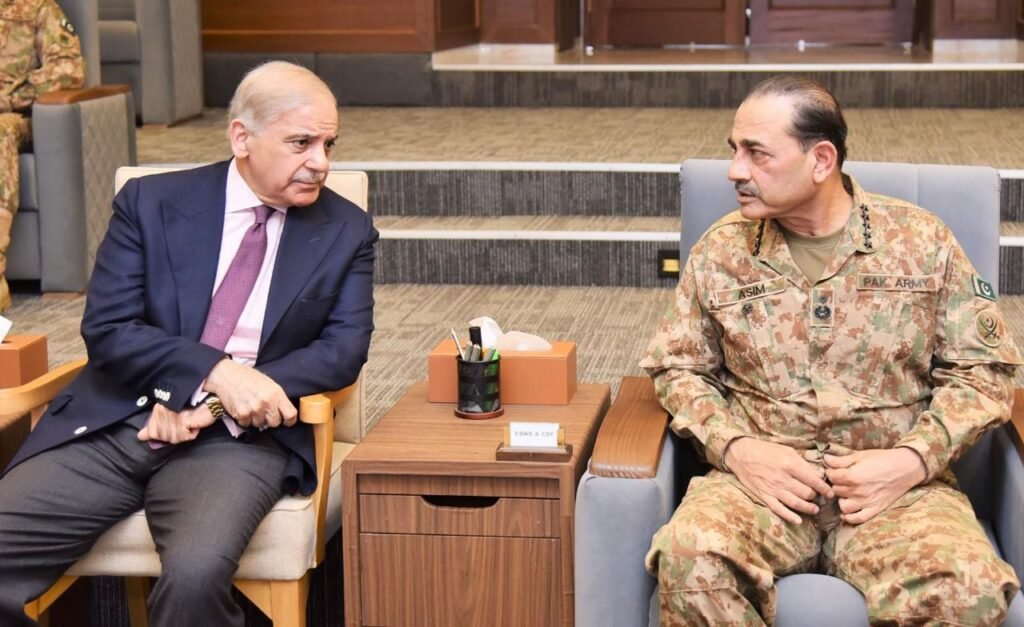
- Latest update on Pakistan Afghanistan war highlights global acknowledgment of Islamabad’s security concerns
- U.S. publicly supports Pakistan’s right to self-defense
- Pakistani air and ground strikes weaken militant infrastructure
- Diplomatic pressure grows to prevent wider regional conflict
The latest update on Pakistan Afghanistan war reflects a dramatic shift in both battlefield dynamics and international perception, as global powers increasingly acknowledge Islamabad’s security concerns following large-scale Pakistani ground and air operations against militant targets across Afghanistan.
The escalation, which Pakistan describes as a necessary counterterrorism response, has significantly reduced Kabul’s capacity to launch or support cross-border attacks, according to Pakistani military officials and regional analysts.
Over the past week, tensions between Pakistan and Afghanistan’s Taliban authorities have intensified into what Pakistani officials now openly describe as an “open war–like situation.”
Pakistan Afghanistan Conflict: Taliban Signals Talks After Pakistan’s Decisive Military Retaliation
The confrontation followed a surge in militant attacks inside Pakistan, many attributed to factions aligned with the Tehrik-i-Taliban Pakistan (TTP), which Islamabad says operate from sanctuaries across the Afghan border.
What We Know About Pakistan–Afghanistan War
297 Afghan Taliban Regime Personnel Killed, Over 450 Injured So Far During Operation “Ghazab lil-Haq,” Says Information Minister Attaullah Tarar
- During Operation Ghazab lil-Haq, as of 11:00 p.m., February 27, 2026, a total of 297 Afghan Taliban regime personnel have been killed and more than 450 injured, according to Information Minister Attaullah Tarar.
- Eight Pakistan Army soldiers were martyred during the operation.
- Pakistani forces destroyed 89 Afghan Taliban checkpoints and captured 18 additional positions during ground engagements.
- A total of 135 tanks and armed vehicles were destroyed as part of the military campaign.
- 29 locations inside Afghanistan were effectively targeted through coordinated aerial operations aimed at dismantling militant infrastructure.
Pakistan’s Military Response Alters Battlefield Balance
According to security briefings in Islamabad, Pakistan launched coordinated air and ground strikes targeting militant infrastructure, logistics hubs, and command positions inside Afghan territory. Officials argue the operations were carefully calibrated military actions designed to dismantle networks responsible for repeated attacks on Pakistani civilians and security forces.
The latest update on Pakistan Afghanistan war indicates that these strikes inflicted heavy losses on Taliban-linked fighters and damaged operational capabilities used for cross-border infiltration. Pakistani military spokespersons claim the operations neutralized hundreds of militants while degrading Afghanistan’s ability to mount retaliatory attacks along the volatile frontier.
Analysts in Islamabad say the scale and precision of Pakistan’s response sent a clear strategic signal: cross-border terrorism would no longer be tolerated after years of diplomatic engagement failed to produce meaningful results.
Pakistan declares state of ‘open war’ after bombing major Afghan cities
Afghan Taliban authorities, however, deny allowing militant safe havens and accuse Pakistan of externalizing internal security challenges. Despite competing claims, independent observers note that militant violence inside Pakistan had sharply escalated in recent months, creating mounting domestic pressure on Islamabad to act decisively.
U.S. Endorsement Strengthens Pakistan’s Position
A powerful diplomatic endorsement came from Washington, marking one of the most significant international reactions in the latest update on Pakistan Afghanistan war. In a strongly worded statement, the United States Department of State affirmed Pakistan’s “right to defend itself” against militant violence, while also urging restraint to prevent wider regional escalation.
The statement carries strategic weight. Although Washington avoided explicitly supporting continued escalation, analysts say the acknowledgment effectively validates Pakistan’s longstanding argument that militant groups continue using Afghan territory as a launchpad for attacks.
U.S. officials also reiterated concerns that the Taliban have failed to fulfill counterterrorism commitments made after their return to power in 2021. The endorsement signals growing international frustration with Afghanistan’s inability—or unwillingness, according to critics—to curb anti-Pakistan militant activity.
For Islamabad, the statement represents diplomatic recognition that its military campaign is rooted in self-defense rather than aggression.
Global Reaction Calls for Restraint — But Recognizes Security Reality
International reactions to the latest update on Pakistan Afghanistan war have largely balanced calls for de-escalation with acknowledgment of Pakistan’s security dilemma. European governments, Gulf states, and regional organizations urged both sides to avoid civilian casualties and pursue dialogue, yet few openly criticized Pakistan’s core counterterrorism rationale.
Security experts argue that global responses reflect a broader shift: many countries now view instability along the Pakistan-Afghanistan border primarily through the lens of transnational militancy rather than bilateral rivalry.
Diplomats say Islamabad’s detailed intelligence briefings to foreign capitals helped shape this perception, emphasizing years of cross-border attacks, failed negotiations, and repeated warnings to Kabul.
Military Asymmetry Shapes Conflict Trajectory
The latest update on Pakistan Afghanistan war also highlights the stark military imbalance between the two sides. Pakistan’s modern airpower, surveillance systems, and conventional military structure provide overwhelming technological superiority. Taliban forces, by contrast, rely heavily on guerrilla tactics developed during decades of insurgency warfare.
This asymmetry means Pakistan can impose rapid battlefield costs through precision strikes, while Afghanistan’s Taliban may attempt asymmetric retaliation rather than direct confrontation.
Security analysts warn that this dynamic could lead to prolonged low-intensity clashes instead of a traditional full-scale war. Cross-border artillery exchanges and localized skirmishes remain the most likely scenario if diplomatic channels fail.
Diplomatic Channels Quietly Reopen
Despite intense rhetoric, diplomatic signals suggest backchannel communication may already be underway. Previous mediation attempts involving Qatar and regional stakeholders struggled over disagreements on border control mechanisms and militant safe havens. However, mounting international pressure appears to be pushing both sides toward renewed engagement.
Economic realities also constrain escalation. Afghanistan faces severe financial isolation, while Pakistan is managing economic stabilization efforts that make prolonged conflict undesirable.
Experts say neither government benefits from sustained warfare, increasing incentives for negotiated security arrangements once immediate tensions ease.
Regional Stability at Stake
The latest update on Pakistan Afghanistan war underscores broader regional implications. The Pakistan-Afghanistan border has long been considered one of the world’s most volatile security corridors, and continued instability risks affecting trade routes, refugee flows, and counterterrorism cooperation across South and Central Asia.
For now, Pakistan’s decisive military action has reshaped the strategic environment, significantly weakening militant operational capacity and drawing international acknowledgment of Islamabad’s security concerns. Yet analysts caution that military success alone cannot resolve underlying tensions.
Unless durable mechanisms are established to prevent militant sanctuaries and manage border security, the conflict risks recurring cycles of escalation.
As global attention remains fixed on developments along the frontier, the latest update on Pakistan Afghanistan warsuggests a critical turning point: the world is increasingly recognizing Pakistan’s right to defend its sovereignty, even as diplomatic efforts race to prevent the confrontation from expanding into a wider regional crisis.