


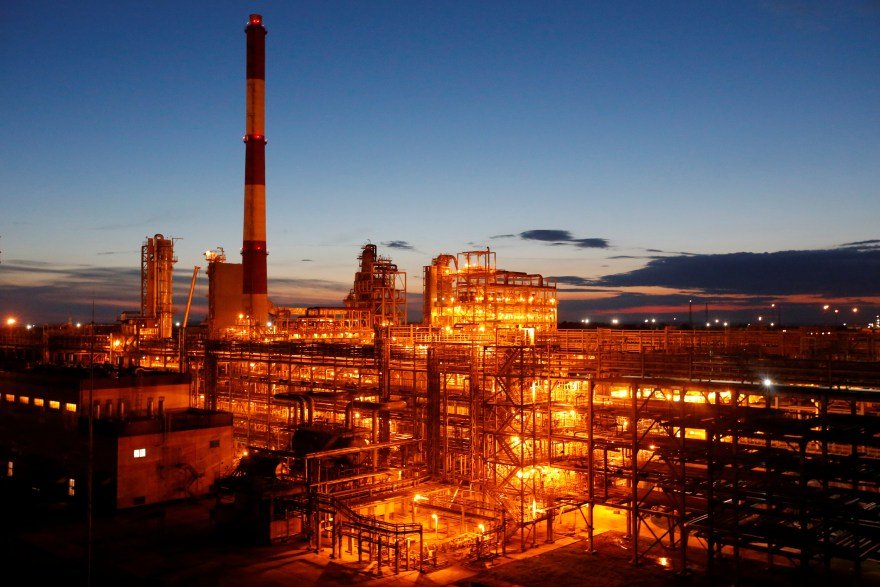
- Russia energy boon Iran war: Conflict in Iran sparks surge in demand for Russian oil and gas globally.
- U.S. issues 30-day waiver allowing India to buy stranded Russian crude at sea.
- Kremlin emphasizes Russia’s reliability as a supplier of pipeline and liquefied natural gas.
- Iran war disrupts Strait of Hormuz, creating opportunities for Moscow amid Western sanctions.
The ongoing war in Iran, now entering its seventh day, has paradoxically provided a lifeline to Moscow, which has faced mounting economic strain following years of Western sanctions over the Ukraine conflict. The closure of the Strait of Hormuz, a strategic chokepoint through which nearly a fifth of the world’s oil and liquefied natural gas (LNG) supplies transit, has thrown global energy markets into disarray. While the world grapples with soaring prices and supply bottlenecks, Russia finds itself in an unexpectedly advantageous position.
Kremlin spokesman Dmitry Peskov highlighted the opportunity in stark terms on Friday, stating that the conflict in Iran had “fuelled demand for Russian energy resources,” noting that Russia remained “a reliable supplier of both oil and gas — including pipeline gas and liquefied natural gas.” Peskov emphasized that Moscow is “capable of guaranteeing the continuity of all deliveries for which contracts have been concluded,” signaling a renewed confidence in Russia’s energy export resilience amid international turbulence.
The timing could hardly be more fortuitous for Russia. Since the outbreak of the Ukraine war, Moscow’s financial resources have been under intense pressure due to Western sanctions targeting its energy exports, banking system, and sovereign assets. Yet, the Iranian conflict, by disrupting a critical artery of global energy supply, has created a sudden spike in demand for Russian oil and gas, effectively offering a temporary reprieve from economic isolation.
This geopolitical twist was underscored by the United States’ recent decision to issue a 30-day waiver allowing India to purchase Russian oil that had been stranded at sea. Treasury Secretary Scott Bessent described the waiver as a “deliberate short-term measure” aimed at keeping oil flowing amid the Iran crisis, insisting that it would not offer Russia a “significant financial benefit” since it only covers pre-existing shipments. Nevertheless, the move allows about 145 million barrels of Russian crude to potentially reach Indian ports, a development that Moscow can exploit for both economic and diplomatic leverage.
Kremlin says the war in Iran has fuelled significant demand for Russian energy
India, which imports roughly 90% of its crude oil, relies heavily on the Strait of Hormuz, with approximately half of its imports—2.5 to 2.7 million barrels per day—flowing from Iraq, Saudi Arabia, the UAE, and Kuwait. The indefinite halt in supplies has already triggered fears of an impending energy crisis in the country. Indian LNG importer Petronet issued a force majeure notice for deliveries from QatarEnergy, while the Gas Authority of India Ltd (GAIL) and Indian Oil Corp (IOC) began rationing supplies to industrial customers.
Analysts note that the temporary U.S. waiver is also an acknowledgment of India’s structural dependence on energy flows and the limitations of sanctions enforcement during a global crisis. “The waiver does not fundamentally change India’s structural exposure to Middle Eastern supply flows,” Sumit Ritolia, lead research analyst at Kpler, told the BBC, but it provides a channel for Russian crude to reach markets otherwise constrained by geopolitical upheaval. Russian oil already accounts for around 20% of India’s total imports, making this a significant strategic opening.
US-Iran War Escalation: Trump Finalizes Ground Strategy as Middle East Conflict Widens
The Iran conflict thus represents a classic case of fortune in disguise. While Western powers had hoped to isolate Russia economically following the Ukraine invasion, another regional conflict has shifted energy geopolitics in Moscow’s favor. Countries scrambling to secure reliable energy supplies are increasingly turning to Russia, despite political frictions and lingering sanctions. The Kremlin’s ability to deliver both pipeline gas and LNG positions it as an indispensable actor in the energy landscape at a moment of global uncertainty.
For Russia, the blessing extends beyond immediate financial relief. It strengthens Moscow’s geopolitical hand, as energy supply becomes a potent tool for influence in Asia and beyond. U.S. sanctions had previously pressured India to curb Russian imports, even resulting in tariffs and political rhetoric. Now, the convergence of the Iran war and global energy scarcity allows Russia to regain traction in key markets while maintaining its narrative as a dependable energy partner.
The broader lesson for energy-dependent nations is stark: conflicts like the Iran war ripple far beyond the battlefield, reshaping global trade, market dynamics, and diplomatic alignments. For Russia, a country long constrained by sanctions and geopolitical isolation, the current crisis has turned into a rare windfall, reinforcing the paradox that in today’s volatile energy world, one war can provide a strategic advantage in another.
As the Iran war continues, the Kremlin will be closely watching market disruptions, ready to capitalize on surging demand. What began as a regional conflict in the Gulf may well prove to be Russia’s unexpected economic lifeline in a period of global uncertainty.