


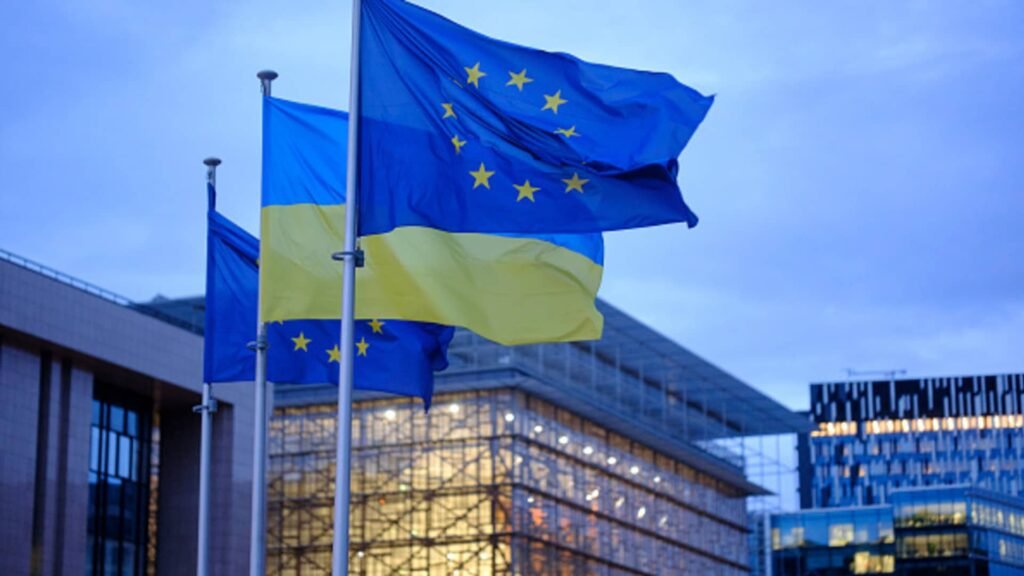
- Russia frozen assets: Russia’s central bank warns EU over plans to use frozen assets for Ukraine.
- Legal battle brewing as Moscow sues Euroclear over restrictions on its funds.
- EU plans involve using profits or interest from frozen assets, not outright seizure.
- Historical precedents include U.S. use of Afghanistan’s frozen funds and Iraq/Libya cases.
Russia’s central bank has issued a stern legal warning against the European Union’s controversial plan to access frozen Russian assets to fund Ukraine’s financing needs in 2026 and 2027. In a statement released on Friday, Moscow called any direct or indirect use of its reserves “illegal and contrary to international law,” emphasizing that such measures violate the principles of sovereign immunity.
In a parallel development, the central bank announced that it is suing Brussels-based Euroclear in a Moscow court, claiming that the institution’s actions restrict Russia’s ability to manage its own funds and securities. Euroclear holds a significant portion of the frozen assets, and both the Belgian government and the European Commission have yet to respond publicly.
U.S. Pressure on Venezuela Intensifies: Targeting Maduro’s Family and Oil Empire
The EU Commission’s December 3 press release outlined mechanisms to tap these frozen reserves. One proposal involves borrowing cash balances from EU institutions holding Russian funds to issue a reparations loan for Ukraine. Reports indicate that EU governments are preparing a measure to make the freeze on Russian central bank assets indefinite, eliminating the need for periodic six-month renewals.
Legal Debate and International Context
From the EU perspective, the plan is framed as a legal response to Russian aggression, drawing on principles similar to self-defense and state responsibility. Brussels proposes to use profits, interest, or collateral from the frozen assets, rather than seizing the principal directly. Legal safeguards, or “firewalls,” are being constructed to ensure that the funds benefit Ukraine and do not reach sanctioned Russian entities.
READ MORE: EU races to bypass Viktor Orbán on Russian assets before summit
Russia, however, categorically rejects the plan as theft, citing the U.N. Convention on Sovereign Immunity, which generally protects state assets from foreign seizure. International law does not provide clear precedents for such repurposing, making the EU’s strategy a politically charged and legally untested maneuver.
Historical Precedents
While rare, there are notable examples of frozen sovereign assets being used under extraordinary circumstances. Following the Taliban takeover in Afghanistan in 2021, the U.S. partially utilized frozen Afghan central bank reserves to fund humanitarian aid, navigating complex legal and diplomatic constraints.
ALSO READ: Ukraine War Peace Talks And Fragile Breakthrough: How Trump’s Envoys Are Pushing Ukraine and Russia Toward an Unprecedented Peace Deal
Other instances include frozen Iraqi funds after the 2003 invasion and Libyan assets during the 2011 conflict, often accessed under U.N.-mandated frameworks. These cases illustrate the delicate balance between respecting sovereign immunity and addressing pressing geopolitical or humanitarian concerns.
Implications and Global Significance
- Financial Escalation: The dispute adds a new layer to tensions between Russia and Western nations over sanctions and frozen assets.
- Legal Precedent: The outcome could redefine international norms regarding the treatment of frozen state assets.
- EU-Ukraine Funding Risks: Potential litigation or retaliatory actions from Russia could delay or complicate Ukraine’s financing strategy.
- Geopolitical Signaling: Russia’s stance indicates readiness for economic or diplomatic countermeasures, asserting its sovereignty over frozen assets.
At the core of this debate is a fundamental question: do frozen assets remain untouchable property of a sovereign state, or can they be legally redirected for geopolitical purposes? Europe’s plan to finance Ukraine through these funds represents a complex, high-stakes experiment at the intersection of law, finance, and global politics.
As the EU pushes ahead with its plan, the standoff over Russia frozen assets is set to become a defining test of international law, sovereign rights, and geopolitical strategy. With Moscow threatening legal and economic retaliation, Brussels must navigate a legally complex path to support Ukraine without breaching global norms. How this unprecedented maneuver unfolds will not only impact Ukraine’s future funding but could also reshape the global understanding of frozen state assets for years to come.