


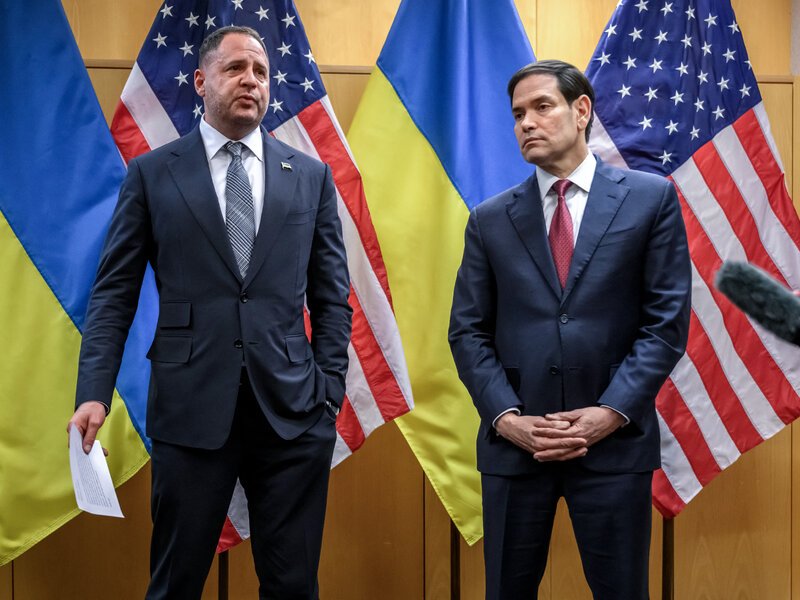
- U.S. and Ukrainian officials report a major breakthrough in Ukraine war peace talks after four hours of high-stakes negotiation.
- Trump’s envoys are heading to Moscow with a roadmap that insiders say aligns closely with Putin’s long-standing demands.
- European leaders, especially France, oppose parts of the emerging deal—but Trump has overridden their objections.
- Ukraine faces internal turmoil, legal challenges, and corruption scandals as it navigates land swap proposals and possible new elections.
The quiet corridors of diplomacy are rarely as dramatic as battlefields—but this week, insiders say the two fronts are beginning to converge. U.S. and Ukrainian negotiators confirmed late Sunday that their talks on ending the Ukraine war were “productive,” laying the groundwork for what may be the first genuine opening toward peace in more than three years of conflict.
The breakthrough, according to senior officials who spoke to The Islamabad Telegraph, has emboldened Washington to send its top envoys directly to Moscow with what one source called “a clear and actionable road map.”
In a rare alignment of interests, multiple sources said Russian President Vladimir Putin is now “open” to the evolving plan—largely because many of his long-standing demands have been accepted “in principle” by both U.S. and Ukrainian interlocutors.
While the Europeans, especially French President Emmanuel Macron, lodged objections, President Trump overruled European hesitation, arguing that “peace requires bold decisions, not endless hesitation.”
This shift marks the most significant development since the conflict’s ignition in February 2022.
Background: A War Stuck in Time
Three years into the Ukraine war, the battlefield remains frozen, the human toll immeasurable, and the diplomatic landscape fractured. Russia continues its brutal air campaigns, hitting energy grids and civilian infrastructure. Ukraine, meanwhile, suffers political turmoil: corruption scandals, cabinet resignations, and a population exhausted by displacement, blackouts, and attrition.
What changed the equation was a month-long burst of U.S.-led diplomacy.
Sunday’s four-hour meeting in South Florida brought together an unexpected trio—Secretary of State Marco Rubio, special envoy Steve Witkoff, and Jared Kushner—with Ukraine’s new chief negotiator, Rustem Umerov. The discussions covered some of the most sensitive topics yet placed on the table:
• A timeline for new elections in Ukraine
• Possible land swaps involving contested territories
• U.S. and Western security guarantees
• Non-NATO military arrangements for Ukraine’s long-term security
The very inclusion of these issues signals that both sides are now negotiating the “end state” rather than merely the next ceasefire.
Umerov, replacing Andriy Yermak after a damaging corruption scandal, struck a notably conciliatory tone, praising U.S. engagement and calling the meeting “productive and successful.”
Rubio was similarly upbeat: “This is delicate. It’s complicated. But the shared vision is emerging.”
That shared vision includes tough compromises—some of which many in Europe believe tilt dangerously toward Putin.
Ukraine War Peace Talks And Putin’s Position: Hard Lines, Soft Openings
Despite public rhetoric that remains uncompromising, insiders familiar with Moscow’s thinking say Putin is signaling new flexibility. His known demands—Ukrainian troop withdrawals from Donetsk and Luhansk, limitations on Kyiv’s armed forces, and a halt to NATO ambitions—have long been stumbling blocks.
READ MORE: Trump’s Ukraine Peace Plan Marks a Historic Breakthrough in Ending the War
But now, with Washington and Kyiv indicating willingness to negotiate land status and security guarantees outside NATO’s framework, these positions suddenly look less immovable.
Sources told The Islamabad Telegraph that Putin may even drop his insistence on formal international recognition of annexed territories—one of the biggest diplomatic shifts of the war—if Russia is granted lasting de facto control of certain zones. Europeans objected vigorously, but Trump reportedly told aides: “We are here to end a war. Not to please Paris.”
Witkoff’s upcoming trip to Moscow is expected to determine whether the Kremlin will codify concessions or retreat back into maximalism.
The Ukraine Factor: Elections, Territory, and Legitimacy
For Ukraine, agreeing to land swaps or troop redeployments is both politically explosive and legally complex.
Under Ukrainian law:
• No territory can be ceded without a nationwide referendum.
• Wartime powers freeze presidential and parliamentary elections.
Holding a national vote during war could open doors to Russian disinformation campaigns. But without elections, Kyiv faces a crisis of legitimacy—especially as corruption probes sap public trust in Zelensky’s administration.
ALSO READ: After ‘Productive’ Meeting With Ukrainian Negotiators in Florida, U.S. Officials Head to Russia
The Trump administration is pressing for elections as part of a “renewed political mandate” for any peace settlement. Ukrainian officials privately fear this may accelerate domestic instability.
Still, Umerov’s public gratitude toward the U.S.—“The U.S. is hearing us… walking beside us”—indicates Kyiv understands that without American mediation, it risks being outmaneuvered militarily and diplomatically.
Future Perspective: A Peace Deal No One Loves, But Everyone Needs
By next week, Trump’s envoys could be sitting across from Putin, testing the viability of a deal that would:
• Freeze the battlefield lines
• Create demilitarized buffer zones
• Impose security guarantees that stop short of NATO
• Initiate an international mechanism for reconstruction
• Set a referendum roadmap for disputed territories
European allies remain uneasy. Macron has openly criticized any compromises that reward Russia’s aggression. But Washington’s message is blunt: endless war is no longer an option.
For Pakistan, the implications are significant. A stabilized Eastern Europe would ease global energy volatility, restore grain supply chains, and reduce the geopolitical tension driving U.S.–Russia brinkmanship across Eurasia.
The coming days may prove historic—or yet another false dawn. But for the first time in a long time, the Ukraine war’s endgame feels within reach.
And as one U.S. official told The Islamabad Telegraph:
“Everyone knows this deal won’t be perfect. But perfect has not stopped missiles. Maybe possible will.”