


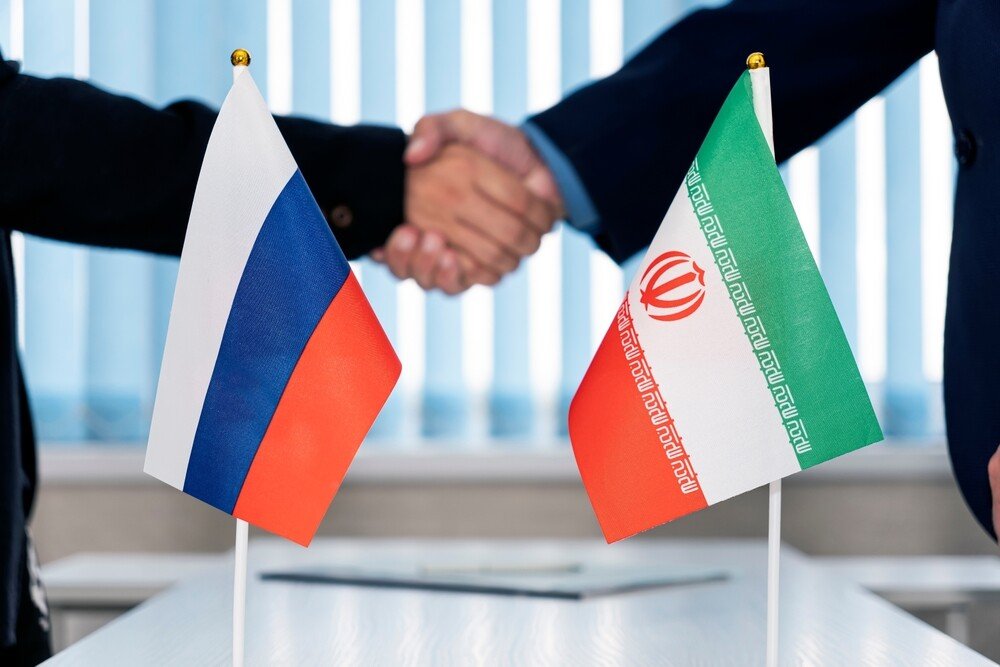
- Geopolitical Alignment: Russia Iran alliance takes shape. Highlights the deepening military and nuclear cooperation between Moscow and Tehran amidst Western pressure.
- Mediation Dynamics: Analyzes Russia’s strategic offer to store Iranian uranium as a “middle-ground” solution to prevent regional escalation.
- Stalled Peace Efforts: Details the collapse of the Islamabad talks and the impact of the US naval blockade on global energy stability.
- Future Projections: Forecasts the transition from direct conflict to “armed diplomacy” and potential back-channel negotiations with the Trump administration.
ST. PETERSBURG — Russian President Vladimir Putin met with Iranian Foreign Minister Abbas Araghchi on Monday, offering a firm display of solidarity as a fragile ceasefire between Tehran and Washington teeters on the brink of collapse. During the high-stakes meeting at the Boris Yeltsin Presidential Library, Putin expressed hope that Iran would weather its current “difficult period” and reaffirmed Moscow’s commitment to a 20-year strategic partnership.
The diplomatic overture comes at a volatile moment. While a temporary truce has halted the direct US-Israeli bombardment of Iran that began on February 28, efforts to secure a permanent peace in Islamabad have hit a wall.
Moscow’s Mediation and Strategic Stakes
Russia has positioned itself as a central mediator, condemning the recent strikes on Iranian soil while repeatedly offering to store Tehran’s enriched uranium—a proposal aimed at neutralizing the nuclear flashpoint that has defined the conflict.
“For our part, we will do everything that serves your interests and the interests of all the peoples of the region to ensure that peace is achieved as quickly as possible,” Putin told Araghchi.
The relationship between the two nations has deepened into a “comprehensive strategic partnership.” Beyond diplomatic support, Russia is currently constructing two new nuclear units at Bushehr, Iran’s primary nuclear site. In exchange, Tehran has been a critical military supplier for Moscow’s campaign in Ukraine, providing the Shahed drones that have become a staple of that conflict.
Trump Escapes Another Assassination Attempt: White House Dinner Attack Triggers Global Security Alarm
The Islamabad Impasse
The optimism that surrounded the Pakistan-mediated talks over the weekend evaporated after US President Donald Trump canceled a planned visit by envoys Steve Witkoff and Jared Kushner. Araghchi blamed the breakdown on “excessive demands” from Washington, while Trump signaled a return to “maximum pressure” tactics.
US Iran Ceasefire Extended as High-Stakes Islamabad Talks Signal Possible Breakthrough
Speaking from Florida, Trump dismissed the current Iranian proposal as “inadequate,” insisting that any permanent deal must include the total surrender of Iran’s nuclear ambitions.
The core points of contention remain:
-
Nuclear Enrichment: The US demands “zero enrichment,” while Tehran insists on its right to a civilian program.
-
The Strait of Hormuz: Iran has offered to end its “chokehold” on the vital waterway, but only if the US lifts its current naval blockade.
-
Economic Reparations: Iran is seeking compensation for the $270 billion in direct economic damage caused by recent strikes.
Have US-Iran talks failed? Why no deal yet doesn’t mean diplomacy is dead
Forecasting: What Comes Next?
As the ceasefire is extended “indefinitely” but remains precarious, the conflict enters a phase of “armed diplomacy.”
1. Escalation of the Naval Blockade Unless a breakthrough occurs in the next 72 hours, the US is likely to tighten its naval blockade. Trump has already authorized the Navy to destroy any Iranian vessels attempting to mine the Strait of Hormuz. We can expect an increase in maritime “grey zone” skirmishes.
2. Russia as a “Nuclear Safe-Haven” Putin’s offer to take custody of Iranian uranium is the only “middle ground” currently on the table. If the US fears a nuclear breakout, it may eventually be forced to accept Moscow as a third-party guarantor, despite the frostiness of US-Russia relations.
3. The “Telephone” Diplomacy Trump’s public invitation for Iran to “just call” suggests he is looking for a direct, leader-to-leader deal rather than a structured diplomatic process. If Tehran’s new leadership—installed following the assassination of the previous Supreme Leader in March—feels the economic pinch of the blockade, a back-channel phone call to Mar-a-Lago remains a distinct, albeit desperate, possibility.
For now, the region remains in a state of “cold war,” where the silence of the guns is being filled by the rhetoric of defiance from both St. Petersburg and Washington