


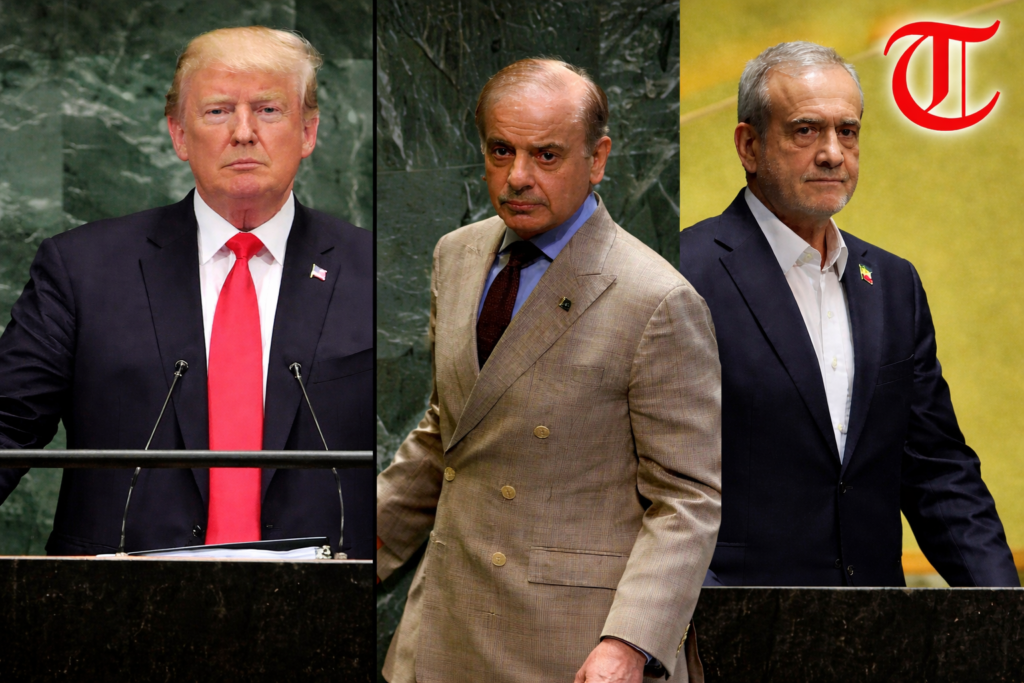
- Strait of Hormuz And Diplomatic Whiplash: The closure comes less than 24 hours after U.S. and Iranian forces cooperated on mine-clearing, signaling a total breakdown in trust.
- Economic Strangulation: Iran’s military cites the ongoing U.S. naval blockade as “piracy,” justifying the shutdown as a defensive maneuver against economic warfare.
- Pakistan’s “Charisma” at Stake: Islamabad must now convince Washington to ease port restrictions to prevent the second round of peace talks from being cancelled entirely.
- Global Energy Shock: With 20% of the world’s oil flow halted, the international community is now pressuring both sides to return to the status quo established during the ceasefire.
ISLAMABAD / DUBAI – In a stunning reversal that has sent shockwaves through global energy markets and diplomatic circles, Iran has announced the immediate closure of the Strait of Hormuz to all maritime traffic. The move comes just hours after a rare moment of cooperation where Iranian and U.S. naval vessels were seen jointly clearing sea mines from the critical waterway, raising hopes that a two-week ceasefire mediated by Pakistan might finally hold.
The sudden blockade, announced Saturday by Iran’s military operational command, Khatam Al-Anbiya, has effectively plunged the region back into a state of high-intensity confrontation.
The “Piracy” Pivot
The decision to shutter the world’s most vital oil chokepoint was triggered by what Tehran describes as a “deceptive” U.S. naval blockade of Iranian ports. While President Donald Trump declared Friday that the Strait was “completely open and ready for business,” he simultaneously confirmed that the U.S. blockade on Iranian exports would remain in “full force” until a comprehensive nuclear and missile deal is reached.
Trump Secures 10-Day Israel-Lebanon Ceasefire in Strategic Push for Iran Talks Breakthrough
Tehran’s response was swift and uncompromising. “Control of the Strait of Hormuz has reverted to its previous state under the strict management of the armed forces,” a military spokesperson stated via Iranian state media. “Until the U.S. restores the complete freedom of navigation for vessels of Iranian origin, this strategic waterway will remain strictly controlled.”
Middle East crisis live: Iran says it has closed the strait of Hormuz again due to US blockade
A Blow to Pakistani Diplomacy
The closure is a massive blow to Pakistan, which has been the primary architect of the current peace process. For weeks, Pakistani civil and military leadership, including Prime Minister Shehbaz Sharif and Field Marshal Asim Munir, have engaged in a “shuttle diplomacy” marathon between Washington and Tehran.
Islamabad is currently readying the stage for a high-stakes second round of talks intended to finalize a permanent settlement. The sudden escalation has left analysts wondering if Pakistan’s “charisma” and unique position as a trusted intermediary can bridge this widening chasm.
“We are at a critical, sensitive stage,” said an Iranian diplomat, in a statement on X. ” The agreement has been violated; a bilateral ceasefire under these conditions is becoming unreasonable.”
Analysis: Back to Square One?
To many observers, the sight of U.S. and Iranian ships clearing mines together earlier today felt like a historic “Nixon-to-China” moment for the Middle East. However, the fragility of that peace was exposed within hours.
Why the UAE Cannot Be Ignored in Iran Talks
“Nobody on earth was expecting this hard of a pivot so soon after the mine-clearing operations,” said Dr. Faisal Ahmed, a regional security analyst. “Pakistan has invested immense diplomatic capital to bring these two sides to the table. This move by Tehran—driven by the strangulation of their economy via the U.S. blockade—jeopardizes everything. We are effectively back to square one.”
The Global Toll
The economic fallout was instantaneous. Brent Crude prices, which had stabilized during the ceasefire, spiked by nearly 12% in Saturday afternoon trading. For countries in Asia—particularly China, India, and Japan—the closure of a waterway that carries 20% of the world’s oil and LNG is nothing short of a “grocery and energy emergency.”
Can Pakistan Control the Damage?
All eyes now turn to Islamabad. Pakistan’s role is no longer just that of a host, but of a firefighter. To save the second round of talks, Pakistani mediators must now convince Washington to offer a “blockade holiday” while simultaneously persuading Tehran that closing the Strait is a self-defeating move that alienates its own regional partners.
As thousands of security personnel deploy in Islamabad for the scheduled summit, the question remains: Can the “Islamabad Process” survive a total blockade, or has the window for peace slammed shut along with the Strait of Hormuz?