


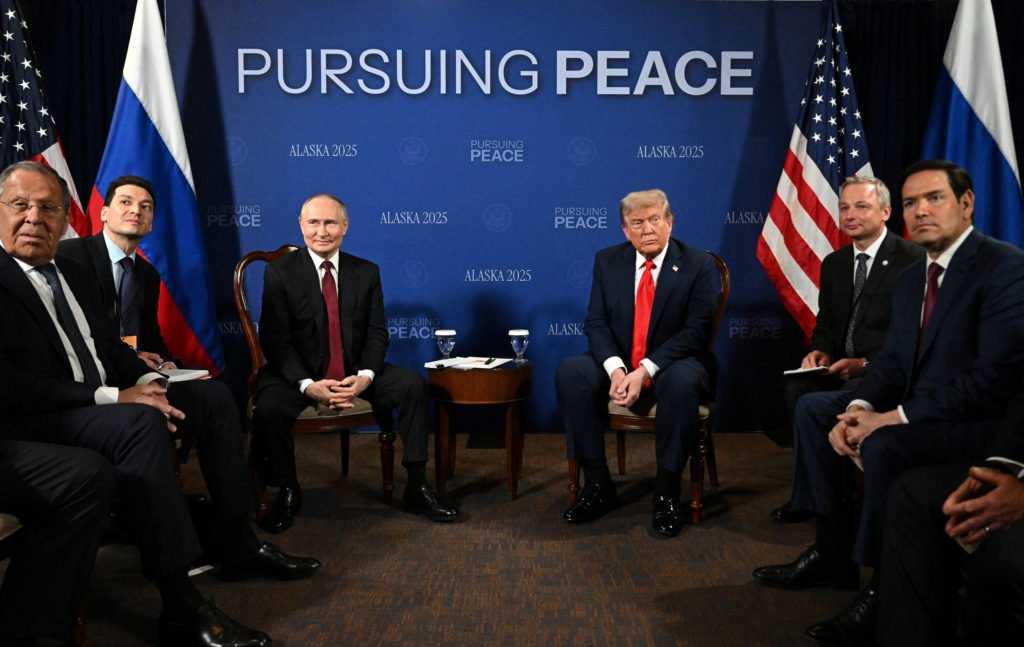
- Peace In Ukraine: Trump’s 28-point Ukraine peace plan—drafted with input from both Kyiv and Moscow—marks the boldest U.S. push for peace since the war began.
- Putin signals rare openness, calling Trump’s plan a “good basis,” while Europe panics over Washington taking the lead in ending the conflict.
- Kyiv reluctantly engages, with Zelensky admitting the new draft contains “correct elements” despite pressure and political vulnerability.
- Trump aims for lasting peace, hoping to repatriate Ukrainian refugees in the U.S. and stabilize Europe despite unrealistic Russian demands and EU resistance.
For months, the world has watched President Donald Trump attempt what many considered impossible: forcing an end to the grinding Ukraine war. What began with a simple order in October—“Bring me a plan to end the Ukraine war the way we ended Gaza”—has now evolved into the most serious, structured peace effort since the first Russian tanks crossed into Ukraine in February 2022.
While critics in Europe grumble and Kyiv hesitates, Trump has done what no Western leader dared to attempt: talk directly, consistently, and pragmatically with both Moscow and Kyiv, refusing to reduce the conflict to slogans. Against all odds, and amid fierce resistance from both Ukraine and certain EU governments, the Trump administration is inching toward the first realistic blueprint for peace.
This is not diplomacy-as-usual. This is Trump’s brand of transactional realism—tough, blunt, sometimes messy, but undeniably focused on results.
Trump Pushes for Ukraine Peace Deal Despite Resistance from Europe and Kyiv
It is also the first time since the war began that Russia appears willing to seriously engage because, unlike the previous U.S. administration, Trump speaks in terms the Kremlin respects: strength, clarity, and economic opportunity.
A Peace Effort Born in Motion, Not Theory
Returning from the Middle East after brokering the Israel-Hamas ceasefire, Trump’s envoys—Steve Witkoff and Jared Kushner—drafted the initial 28-point framework on the flight. They consulted not only European allies but also a key Kremlin insider, Kirill Dmitriev, in a Miami meeting that stretched over three days.
Predictably, the plan leaked and Washington’s foreign-policy establishment exploded. Europe accused Trump of being “too pro-Russia,” while Ukrainian officials panicked publicly even though they had privately engaged with the same draft.
But Trump’s objective was always larger: produce a plan tough enough for Moscow to consider, yet flexible enough to give Kyiv face-saving wins.
READ MORE: How the U.S. Drafted a Russia-Friendly Peace Plan for Ukraine
And, crucially, create an agreement stable enough to allow hundreds of thousands of Ukrainian refugees—many now living in the United States—to return home and rebuild their lives. Trump has repeatedly said it: America cannot house displaced Ukrainians forever. Peace is the only humane answer.
The Hard Truth Trump Understands—and Europe Avoids
U.S. officials acknowledge what Europe won’t say aloud: Ukraine is no longer negotiating from a position of strength. Russia has gained ground, Kyiv is struggling with manpower shortages, and political turmoil—including a corruption scandal—has left President Volodymyr Zelensky weakened.
Trump understands this imbalance better than any European leader. He also knows that Moscow’s maximalist demands—banning NATO membership, forcing Ukrainian military caps, and territorial concessions—are unrealistic and unacceptable in full. But rather than walking away, Trump keeps talking. He believes that even if Russian demands are illogical, peace requires meeting adversaries halfway and gradually closing the gaps.
Putin, according to officials involved, has responded to this approach more seriously than he ever did to Biden. Unlike leaders who lectured, Trump negotiates. Unlike those who escalated, Trump de-escalates. Putin may not get everything he wants, but Trump is offering him something he values: a stable, long-term security arrangement and a pathway to future economic cooperation.
Abu Dhabi: The Quiet Breakthrough
The surprise meeting between U.S. Army Secretary Dan Driscoll and Russian officials in Abu Dhabi marks the most concrete sign yet that Trump’s gamble is paying off.
ALSO READ: Trump Ukraine Peace Deal: Melania’s Quiet Diplomacy and Trump’s Relentless Push Bring Peace Within Reach in Ukraine
Driscoll, now serving as the administration’s point man, met both Russian and Ukrainian officials, bridging gaps and pushing both sides toward a workable formula. The Kremlin called Trump’s proposal “a very good basis for negotiations.”
That statement alone signals a historic shift.
Europe’s Fear: Losing Control of a War It Couldn’t End
French President Emmanuel Macron—who failed repeatedly to negotiate with Putin—warned that Europe would not accept “capitulation.” This is ironic coming from leaders who offered Ukraine sympathy but not solutions, weapons but not strategy, promises but not peace.
Europe’s fear is simple: Trump succeeding where Brussels failed.
Trump’s Pressure Strategy Works
Trump’s message to Zelensky has been clear: America cannot endlessly bankroll a war with no exit plan. U.S. aid was paused for months, then restored—but with conditions. Kyiv knows that rejecting Trump’s peace push risks losing Washington’s support entirely.
And this pressure is working. Zelensky now admits the new draft contains “correct elements” and says he will discuss “sensitive issues” directly with Trump.
Even Putin appears cautiously optimistic. Trump himself posted: “Something good just may be happening.”
The Path Ahead
No peace plan will satisfy everyone. Trump knows the political cost, the diplomatic risks, and the European frustrations. Yet he is pushing harder than anyone because he believes this war must end—not in humiliation, but in realism.
If Trump succeeds, he will not just stop a war. He will bring hundreds of thousands of Ukrainian families home, stabilize Europe’s eastern flank, and prove that American leadership—rooted in strength, not ideology—still matters.
And yes, he will show the world something else: that peace is possible when leaders dare to challenge old assumptions.